
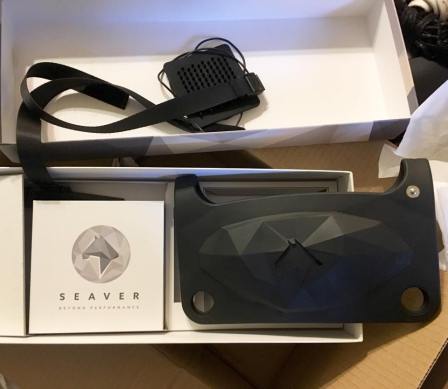
As I mentioned last week, my Seaver girth sleeve finally arrived last Wednesday. I originally backed this Kickstarter in summer 2016, so I was really excited to finally get it and try it out. Of course, I left for the horse show the following day, so all I really had time to do last week was read the instructions, charge it, and make sure it synced with the phone app.
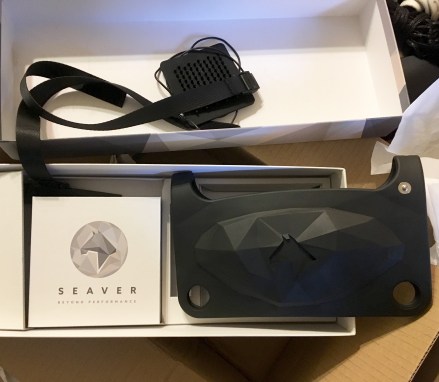
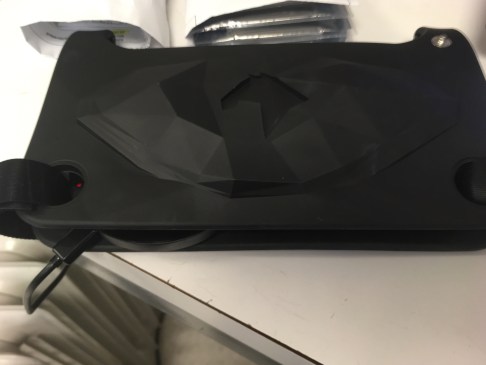
I had some issues right off the bat. First of all, the instructions suck. I tried to think of a nicer, more polite term, but there’s no sugar-coating it, they SUCK. It basically shows you how to take all the measurements of your horse so that your data is accurate (although it doesn’t tell you where to input said measurements), where to put the “wither” electrode (but not HOW), and where to put the charger to charge it. Which… the position they tell you to put the sleeve in, in order to charge it, has the wireless charger itself sitting upside down, so that you can’t see the indicator light to tell whether or not it’s actually charging. That’s… not well thought out. I flipped mine around so that I could sandwich the charger inside of it with the edge poking out through the hole just enough to actually SEE the indicator light.
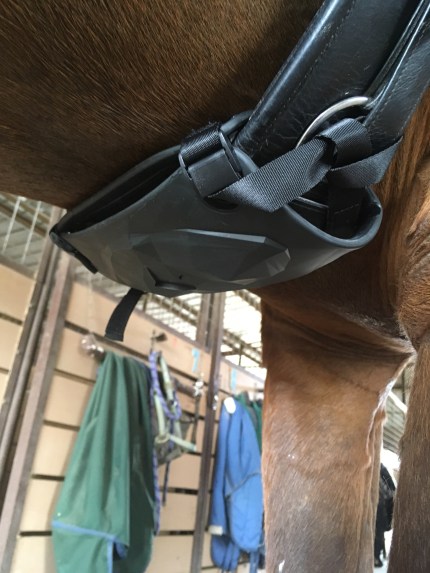
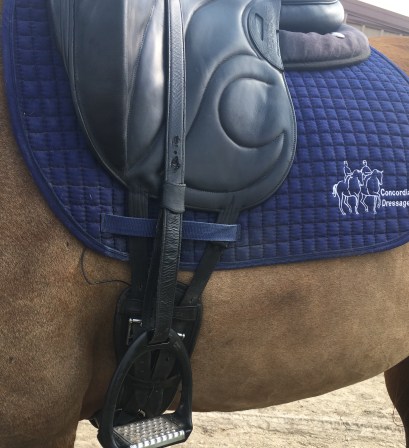
It also came with a bunch of straps but no actual directions telling you what they were for, or how to attach the sleeve to the girth. I had to go on their facebook and look at pictures to make sure I was doing it right. They sent two kinds of straps – little velcro loops (supposedly meant for thinner girths) and longer clamping straps (supposedly meant for belly guard type girths where you need a longer strap). I could not get those stupid little velcro loops very tight at all, they were cumbersome to try to put on and the sleeve didn’t seem very stable, so I switched to the straps. Their longer length means that there’s a lot of excess, but at least I could get it snug on the girth.
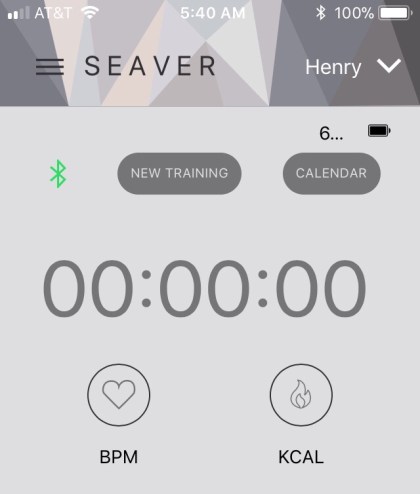
I also noticed on the first charge that the app is clearly still buggy. It was truncating my battery percentage, and literally none of the little help or info buttons in the app actually have any information in them. So like… good luck!
Just getting that thing charged and attached to the girth was a little frustrating in itself, but I figured it out and all seemed fine. I must not have been the only one with these issues, because a couple days later Seaver sent out an email with a lot more instructions and photos.
I used it for the first time on Monday, when I took Henry out for just an easy hack in the field. I was a little concerned about the wither electrode and whether or not that would bother him, but no issues with that so far. It’s pretty soft and flexible.
The first day’s data wasn’t much, we just walked. I did have to laugh at the heart rate graph… it showed a lovely spike at the beginning when Henry spooked at a round bale.
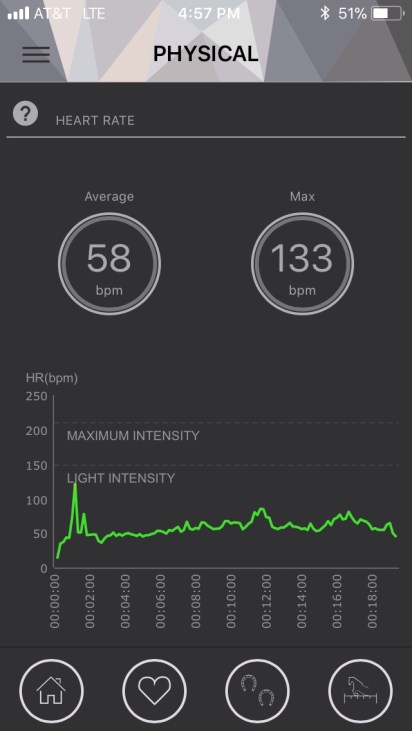
But heart rate data was the only thing it gave me. For everything else it gave me an error message about “abnormal data”. I kinda just shrugged it off, thinking maybe that since we just walked around a field, there wasn’t much data for it to give me.
The next day we did a w/t/c hack out on the hills, still short and sweet, but definitely more data for the sleeve to gather. This time I got heart rate data and gait symmetry, but nothing else. Just the same error message.
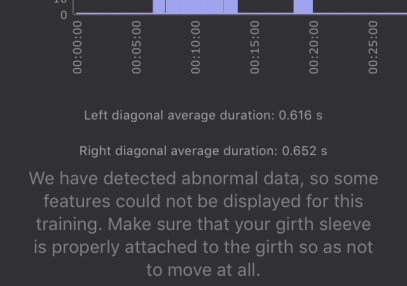
That was annoying, but I figured maybe I goofed somehow and didn’t have my girth or the sleeve tight enough, or maybe my dressage girth is too narrow so the sleeve doesn’t sit correctly on it. So yesterday I switched to my jump saddle with it’s wider girth, made 100% sure I had that thing on there super securely, made 100% my girth was tight, used conductivity gel on both electrodes, and did another hack followed by a handful of jumps. Now it should REALLY have plenty of data, right?
Sigh. Nope. Same message.
Ok, so at this point I admit defeat on my own “figure it out myself” skills. I have no idea what I’m doing wrong here. I’ve sent Seaver a Dear God Please Help Me email, because I’m beyond frustrated at this point, trying to make it work. I’ve scoured their social media and website for hints and tips and clues but information is hard to come by. Hopefully they can help me out here and we can get it working. I know other peoples’ are working, so I have to assume it’s something I’m doing. Either way they REALLY need to work on their user guides and help tools.
I hope I’m making some big obvious mistake and am just oblivious to it. I will keep you guys posted… I’d really love it if this thing would work. It’s cool, and it’s rugged, and I like that it’s waterproof, and I like the app interface. They do have a 2 year guarantee on it, so if something’s wrong I feel pretty confident that they’ll make it right. We’re just off to a frustrating start.
UPDATE: Seaver has said that the sensor is too “curved” along his stomach, due to him either being too narrow of barrel or the girth not being wide enough (my jump girth is about 6″ wide, definitely not particularly narrow). They suggested I use the velcro straps in the loops, and then use the clincher straps around the sleeve itself to help stabilize it. Like so:
I’ll try that today!


























 breedrideevent.com