Way back in November I wrote a post about how I was dedicating myself to working on my mental game. I had noticed over the previous years that I really was not in a good head space when it came to how I approached showing, or even just the day to day struggles that all riders have to deal with. I was putting way to much pressure on myself, I was too negative, and I was losing focus. All of these things had a severe impact on, well… everything… but especially when it came to my performance in the ring. I was tired of letting myself be my own worst enemy, tired of being consumed by anxiety and ruled by emotion, so I decided to start trying to take steps to change it.
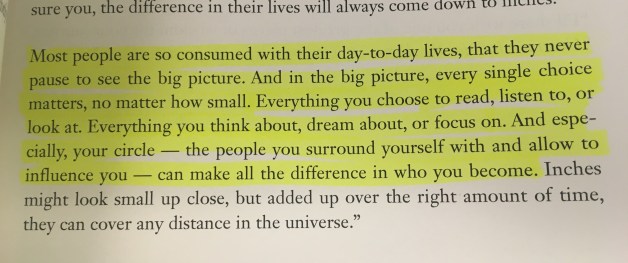
I started in what has always been my favorite place: books. Before I could really try to fix what was going on in my head, first I had to understand it. I loaded up on different sports psychology books, most riding-related but some not, and spent a lot of time picking them apart page by page (or with my audiobooks, sentence by sentence). Some of them I really liked, some of them were just ok. But they all highlighted one big thing: I had to learn how to be kinder to myself, how to see the big picture, and how to let go of things that I couldn’t control (well ok, there’s a lot more than that, but those were the big 3).
Whether it’s coincidence or not, I saw immediate results. Right after I opened my first books, I finally managed to put in two solid performances, finishing on our dressage score in both of our fall shows and earning two 2nd place ribbons. Awesome, right? Clouds part, angels sing, you’re done, you win, job complete, ta-da! Yeah no, not so fast. Then Texas Rose came along, and with it, some very complex feelings. The old me would have called that show a test, but now I see it for what it really was – an opportunity to see just how much I had learned so far, and just how dedicated I was to seeing this through.
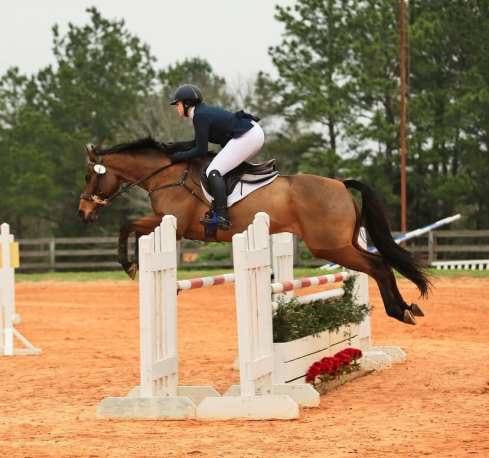
That show was our first P/T, at the biggest venue we have here. I was pretty intimidated by it, but I also knew that we were capable. I made a bit of a mistake in the dressage (an error) but was able to just kind of laugh it off. Which… that itself is progress. The undercurrent of embarrassment and self-deprecation was still there of course, but I was able to pick out what went well and identify what I had learned. Then we got to stadium. It looked huge, and I was trying real hard not to shit a metaphorical brick. Warmup was kind of a shitshow, and I stepped in the ring thinking “Okay self, you can either feel cowed and defeated by all this, or you can sit up, kick on, and give it your best shot. Now is the time to choose.”. I sat up and I kicked and we got through the course just fine, albeit with 4 rails.
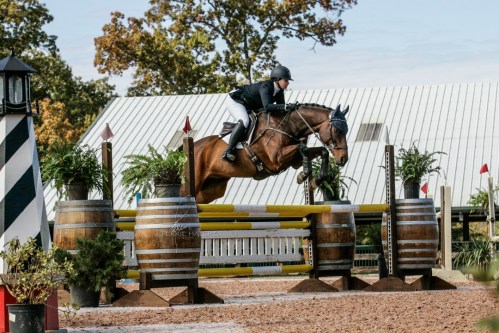
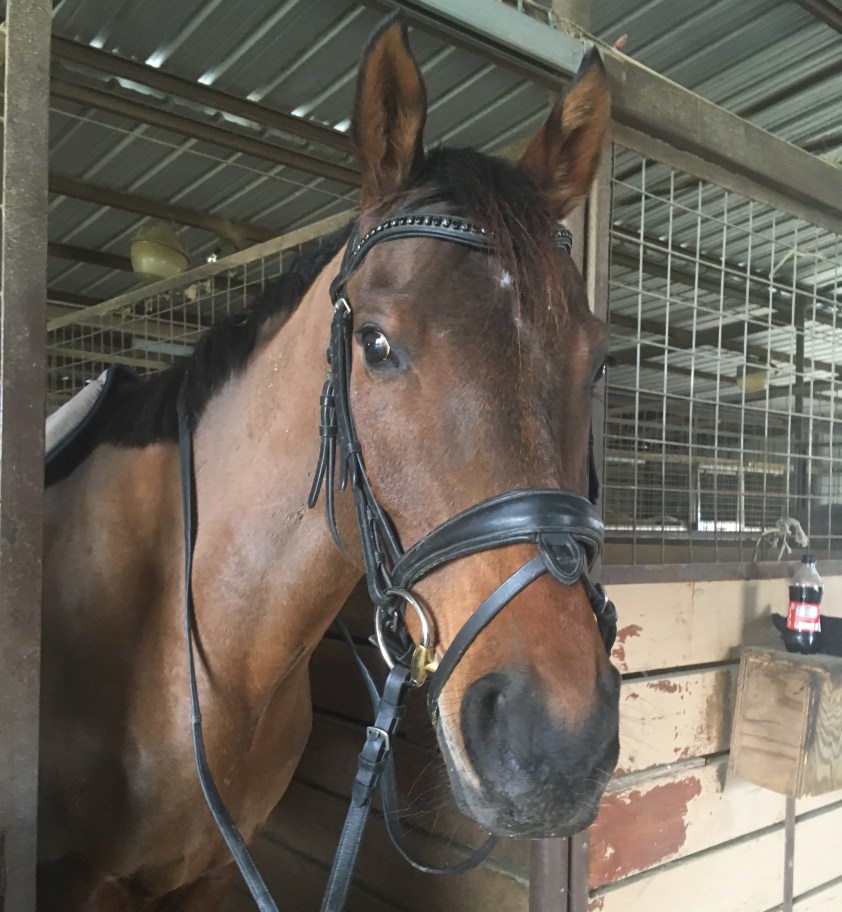
Gah, four rails. It’s really ugly to look at that 16 on paper, right? Plus you feel like kind of an idiot as the jump crew is scurrying around, cleaning up your mess as you walk out of the ring. But does the number on the paper actually tell the story? No it doesn’t. It was our first recognized Prelim showjumping round, on a horse I’ve had for his whole career, and here we were at a level I had never even dared aspire to. If I chose to focus on the result (“omg 4 rails, 16 penalties, great, now we’re last!”), I would have been upset. But if I chose to focus on the journey, and the opportunity that this represented (“holy shit we did a Prelim round at Texas Rose! I made mostly good decisions, and my horse tried so hard for me. Now we get to go home and work on how to smooth out the less great parts, and see if we can make some improvements.”) it was exciting instead. It was funny to me, as I sat there by Henry’s stall that afternoon and considered everything. That was the first time it really registered with me that I could actually choose how I wanted to think and feel about it. I could choose to be upset, or I could choose to be excited. There was so much power in having the ability to choose, rather than in letting my emotions control how I felt.
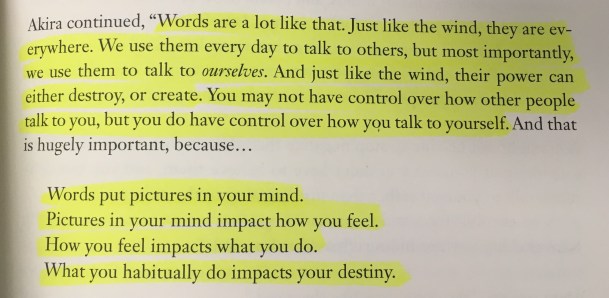
And then XC rolled around, and a random footing issue resulted in a 20. I remember walking back to the barn after we finished, waiting to feel that blow to the gut. Because, you know… a 20 is failure, right? Kind of embarrassing, especially on a horse that should not be getting 20’s. But I waited and waited, and that blow to the gut never really came. It’s not like I’ve learned anything new here, really… horses are horses, sport is sport, and sometimes things just go wrong. Shit happens. I’ve always known that. But before, I let the things that were outside of my control really get to me, to define who I was as a rider and even as a person. They would eat me alive, feeding on my self-worth, my confidence, and my positivity. I let myself feel so discouraged by random occurrences or one off mistakes. But this time I finally saw it for what it was: Shit. That. Happens. And again, there was a learning opportunity available to me, if I chose to take it.
I have never left a show in second-to-last place and felt satisfied with it in my entire life, until that day. And to me, that illustrates a lot more growth than either of those other two previous shows where things went really well. There’s nothing glamorous about growth, but it’s essential. I learned so much more from the show that looked ugly on paper, and I was able to grind away at those lessons, keep working, and make marked improvements. Which, shocker, eventually DID make themselves evident in consequent show results (if you’re into that “results” kind of thing).
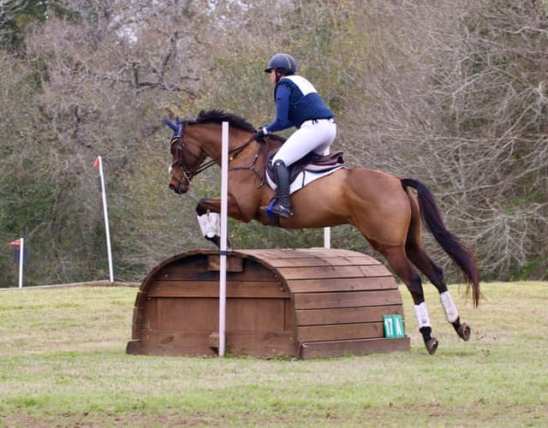
In retrospect, I really needed to have a bit of a rough time. It made a lot of the stuff I had been reading actually click into place for me, and I was able to see things that I still needed to work on, but also the things that I’d already made so much improvement with. It proved to me that I was on the right path, and that this mental training stuff was really something I needed to pursue, for my own sake. I delved back into my reading with gusto, and started talking to more people about the subject.
Around that time Matt Brown came out with his Chronicle series, A Case for Not Focusing on Your Goals, and the subject matter was much the same as what I was dealing with. I was blown away by it, not really having seen a top professional be so candid about the subject before. He had book recommendations too, which I have been making my way through one at a time. Rough times are going to happen, no matter who you are and no matter what you do. Especially when you push further and further outside of your comfort zone, into new territory. They’ve happened before and they will happen again, sometimes in small ways, sometimes in big ways. There is no avoiding that. The difference is how we get through them, and I’m realizing that perspective and mental preparedness are key.
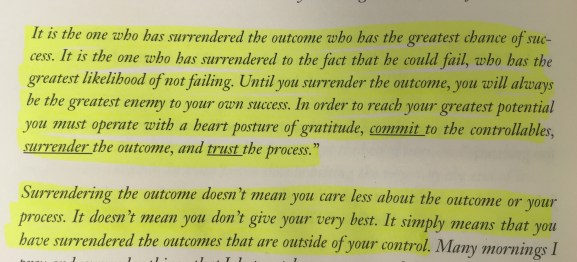
The more I’ve become aware of the mental aspect of riding, the more I’ve noticed the little things that continue to add up. The more people I’ve talked to about it, the more I’ve realized I’m not alone. In fact, almost every single person I’ve talked to has had some of these same struggles, or comes from a similar place. I feel very strongly that this isn’t something we talk about enough, as equestrians. It’s not a discussion we’re having all the time, but it should be. It’s not something we dedicate ourselves to as intensely as riding itself, but it should be. Every rider, every trainer, every owner should have this mental training as a continuous part of their education.
Don’t get me wrong, I’m not saying all this because my brain is magically “fixed” and I’m all better. Far from it. There is no such thing. I have to strap myself in, every day, and commit myself to this, every day. It will probably always be this way. For as much as I have learned, I still have 100 times more to figure out. It’s still very easy to find myself slipping into negative self talk, or comparison, or focusing on the flaws, or fearing failure. Our brains are programmed that way in this day and age, and trying to reprogram it is not easy. It’s a long hard road, and I don’t expect to ever find the end of it… I’m just hoping that it will continue to smooth itself out a bit.
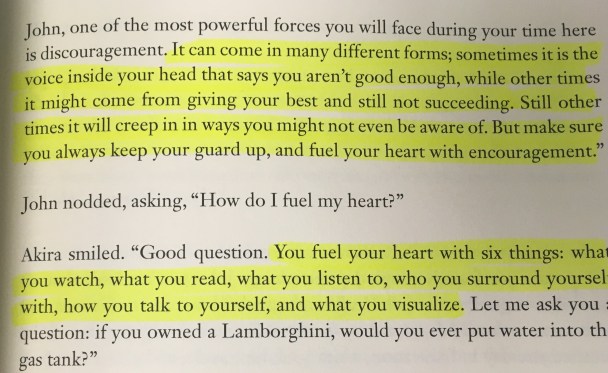
I’m also hoping that by sharing my story as it unfolds, that it helps spark more conversation. I want to talk about this, honestly I need to talk about this, and I want other people to feel like it’s okay to talk about, too. Either way, get ready to see me reference this or talk a lot more about this from now on. I needed some time in the beginning to absorb it for myself and start working things out in my own head, but now I’m ready to start sharing, for better or worse. And if anyone ever wants to have a conversation, never hesitate to hit me up. If you’d rather do it privately, email me or message me any time.
If you’re looking for a couple of books, my two favorites so far have been Braining Training for Riders and Chop Wood Carry Water. That said, Trafalgar Square Books has a really good collection of sports psychology books, if you want to see what else is out there. Something else might speak to you more.



 breedrideevent.com