Warning: this is a kinda lengthy diatribe comprised of a lot of personal opinion.
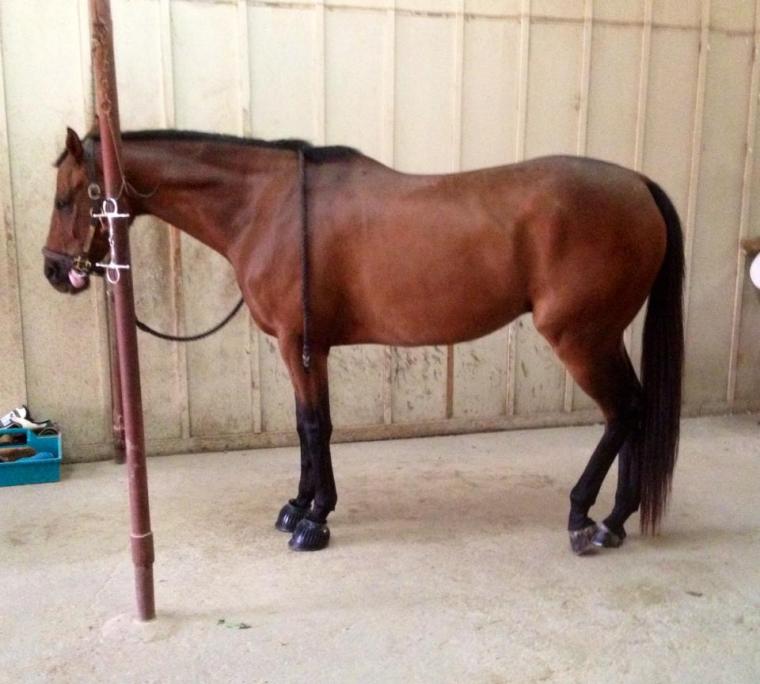
Like everyone else, I’m a big fan of keeping horses sound and happy for as long as possible. My first horse was purchased as an older, been-there-done-that jumper. Being a teenager I really didn’t know a whole lot yet about how to keep a horse sound long term, so it took until he was starting to come up pretty sore in the hind end before the vet was called. He flexed quite lame in both hocks… it was past the point of prevention and now to the point of treatment. Hock injections were the only option. The first injections lasted him a year, the next lasted 6 months, then after that they were wearing off in just a few months. That was when I decided to retire him.
I learned a lot from that horse about how I want to manage my future horses, especially the young ones, to help ensure future soundness. I will admit that sticking a needle in a joint scares the absolute crap out of me and I think our sport in general is way too blasé about it, thus I’m a big believer in doing everything possible before it gets to that point. Over the years with lots of horses and lots of different experiences I’ve narrowed it down to my 4 big things:
Feet, footing, turnout, joint support.
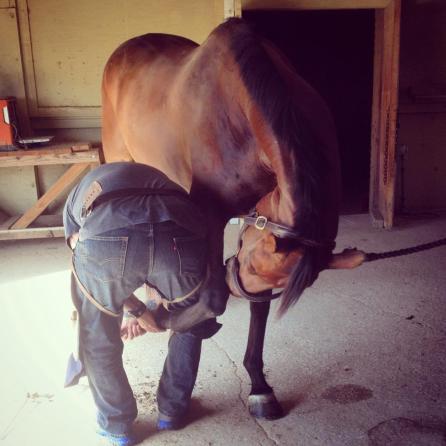
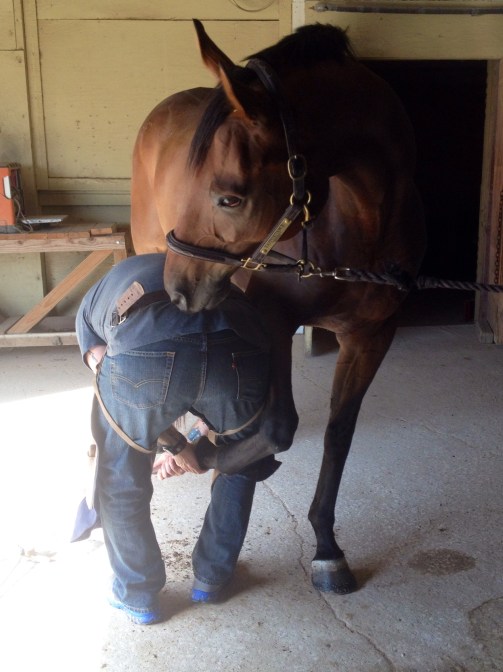
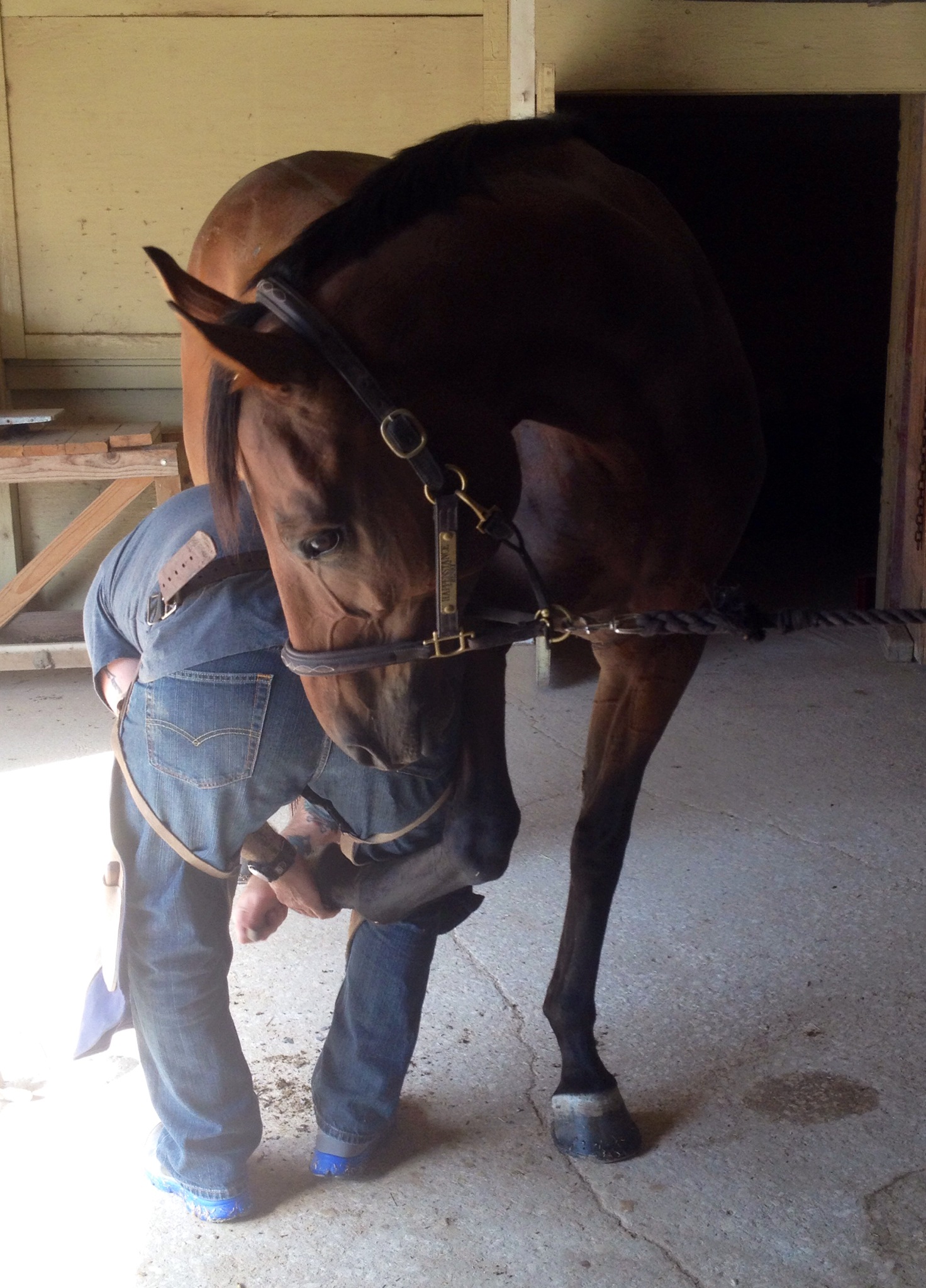
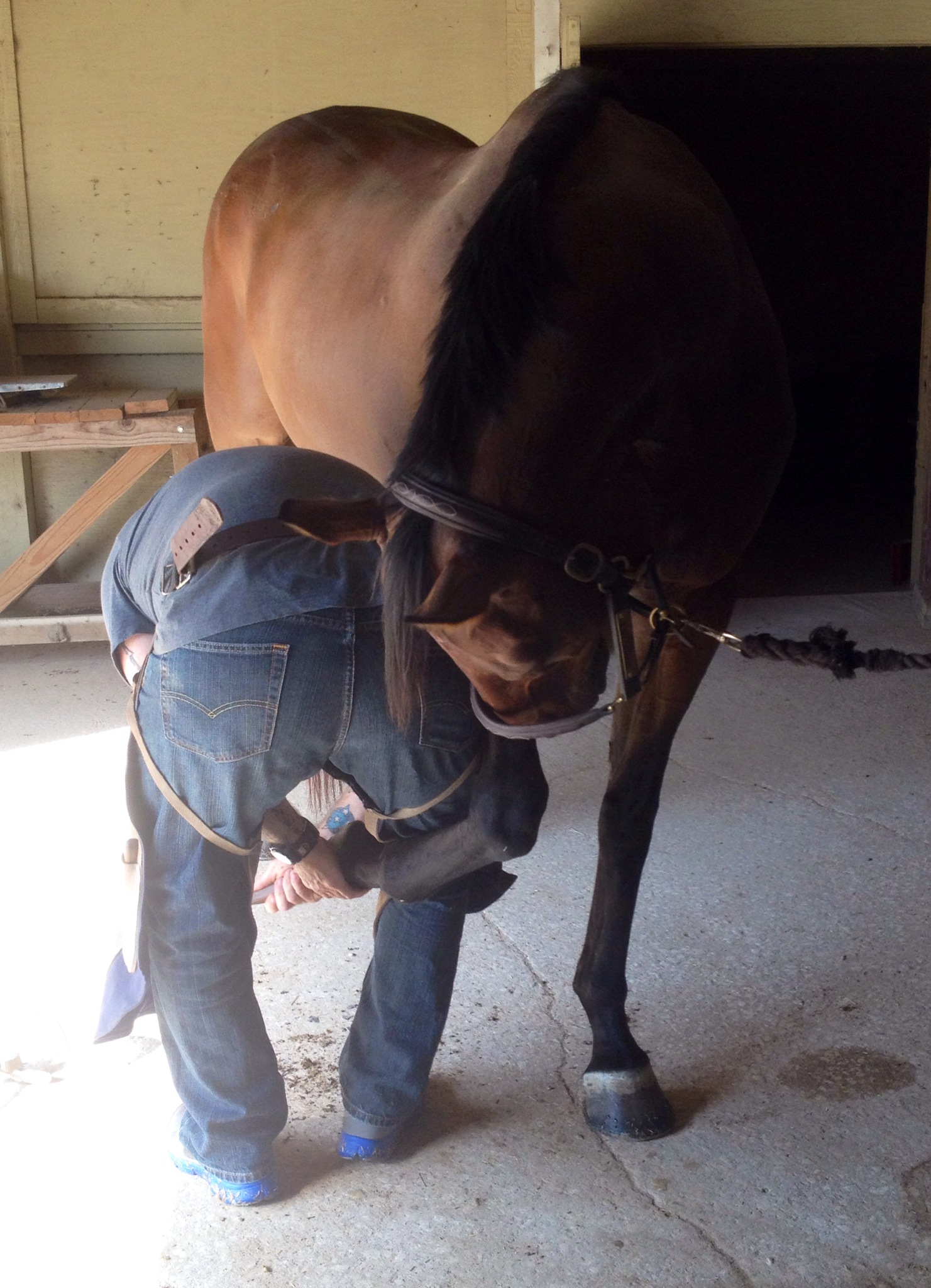
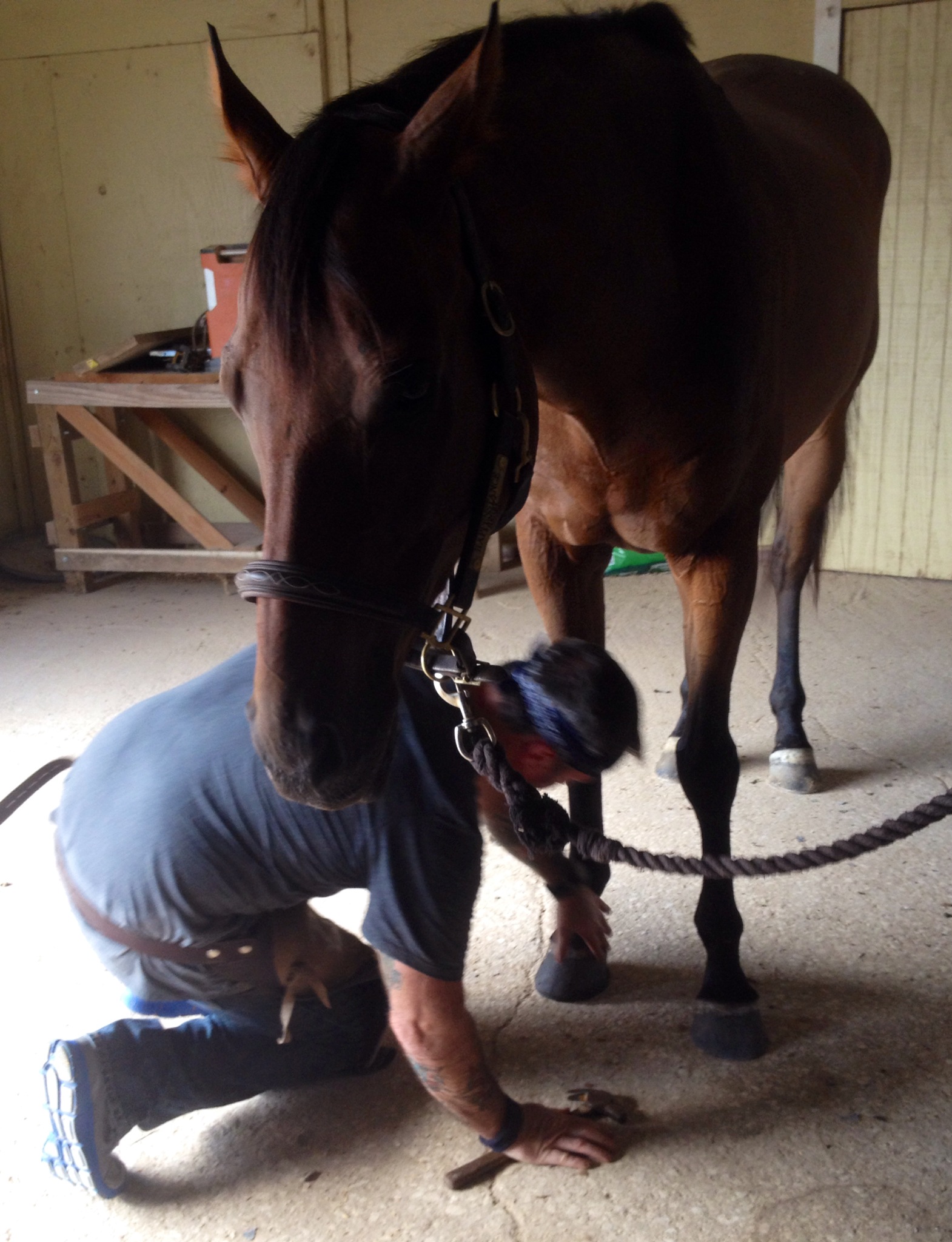
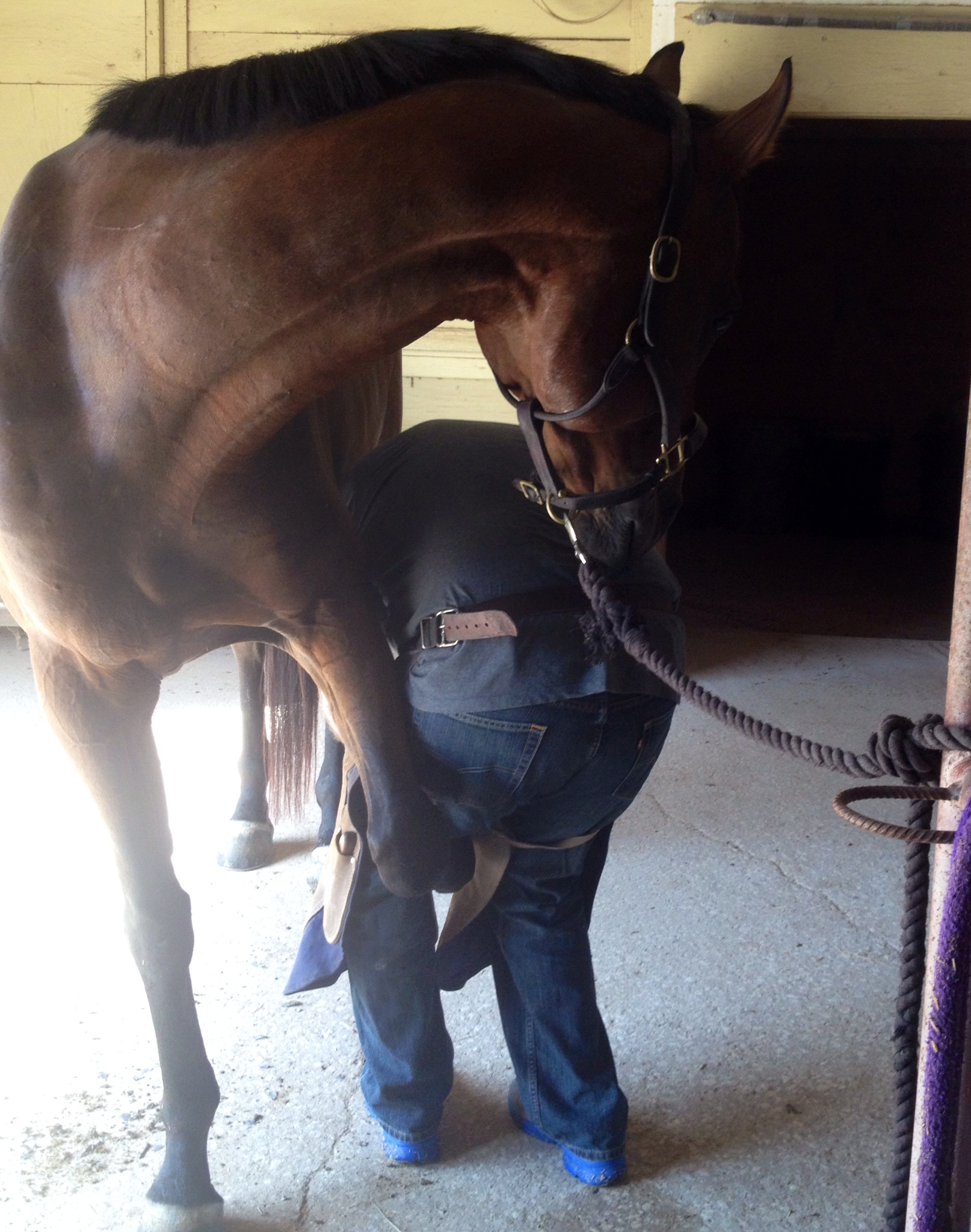
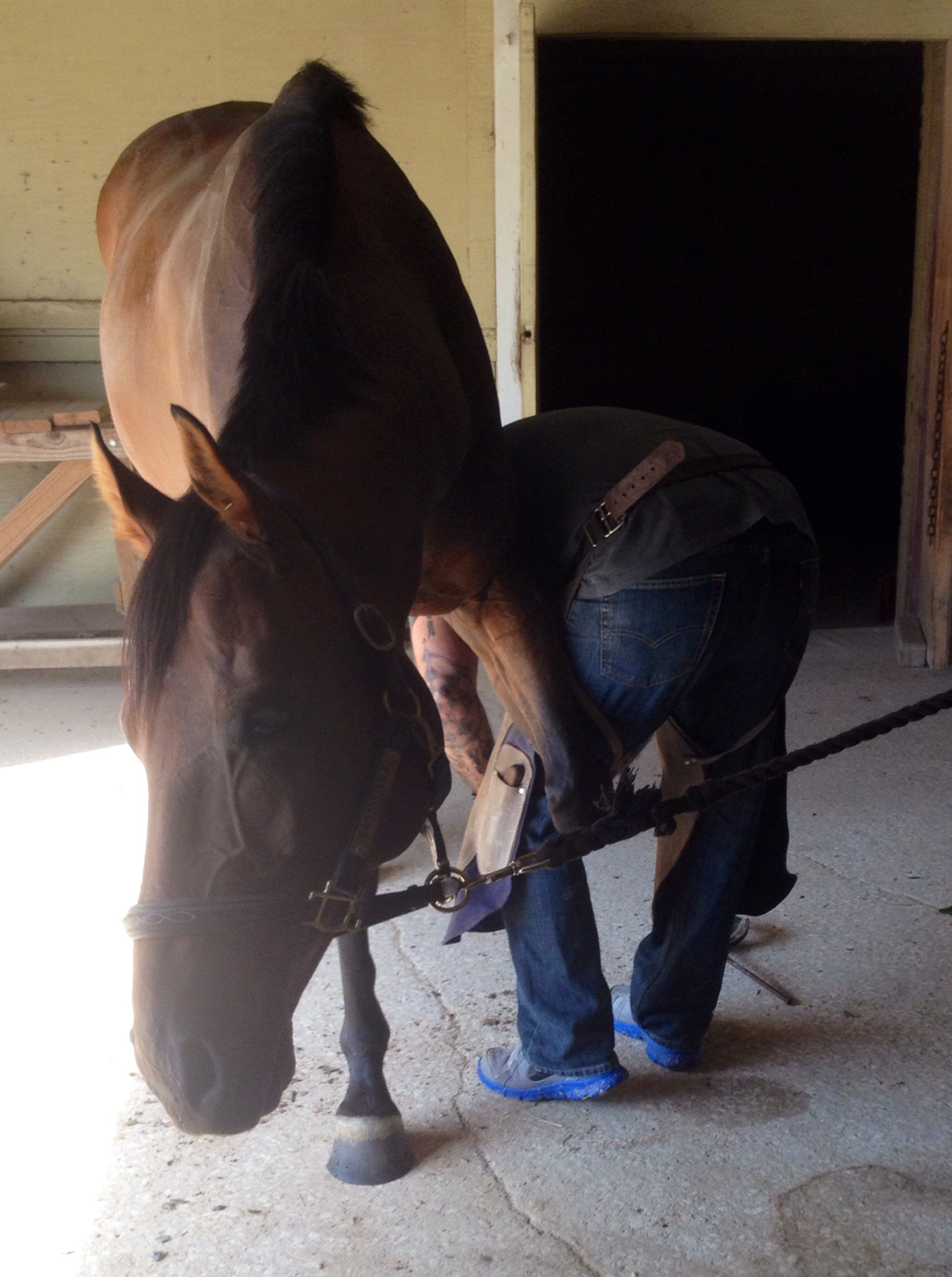
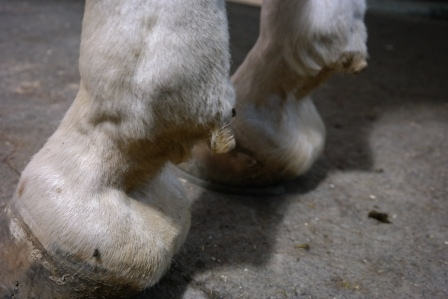
Feet have to be well balanced and maintained meticulously. If that means a 4-5 week shoeing cycle, so be it. If that means some kind of special shoeing to help support a conformational or gait abnormality, lets do it. I just can’t/won’t deal with bad farrier work.
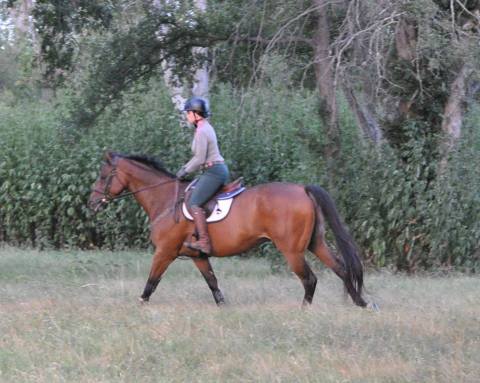
Footing… I really believe that bad footing is the worst thing for a horse’s long term soundness. It’s so imperative that it be even, the right depth, well maintained, and of proper material. Years of working in bad footing or even just sub-par footing can have really detrimental effects on a horse’s long term soundness, whether it be too much concussion on the front feet, too much strain on the hocks, repeated micro-tears in soft tissue, etc. I won’t board at a barn with bad footing and I won’t go to a horse show with bad footing. That’s made me the subject of ridicule at times and I know I’m a nut about it, but footing. All horse people should try to educate themselves on what makes the difference between good footing and bad footing, and reading this article is a good start. It’s amazing how many people just don’t know the difference. And IMO the good footing rule extends to turnout as well. I’d rather mine stay inside for a day than be turned out in slick mud. Overprotective mom? Maybe.

As far as joint support, I’ve never been a big fan of oral supplements. I really think that they pee/poop most of it out, and that stuff is not cheap. With the past couple show horses I’ve had I developed a great love for Pentosan, which is an IM injection. Watch this video. The basic gist is that it can help both prevent and repair damage in the joint. The best thing is that if you can get a prescription for it you can order it from Wedgewood for only about $14 a dose. Much cheaper than oral supplements, you know the horse is actually getting it, and IM injections are easy. Pretty much all of my horses over the age of 6-7 that are in work go on Pentosan.
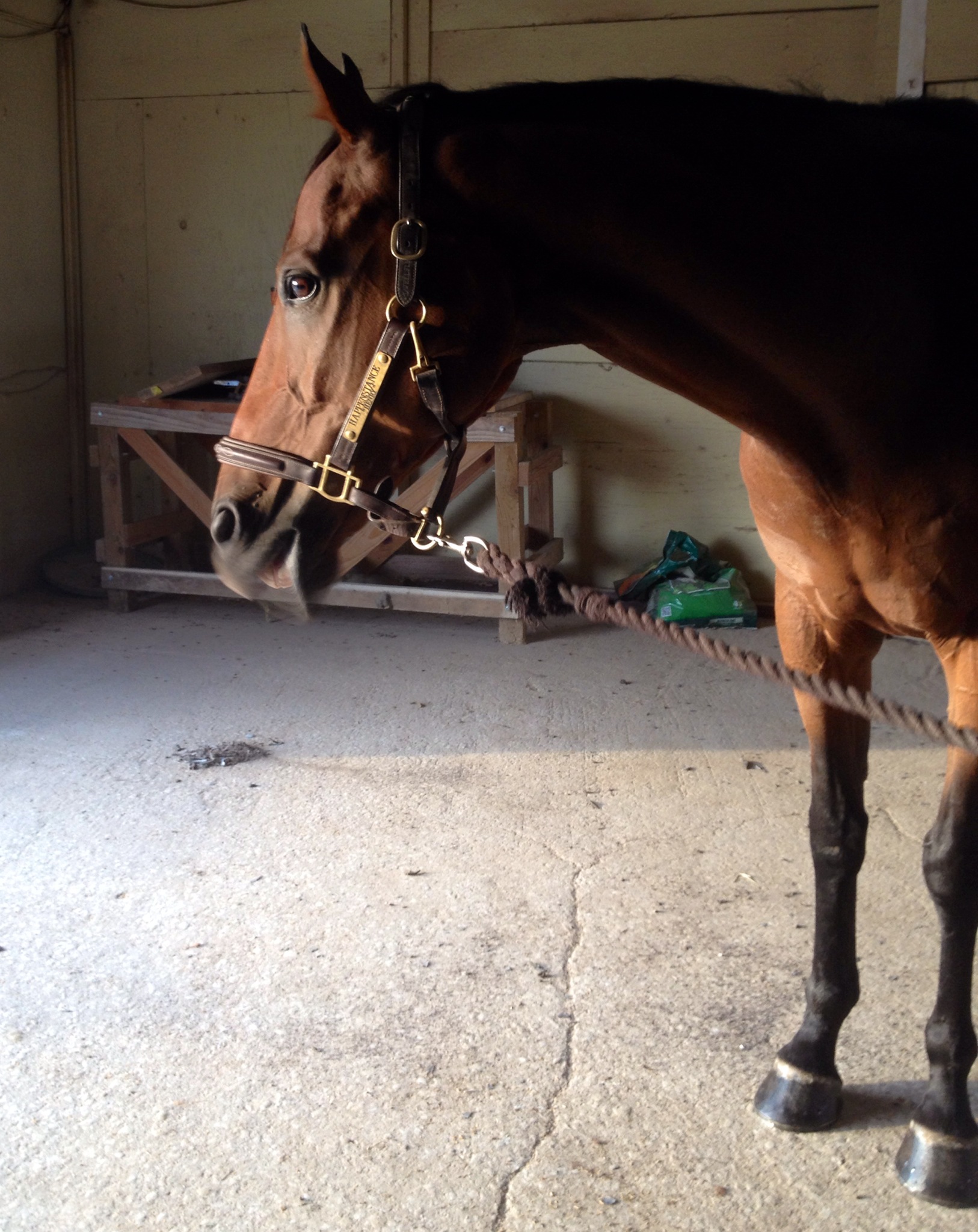
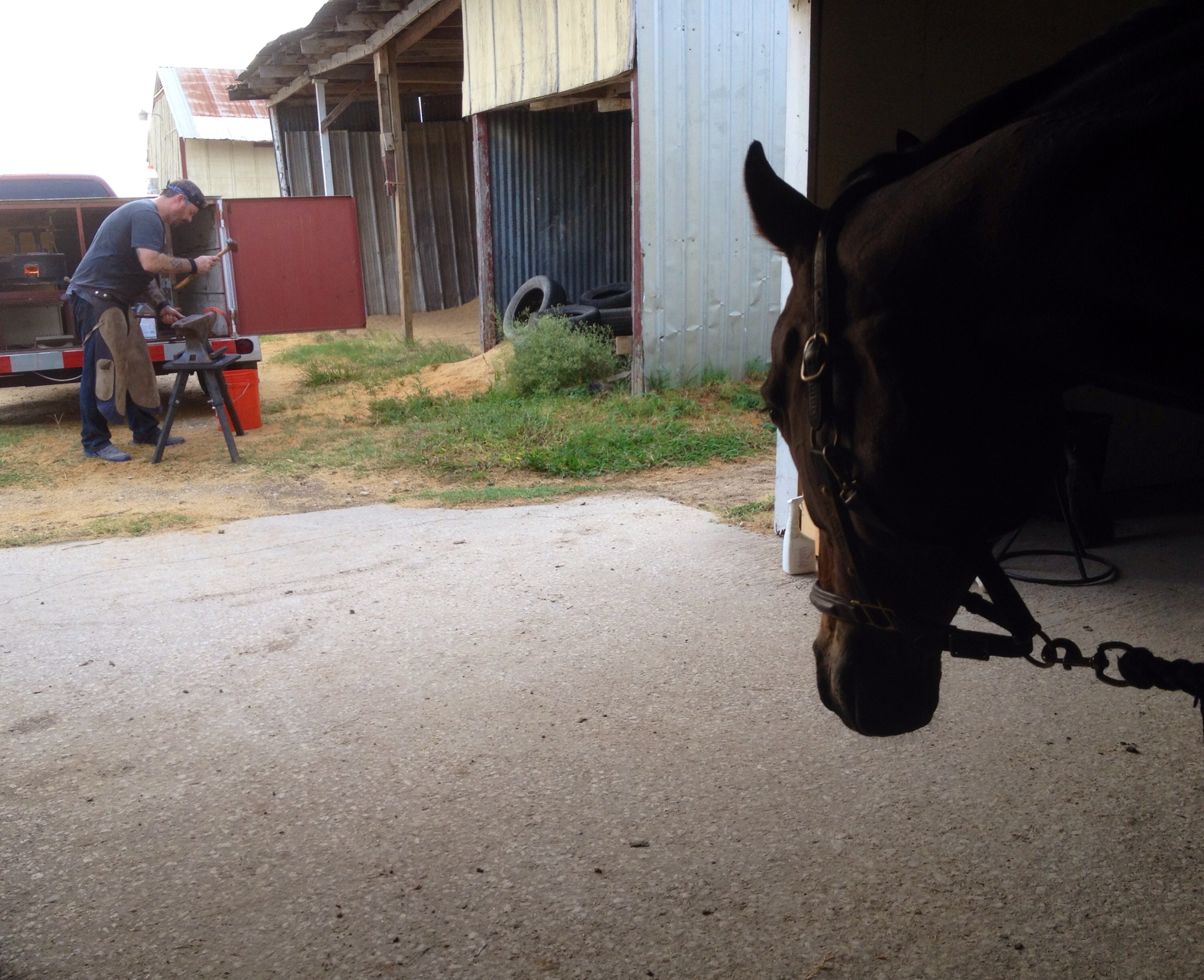
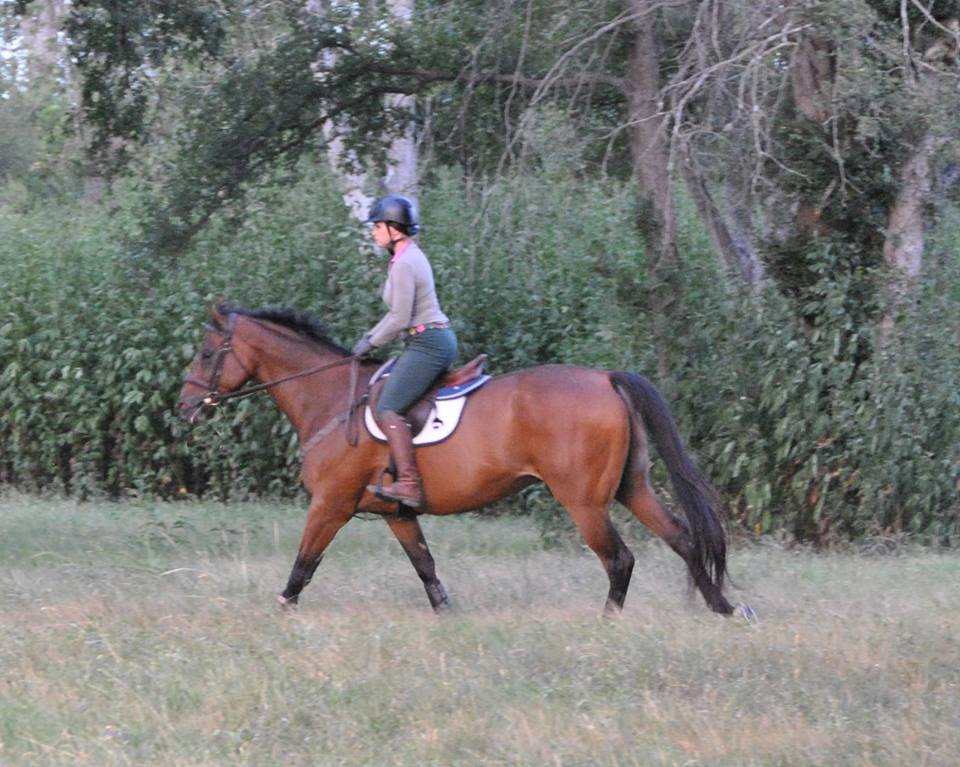
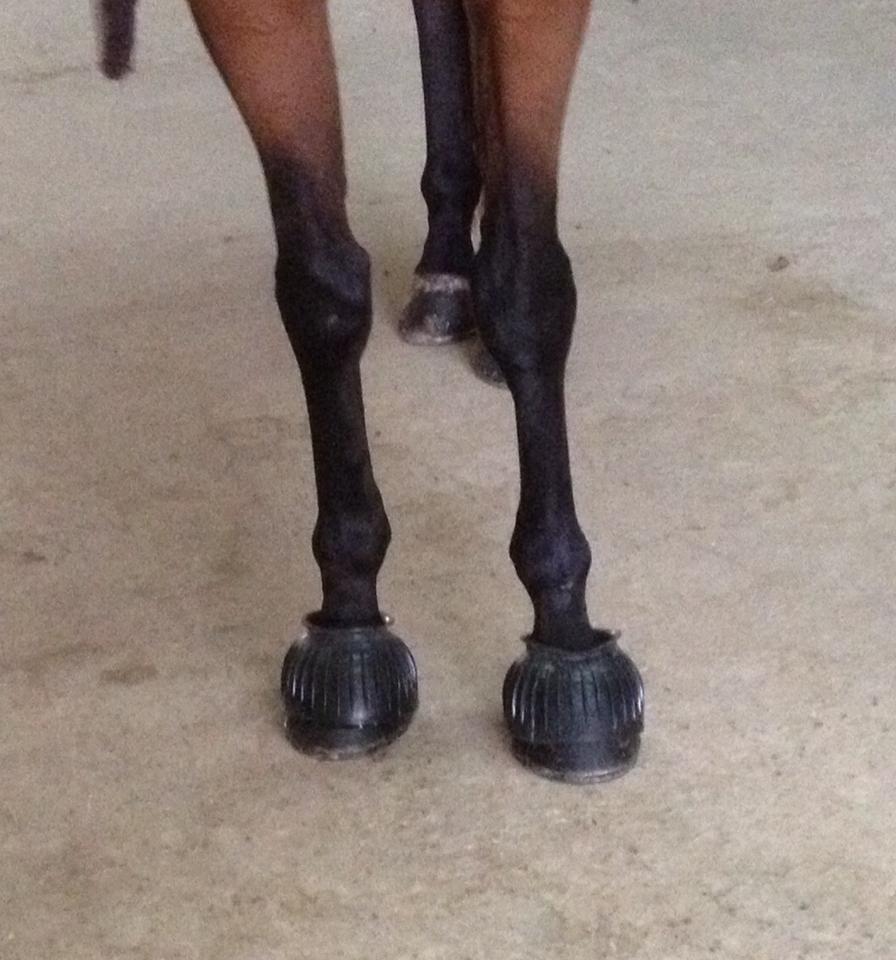
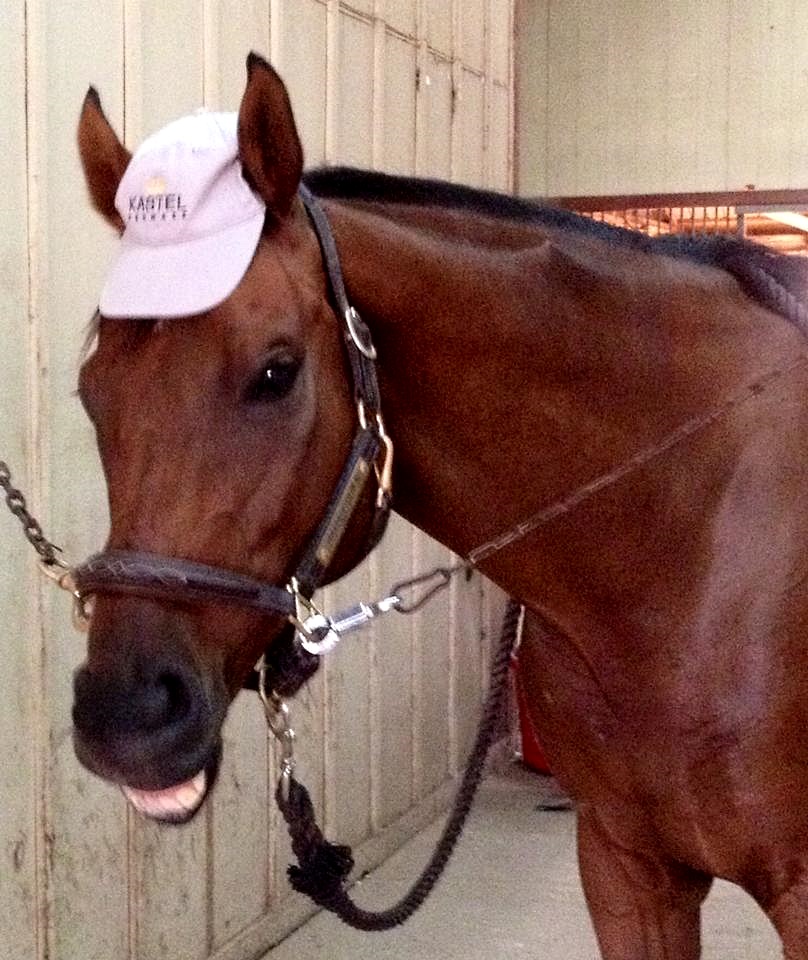
The reason I’m rambling about all this is because it’s been on my mind a lot lately as I’ve made a few choices for Henry. He’s been great, soundness wise, knock on wood, but I want to keep him that way. So I got vet and farrier to team up to figure out some shoeing changes that will help support him a bit better (bar shoes for the crooked legged, very naturally low-heeled creature) and his Pentosan injections start today. Let’s face it, even though he’s only 7 and he didn’t race, he spent a lot of time in race training and now he’s a jumper… neither of those are easy lifestyles. If doing a few little things now to go the extra mile will give him better quality of life well into and past his prime, it’s totally worth it to me. I’d rather prevent problems now than treat problems later.
This is not to hate on people who do IA injections on their horses… not at all. I absolutely believe in doing what needs to be done to help the horse, and if Henry really needed it I’d do it in a heartbeat (and probably then make some changes to his lifestyle/program as a result). This is geared toward no one in particular but really just horse sports in general. I obviously had way too much time to stand there and think while the farrier was doing his thing last night. 😉 My stance is merely one of trying to get people to pause and assess their program, asking themselves “what else?” or “what can I do now?”, thinking of it in terms of preventing problems instead of reacting to them after the damage is already done. I wish someone had asked me that 15 years ago.
Soapbox dismount.








 breedrideevent.com