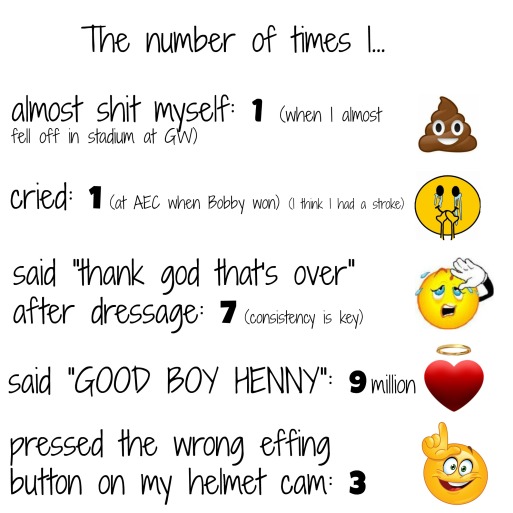
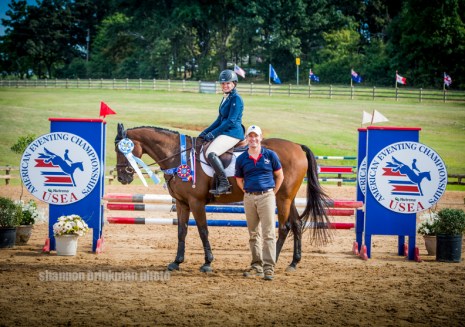
Henry’s first year as an eventer (and my first since 2003) went a lot better than I would have ever expected. We moved up to Novice sooner than planned, we made it to AEC, and more importantly Henry gained a lot of confidence. We did 7 USEA events in total, and while no doubt some were better than others (ahem, The Greenwood Stadium Massacre) overall I can’t complain.
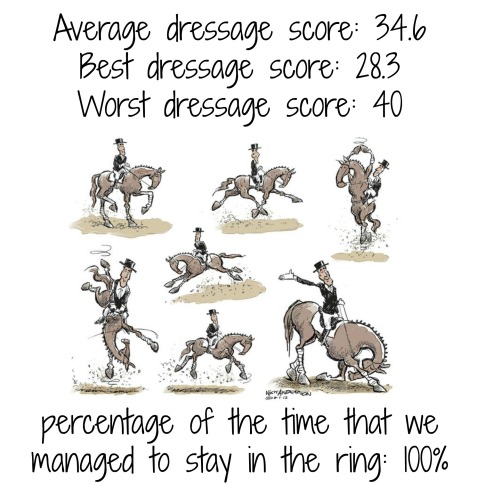
I know. I’m impressed too. Sometimes it’s no small feat to stay in the ring despite both my and Henry’s panicked desire to flee the horrors of the rectangle. Granted, there was the time that Henry knocked the chain down with his foot when he tried to prematurely exit at A…
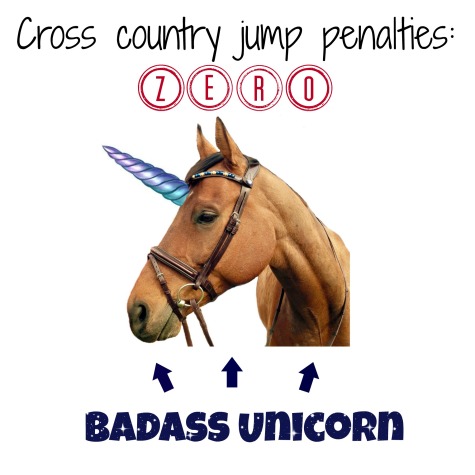
But there’s one part he’s exceptionally good at:
Would have been double clear XC all year except for that one time my watch died in the startbox and I accidentally accrued 3 time penalties. Sorry Henny.
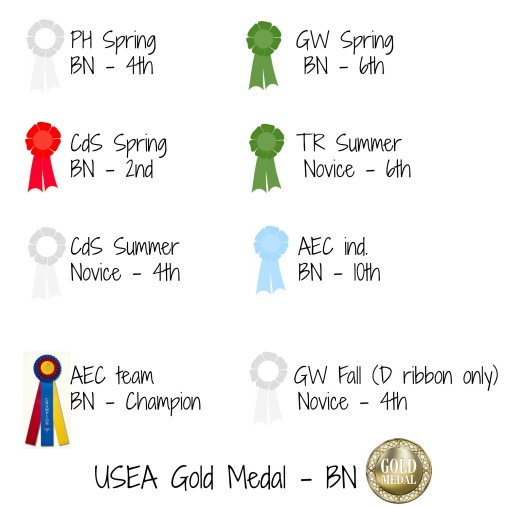
Somehow we managed to come away from every show with a ribbon (even the disastrous Fall Greenwood since they mercifully gave out dressage ribbons), which is now a nice pile of satin sitting on top of the dresser in our guest room. Aside from AEC it was a very Christmas color themed year. We should try for more blue next year. Maybe some yellow for contrast.
And last but not least, the emotional toll.
It’s been real 2015, let’s do it all again next year. I’ll try to push the right button this time.
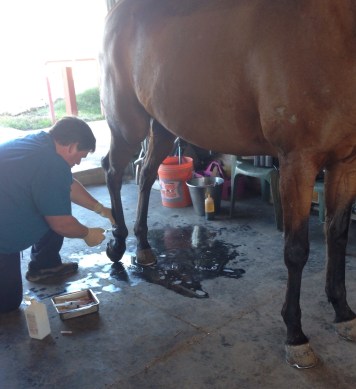
Henry got his fetlocks injected on Friday afternoon. With a healthy dose of sleepy juice and a twitch, he was almost not that bad about it. Almost. Not stoic, this horse. Kind of a wuss, to be honest.
He was enough of a turd about the left one that the vet was concerned about the possibility of a hematoma, so we wrapped him in Cool Cast and left him bandaged for 24 hours. I’m always super nervous the first day or so after anything like this but luckily all looked great when I pulled off the mummy wrappings. $300 worth of lube successfully transported into fetlocks. At this rate my trailer is never going to finish being refurbed.
bye bye money, I’ll miss you
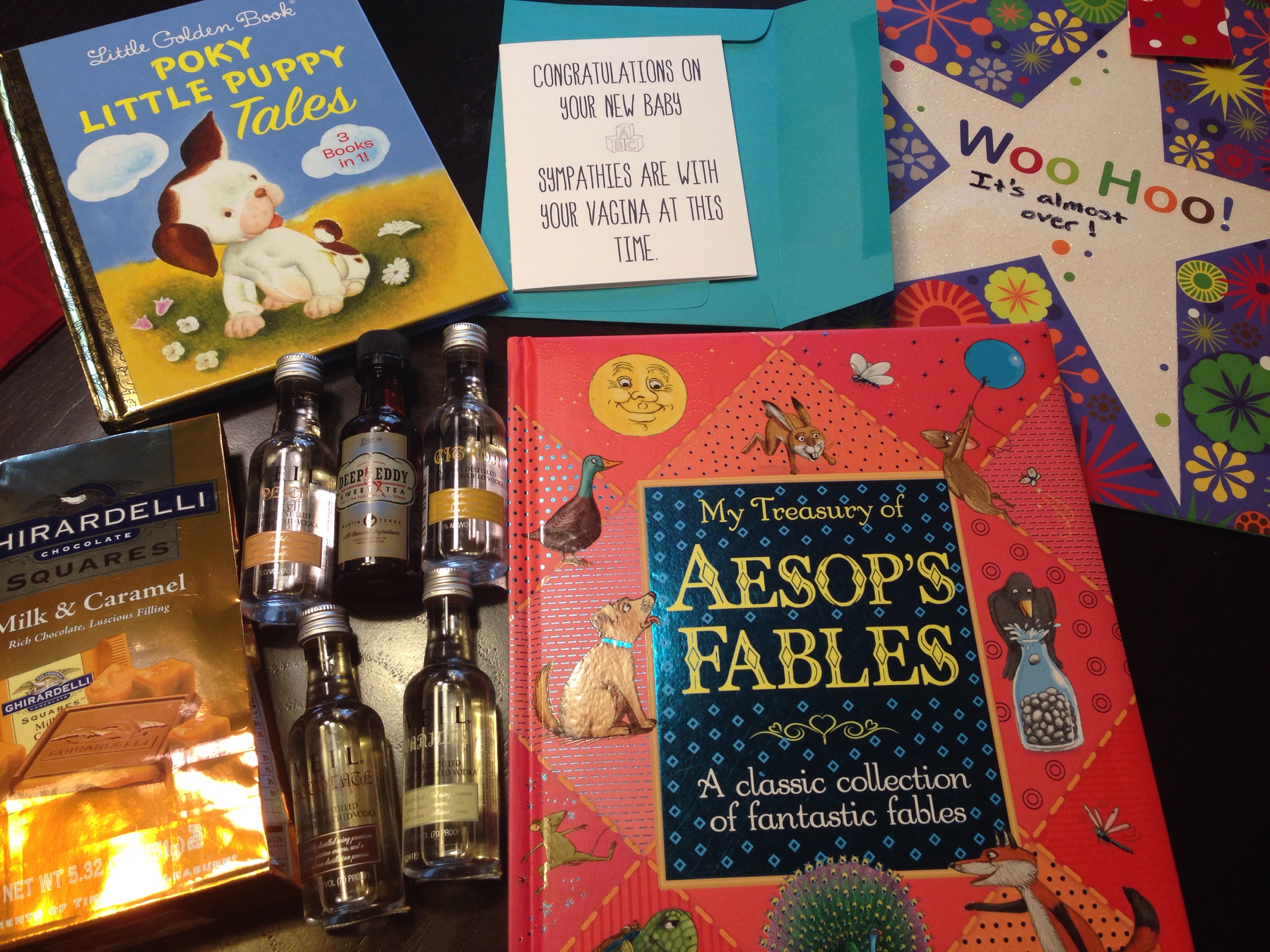
On Saturday afternoon I went to a baby shower for a very good friend (we’ve been friends for almost 20 years, how scary is that?). I don’t know jack squat about babies and 99.999 times out of 100 I’d rather stab myself in the eye with a fork than go to a baby shower, but I went because it’s her. If that’s not love I don’t know what is. Also I’m no expert but I feel like I nailed her gift:
I won’t buy you diapers, but I’ll buy you vodka. Pretty sure you’re gonna need a drink after all this.
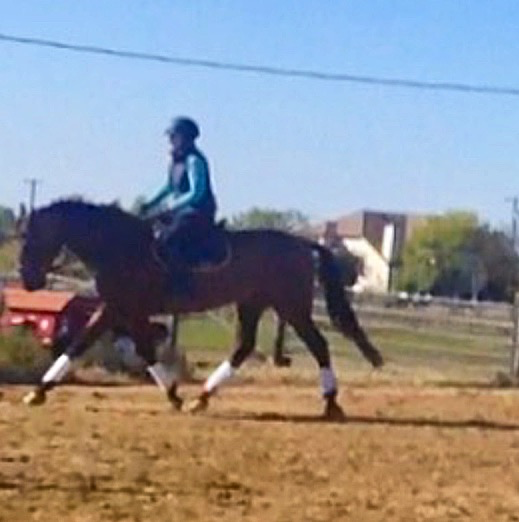
On Sunday I got on Henry for a very light w/t to see how he felt and I think it’s fair to say he’s feeling mighty fine. Where’d this fancy trot come from?
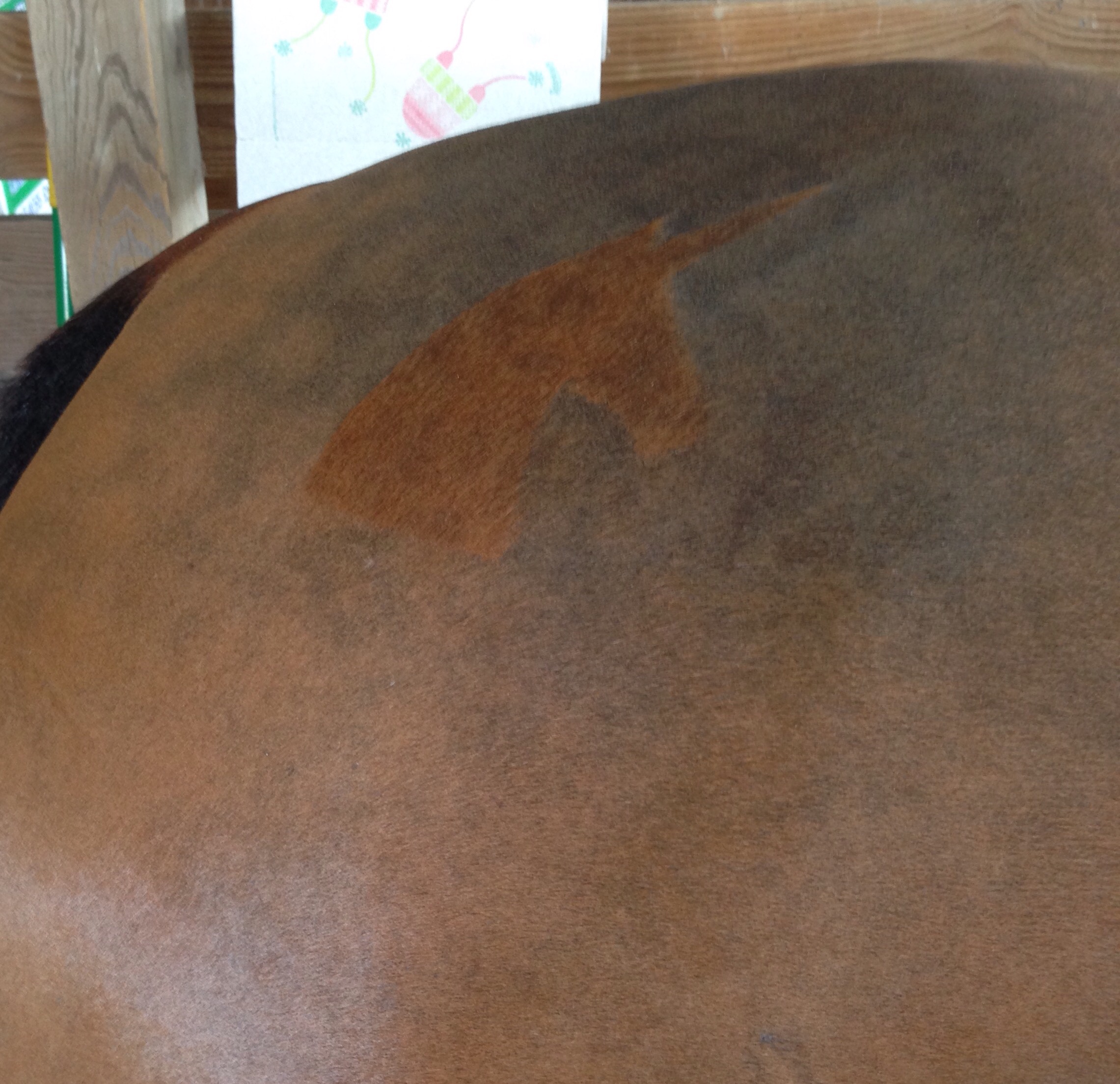
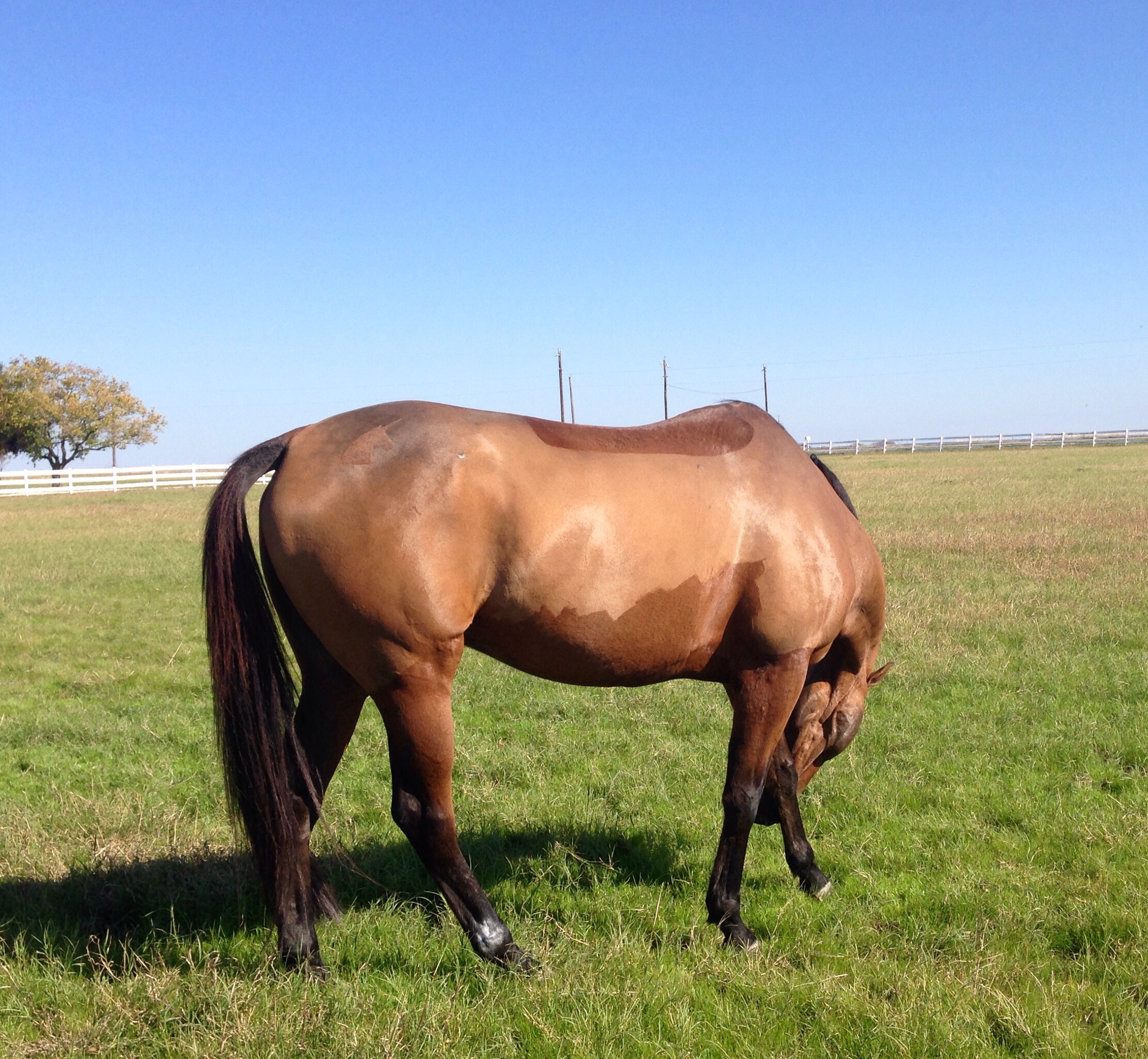
I also decided to go ahead with clip #2 of the year, except this time with some added decorations.
Yes, we have butt unicorns amidst a field of dapples. Of course, I only got about halfway through the clip before he decided he was done cooperating, so I’ll have to finish tonight.
New shoes with a new farrier today, too! Hopefully that’s the last piece of the puzzle to get Henry feeling great and ready to go.
My poor vet. I’m that crazy person who texts to ask some weird off the wall question, or send a picture of something unidentifiable. This time I sent him a text saying that Henry sometimes looked NQR behind, but only very slightly, and only sometimes, and it was really weird. Could he come figure it out? I’m sure he looked something like this when he read it:
But he’s the best, so he came. He watched Henry trot, watched me ride him, and saw some unevenness in the LH. He flexed off on that hock so we figured that was probably it, injected them, and away we went. My vet texted me a couple weeks later and asked how Henry was, and I said that while it was better, he still felt ever so slightly funky to me. The best description I could give him was that he felt “stabby” behind in the canter (but only sometimes), and I noticed that when we got to a short distance he would swap leads in the back just as he pushed off the ground (but only sometimes) . That’s literally all the help I could give him. I’m sorry, world of veterinary medicine.
But my animals are cute
So he came out again and we tried the stifle first… both of us thinking that it looked typical of a stifle issue. Alas – nothing. He ended up having to leave that day before we could go further so we set another appointment. The next course of action was to start at the bottom and block our way up the entire leg. No one needs money around the holidays anyway, right?
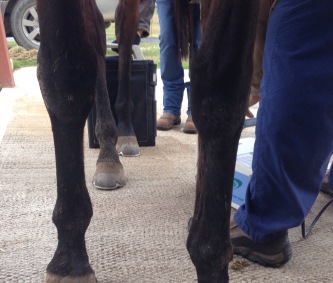
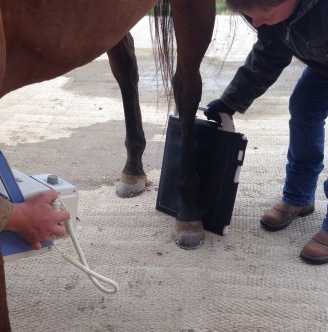
Luckily it didn’t take long – as soon as we blocked the fetlock Henry trotted off totally even. I never in a million years would have guessed fetlock, but okay. We took radiographs from every angle (getting what are no doubt the BEST quality x-rays I’ve ever seen, much less from a mobile machine) and got to see all kinds of cool things going on back there. In fact, the vet warned me in advance that these radiographs are SO good that it’s easy to over diagnose, so not to freak out.
cha-chingcha-chingcha-ching
Luckily there was nothing major or scary – the big fear was that we’d find a chip – but there are a few little things that he thinks are adding up to create the discomfort. Henry has a little bit of remodeling on the cannon bone, it looks like concussion type of stuff from whacking himself over and over and over his entire life. Because clumsy. He also at some point had a (now healed) very very teeny tiny hairline fracture in the inside sesamoid, probably due to a relatively minor soft tissue injury just above it. Plus there’s definitely reduced joint space in the fetlock itself. There was something about a slight rounding of something somewhere too that I have totally forgotten now.
The reflection messes up the view, but you get the idea
Sounds scary but basically it’s not anything out of the ordinary for an OTTB that is now an eventer. The vet thinks the unevenness we’re seeing is due to chronic inflammation and general achiness from the wear and tear, which is being exacerbated greatly at the moment by feet with too long of a toe and too low of a heel (hasn’t that been a common theme amongst bloggers lately?). Nothing acute, nothing that affects riding or his job, but some general maintenance. We are going to inject the fetlock on Friday and make some shoeing changes to get the extra strain off of the sesamoid area.
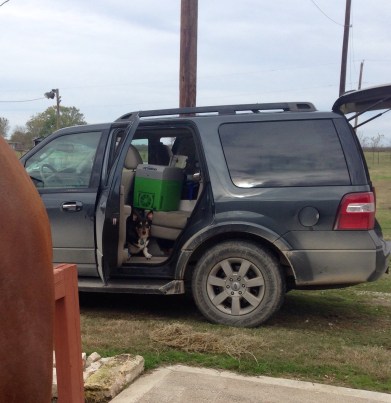
Also, Quinn tried to leave with the vet. Zero loyalty in that dog.
I think I’ll follow that up with a chiro appointment to make sure he’s not totally out of whack from compensating, and then hopefully we’ll be done and Henry will be totally back to normal again. I’m sure the vet would be really happy to stop getting the “I dunno, something just feels weird” texts from me…
Because I’m the biggest procrastinator ever, I waited until the day my USEA membership expired to renew. One of the great things about being a lower level eventer is the membership fees – technically all I have to have is the $85 annual membership to do recognized shows. Coming from Jumperland, where you need 5 thousand different memberships and registrations and renewals that come out to something around 19 million dollars annually if you want to do rated shows (only a slight exaggeration), I will never complain about USEA’s cost. It’s a bargain, and so much less headache to renew and keep up with.
They do give you the option of joining your area’s Adult Rider program, which I did last year but opted not to do for 2016. Aside from the Adult Team Championship at AEC (for which you had to be an Adult Rider’s member) I did nothing with Adult Riders in 2015, and since I don’t plan on going to AEC this year I decided to skip it. I can always join later if I need to.
Instead I think I’m going to join a local association instead. Of course Texas is split up kind of awkwardly for me… Dallas/Ft Worth has North Texas Eventing, Houston has Greater Houston Combined Training, and San Antonio has Central Texas Eventing. Austin has nothing centered around it. Of course. Because there is no eventing in Austin.
I’m pretty on the fence about which one to join. Each association has a couple of things that appeal to me, but no one in particular stands head and shoulders above the rest. When I did local h/j shows you had to be a member of the local association to do their shows, so there was no option – you had to join. None of the local eventing associations put on their own shows (at least not ones I would go to), the venues do, so there’s no membership requirement to do the shows.
If you’re in an area where you have more than one choice for a local association, how do you decide what to join? What things make one organization more appealing to you than another?
Mostly I’d just like to support their existence with my membership dollars, and since I can’t do all 3 of them I have to pick one. I have to be honest, I think I might just pick the one where I have the most friends and know the most people…
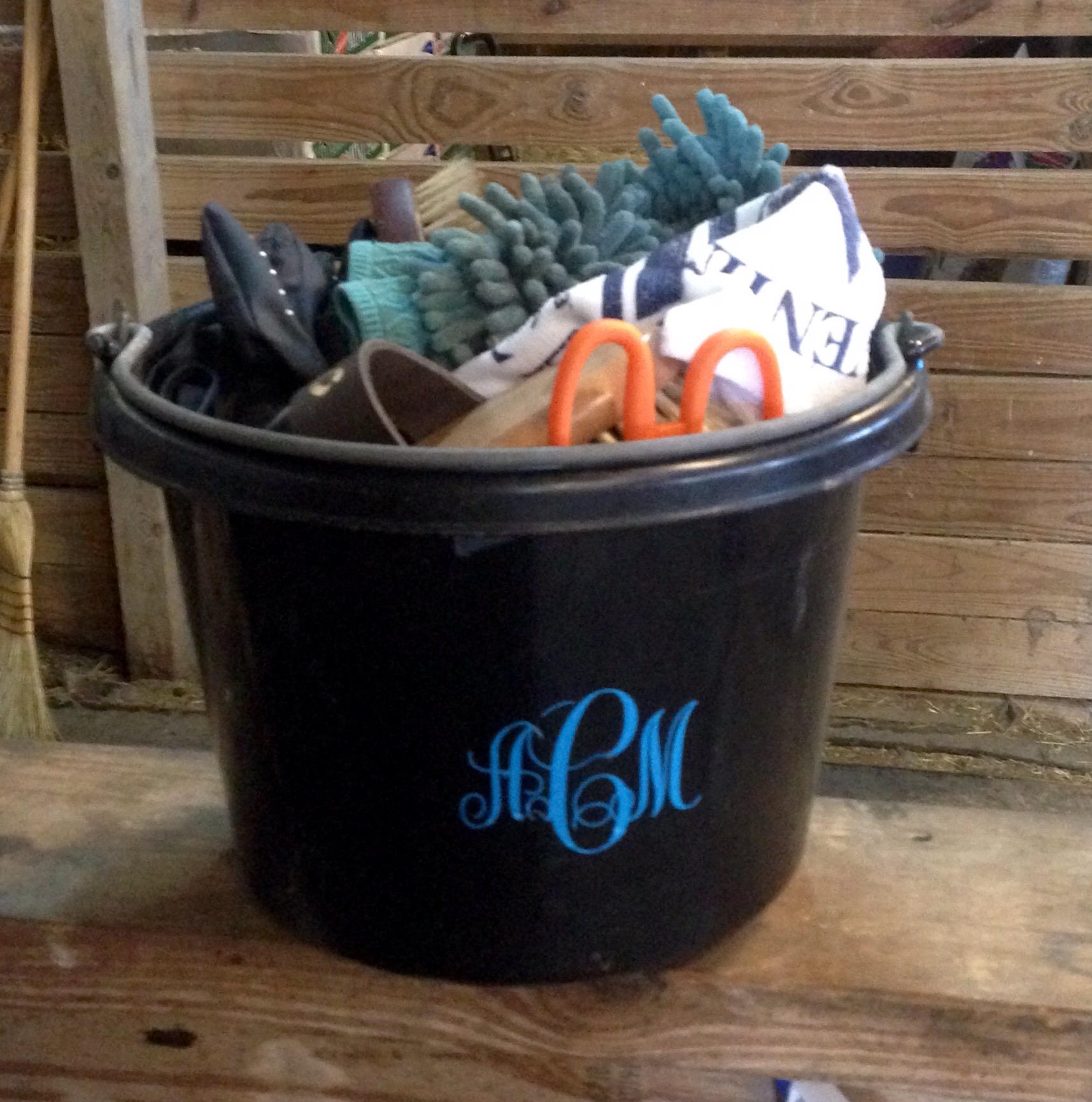
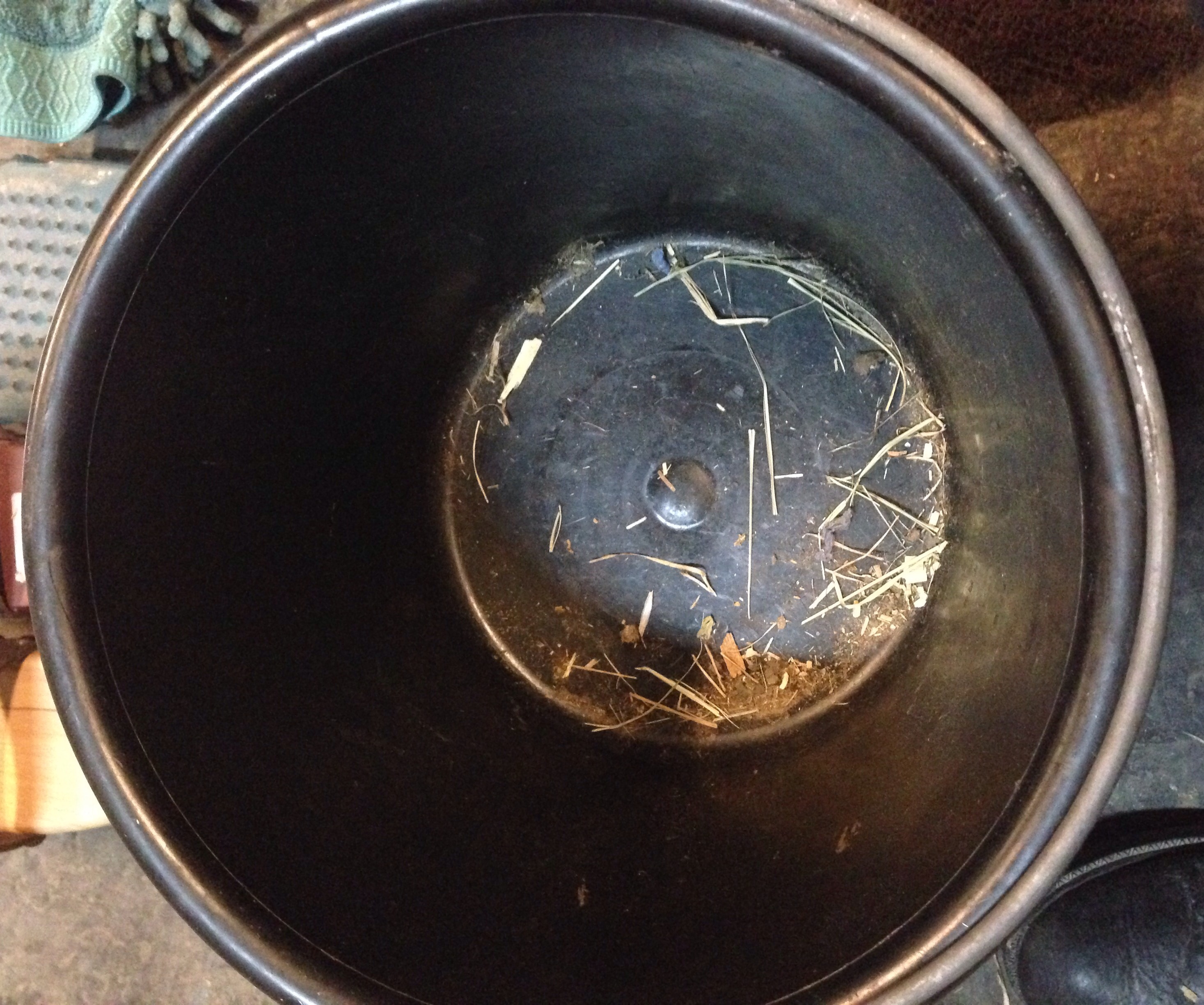
Doctor Who fans will get the reference. For Harry Potter fans we’ll say my grooming bucket is Hermoine’s beaded handbag. And if you still don’t get that reference, I don’t think we can be friends. The point of course is that my grooming bucket must be bigger on the inside than it is on the outside, because there’s so much crap crammed in there it doesn’t seem physically possible.
Breeches and Boat Shoes posted a while back (ok, two months ago) about what’s in her grooming bag. Emma picked up on it yesterday as an unofficial blog hop, and so now here I am copycatting. For some reason I find it fascinating to see how much crap, and exactly what crap, people can and do fit into their grooming totes.
I’m not fancy enough to have an official grooming tote, I just use a small bucket that I slapped a monogram decal on. The crap inside of it falls into three distinct categories:
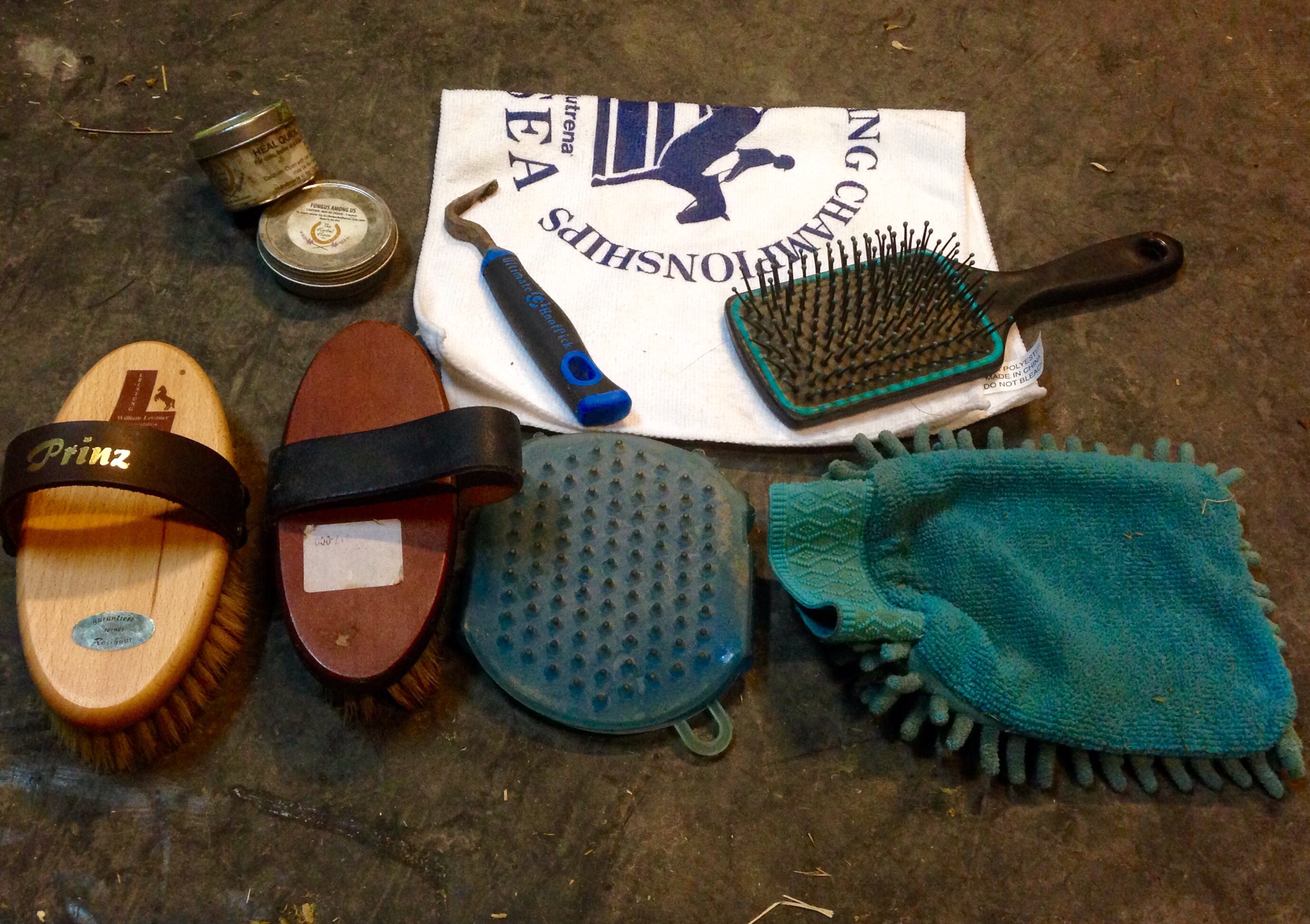
Actual Grooming Crap
Leistner brush (I actually got this a couple weeks ago to review and am totally shocked by how I feel about it… review coming later this week)
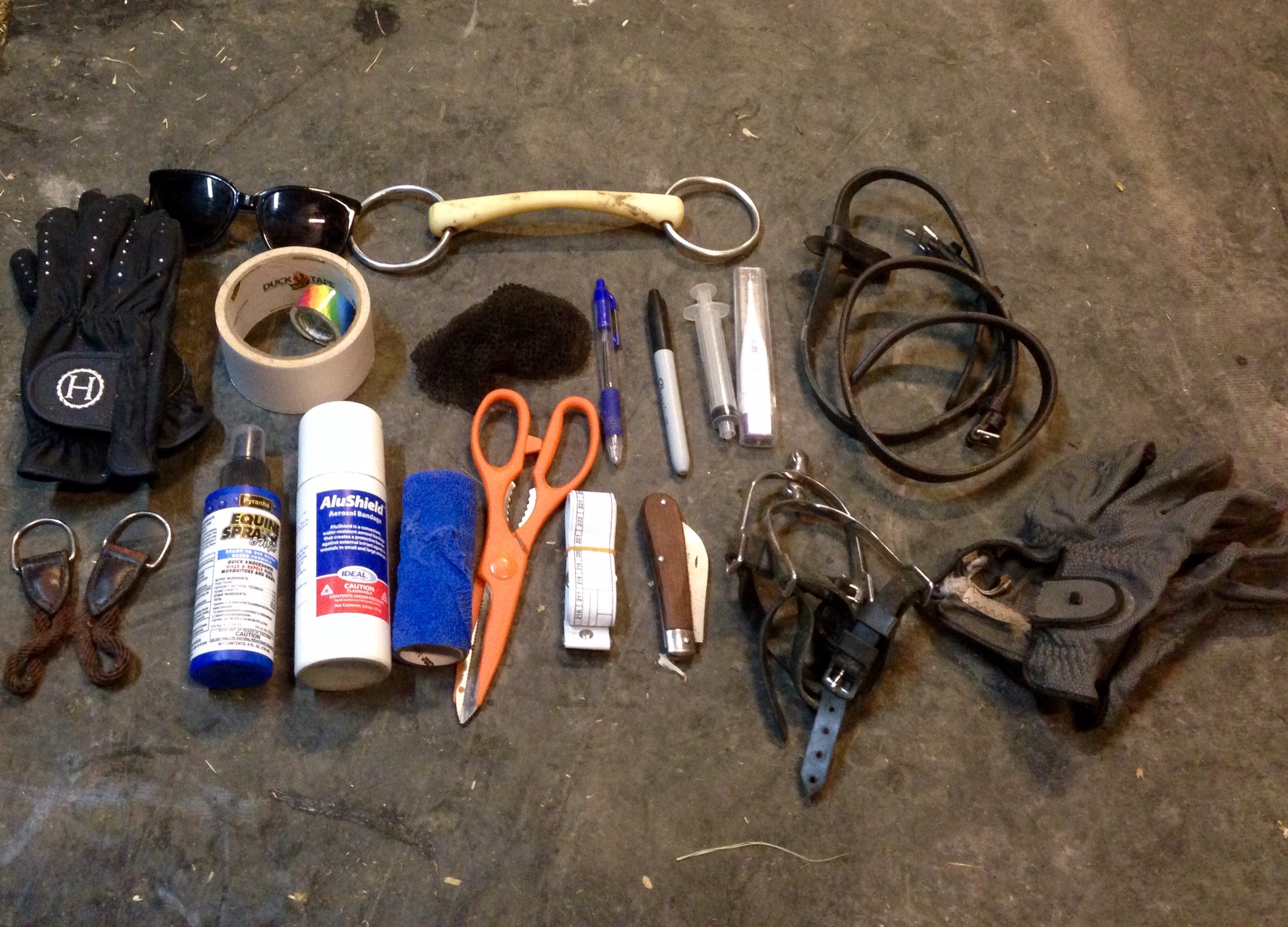
the Roeckl gloves that Henry destroyed yet I can’t make myself throw them away (RIP my friends)
black and brown flash attachments for my PS bridles
thermometer
syringe
Sharpie
pen
extra hair net (I have hair nets stashed everywhere, it’s a major fear that I’ll end up at a lesson or horse show and not have any)
Nathe
Duct tape: regular white and thin rainbow tie-dye
sunglasses
Dirt and Crap
Nice collection of hay and shavings that have been collecting for who knows how long. If nothing else, this little unofficial blog hop finally got me to clean out my grooming bucket.