We have had no shortage of OTTB’s around here lately. We’ve got the long-term ones, like Henry, the broodmares Vee and Peyton, past ones like Gemma, and more recent ones Freya, Argo, Tilly, and Lottie.
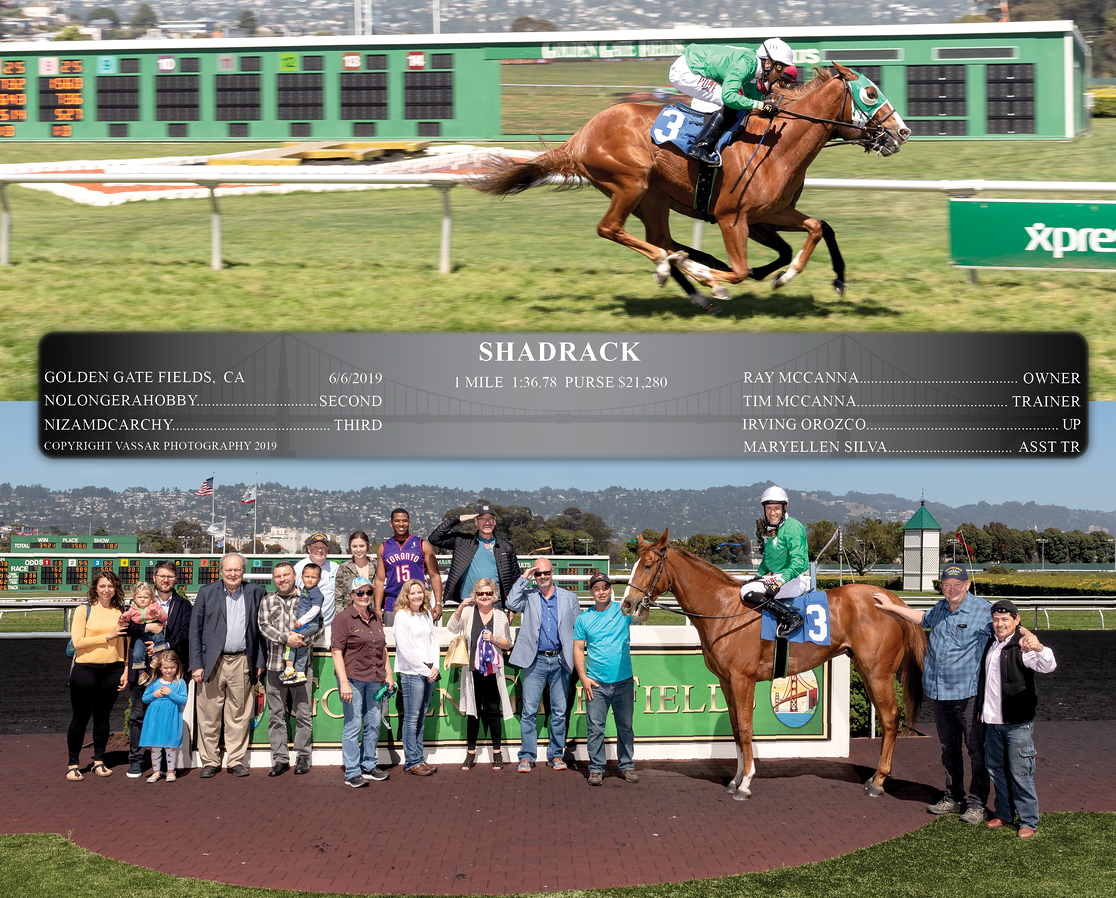
Having a few here at the same time that all came off the track within a few months of each other has been an interesting compare and contrast. From the way they act to their aftercare to what they eat to how they’re trained – they’re all very very different, and yet… similar? I think people tend to lump OTTBs in together in one big category, and in my experience with so many of them over the years, I would say that’s both true and false. True because they have similar backgrounds and have had similar jobs and lifestyles, but false because like any other type of horse, they’re all individuals.
And so are the people they end up with. I believe strongly that there is more than one road to Rome, and a lot of different ways that could work to achieve an end goal. If there’s anything we know about horses by now, it’s that there’s no such thing as one right way. If only it was that easy, this horse thing would be a breeze.
There’s kind of a perpetual argument about what is the right or wrong thing to do for a horse coming off the track. Do you put it straight back into work? Do you turn it out for a while? Does it need a slow introduction to restricted solo turnout or can you kick it right out with a herd? Do you need to do lots of groundwork first or can you just swing aboard? How “broke’ are they really?
There are people that will argue to the death about one particular thing being the only right answer, but to me the answer is the always-irritating “it depends”. I think the real skill in being a horseman is assessing the horse and understanding in which scenario you might make which decision. And of course, being open to being wrong and trying something else instead. It’s why I’m always so hesitant to want to give anyone advice. The best I can do is say what’s worked for me and my horses, but that sure doesn’t mean it will work for someone else, their situation, and their own horses.
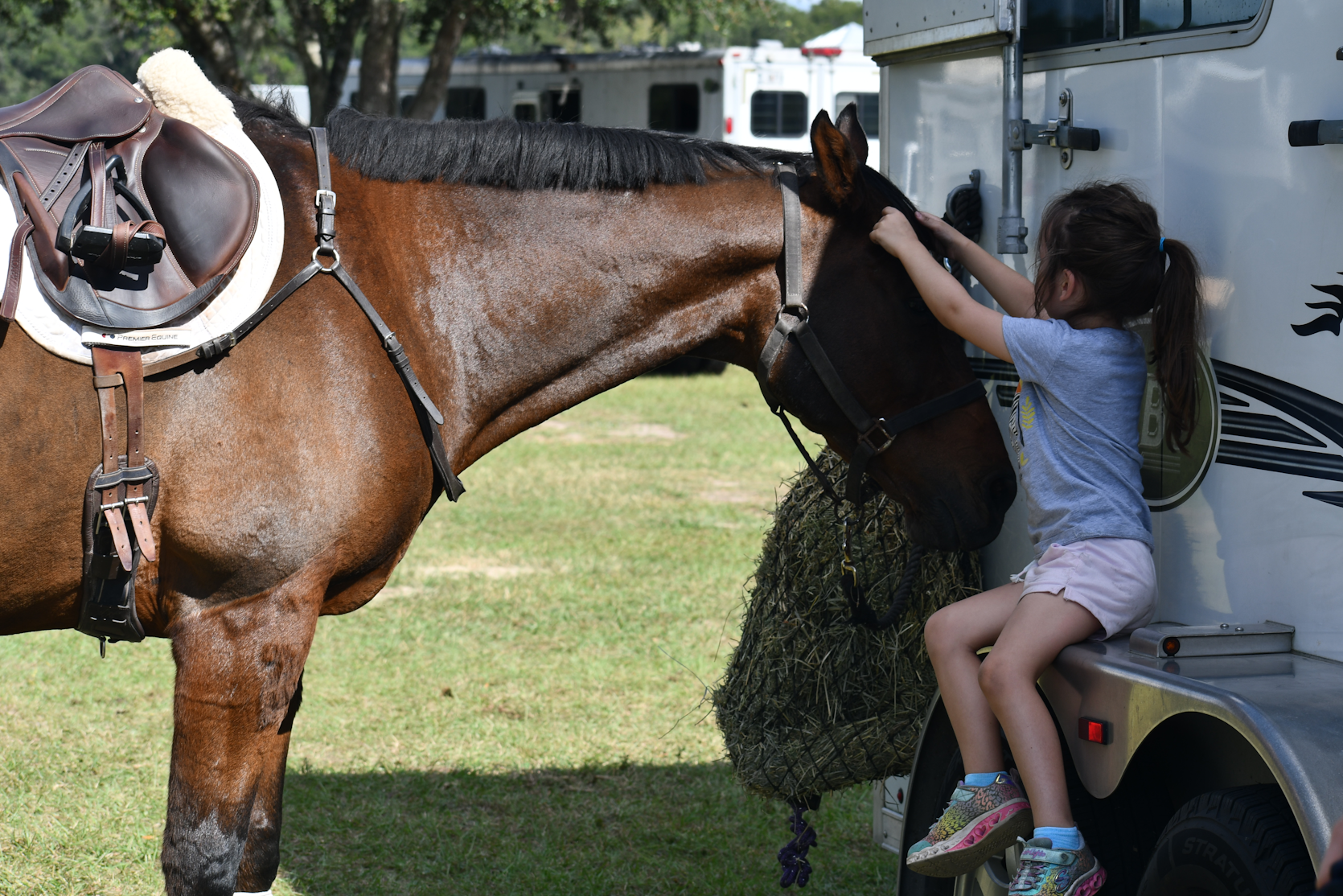
But there are a few (very few) things that have been helpful across the board to us with all of our collective OTTBs here, so… let’s talk about those things!
Training
Ah yes, let’s start with the fun part first and work our way backwards. I’m not even going to get into super specifics here except for the fact that if you don’t have a ton of experience transitioning one from track to sport life, be willing to enlist assistance. If you have access to trainers that have a lot of experience, use them. Use them a lot. From the very very beginning. Because while you think that you’re not doing anything exciting in those first several months, just trotting in circles or working on steering, what you’re actually doing is re-installing new basics. Really important ones that the horse’s entire sport career will be built upon.
If you don’t have quick and easy access to good in-person help, there are other tools you can use to get you started. Y’all know I’m a big fan of Ride iQ. While I’ve mostly used and talked about features like the dressage test read-throughs (one of the motivating factors behind me scheduling that lesson with Peter Gray!), the conditioning schedule workshops, and the member video reviews (I’ve done a couple of those now, actually, it’s always fun to get a new perspective) there is actually quite a bit of content that could be helpful to someone with a horse that’s recently come off the track. There’s a whole “first 60 days” guided program geared specifically for OTTB’s, in fact, that I found to be a great addition/guidance.
and they’ve got a ton of OTTB resources and rides that are suitable for early-stage OTTB as well as continuing education up the levels. If you want structure and direction, these are a great way to achieve that. You might not have someone physically on the ground in your arena, but having them in your ear is the next best thing. After the basic first 60 days program, if you’re looking for other ideas, I think the 6 Weeks to Show Ready program is a good building block.
Even if you DO have the benefit of regularly scheduled professional oversight/involvement, there’s (IMO anyway) tremendous value in maintaining guidance in between lessons or training rides, or even maybe just hearing a different perspective or trying a different technique.
Another perk of Ride iQ, aside from the guided audio rides, is that they also have a really deep library of podcasts with a wealth of information on a lot of these same topics. OTTBs are a commonly talked-about discussion, and you can hear a lot of different advice and tips from tons of people that have so much experience with horses like this. The Ask an Expert series is fantastic too, with topics from ulcers to feet to nutrition to maintenance and on and on and on.
That app is truly a wealth of knowledge for any horse owner, but particularly for someone who is tip-toeing into new or unfamiliar territory. I’ve been a member since the day it launched, and truly can’t say enough good things about it. If you want to try it out there’s a free two week trial, and then monthly membership is $29 or the annual works out to like $25/mo. That’s like… 1/3 the cost of a single lesson these days. I’m a big fan of not wasting money, but spending it in ways that are wise, and this is one of those things that’s worth it tenfold, especially if you aren’t in a regimented trainer-led program.
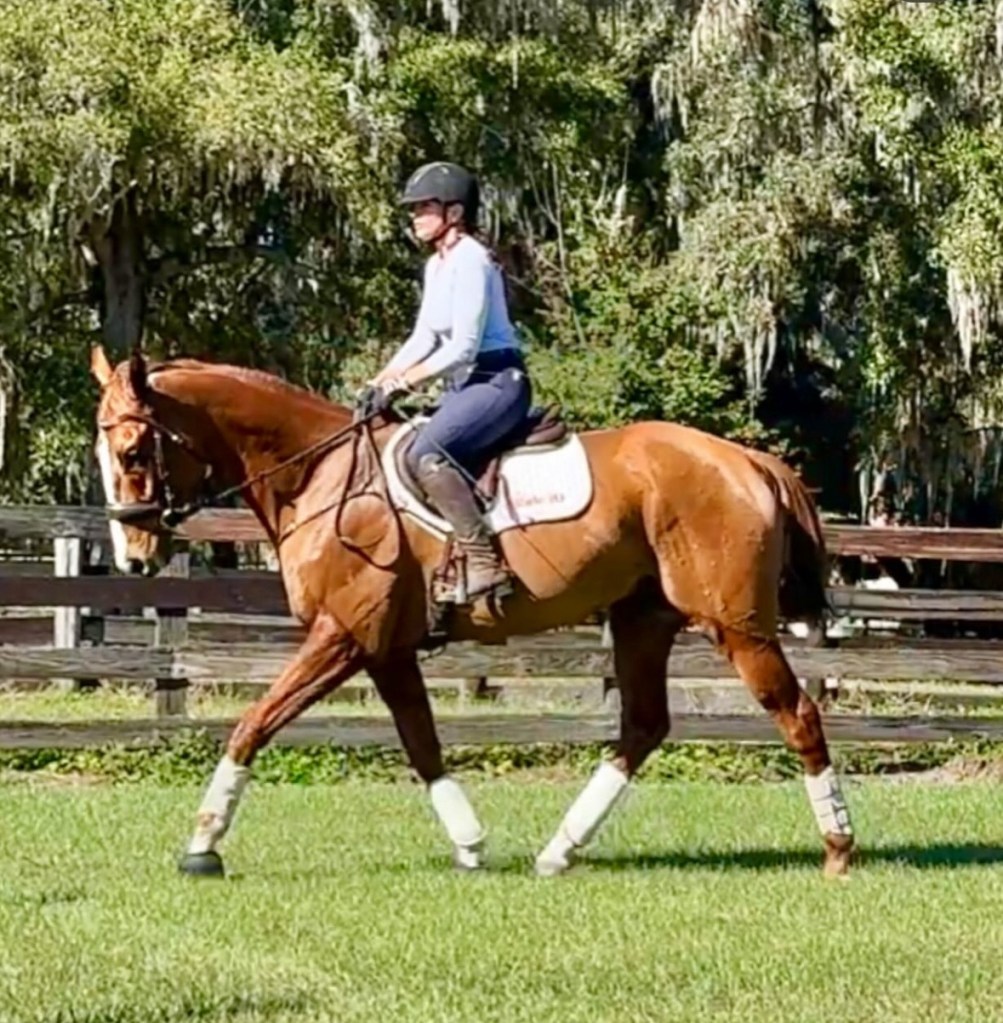
Another resource I’ve been really enjoying for the OTTB side of things is the OTTB on Tap podcast. They’ve had a few episodes that might be particularly helpful when it comes to care, or things to consider, or even how to go about picking the right horse for you in the first place. Definitely recommend giving that a listen, too!
Feed
Ok moving on to the less fun parts… the topic of feed is one of those things you hate to even talk about because it’s guaranteed to start an argument among the masses, but in general: you have to be prepared to feed them as much as they need of whatever they need. If you’re used to easy keeping quarter horses or warmbloods, it may seem like a TB needs to eat a lot in comparison, especially one fresh off the track. You’ll come across one every once in a while that is a very easy keeper, or one that doesn’t do a bit of a regression in their condition as they transition from a race diet to a sport diet (that can be alarming if you aren’t prepared for it) but those are less common. Especially in that first year or so when they first transition to sporthorse life.

It also depends a great deal on the quality of your pasture and forage. Some horses do better on a higher alfalfa diet, some do better on a grass hay diet, some need a lot more fat than others, etc etc. And you’ll see some people say that they feed all of their horses exactly x, y, z things and it works perfectly for all of them… if that’s true, great. But then one will come along and prove you wrong. We all know it. Horses thrive on proving us wrong.
Right now for instance we’ve got one that really only eats alfalfa and requires a lot of it. Another is grass hay only. The others eat a mix. One puts on weight like crazy as soon as the spring grass comes in. One of them eats 3 times as much grain as another one. A couple get extra fat via flaxseed oil. Some get soaked alfalfa cubes, another won’t eat anything that’s remotely soggy. Horses gonna horse. Don’t be afraid to play around as needed to figure out what works best for your horse, and be open-minded to changing things or feeding more than you normally would. Going from a high starch, high calorie, sugar-infused racehorse diet to something typically high fat/fiber and lower starch is going to be an adjustment for their body… keep that in mind.

Feet
A good farrier that has experience with transitioning OTTBs to sporthorses is going to be an absolute lifesaver. Many (not all, but many) racehorses are shod very very differently and with a different hoof balance than sporthorses are. Having a farrier that 1) understands what changes need to be made 2) knows how to make those changes gradually in a way that helps the horse rather than hinders it, is critical.
If you’ve got one with particularly interesting angles or something suspicious, getting farrier view x-rays right from the beginning is never a bad idea. It will show you what’s really going on inside the foot and help your vet and farrier make the right choices to get those feet trending the right direction. I think a common mistake too is to pull the shoes off the horse right away without really considering how fair that is to the horse based on the foot it currently has, your footing, and what you’re expecting it to do. Give it time and the proper support. No hoof, no horse.
Ulcer care
Listen, none of us want to hear it but the reality is that most horses have ulcers. And the more stressful their life is, and the harder they work, the more likely it is that they’ve got them. I mean really, even pasture puffs can have stomachs that you wouldn’t believe. You should expect to treat any new horse for ulcers, but especially an OTTB. They’re going from a high-stress but familiar life, to a different and thus still stressful one. Help them out and set them up for success.
I also think that scoping before treatment is very very very highly recommended if you can at all manage it. We have scoped all of ours, and all of them have had different types of ulcers and/or presentation that changed the necessary treatment (length, dosage, and medication). It’s all fine and good to throw Ulcergard at one for a few weeks and hope you accomplished something, but the truth of the matter is that you have no actual idea unless you look. Those meds are expensive as hell, spend the $300-400 up front to do the scope and actually SEE what you need. At least then you can be certain about the medications you’re buying.
For instance, we’ve had horses on Ulcergard/Gastrogard, Miso, Sucralfate, and Nexium, or some mix of those, and for various amounts of time. I wouldn’t want to be throwing sucralfate at an ulcergard problem, just like I wouldn’t want to be throwing ulcergard at a miso problem. If at all possible, just scope the horse first.
The age old question: to let down or not to let down?
This is another fun one that people like to be 100% dead set on and argue about. Is it best to get the horse off the track and turn it out for a few months, or to transition it straight to work? IMO it’s another one of those “it depends”. I’ve done both. Some really need time and space to mentally decompress or physically unwind. Others will make seriously bad life choices if you take away their daily structure and work routine.
While it’s true that just chucking a horse out in a pasture can heal a lot of physical and mental ailments, it can also be worse for others. To me it’s one of those things you have to use your critical thinking skills with, and then be willing to change your mind depending on how things go.
Which is… kind of the summary of this entire post, isn’t it?
 breedrideevent.com
Amanda… I see a book in your future. You always offer well researched, fact based information. This was a great topic for me. OTTBs are becoming so popular again for second careers. I know there are several books out there about OTTBs, and I have bought most of them. I just think you have something more to contribute!
LikeLiked by 2 people
I second that 🙂 Thanks for always sharing your knowledge here! Like you said, every horse is different but it’s very interesting to get a peek into what other owners are doing, trying what works, what doesn’t etc..
LikeLike