
If you want to show in Texas, you learn pretty quickly how to deal with long trailer rides. It’s 2 hours each way just to get to a lesson, 2-6 hours each way for a recognized event, and then of course if you want to show out of state, you have to drive between 6 and 10 hours in any direction just to cross the state line. There’s nothing wrong with sticking to the shows in our area, which are great, but we’ve only got 4 venues in the entire giant state of Texas that put on events. Sometimes you just find yourself needing a change of scenery.
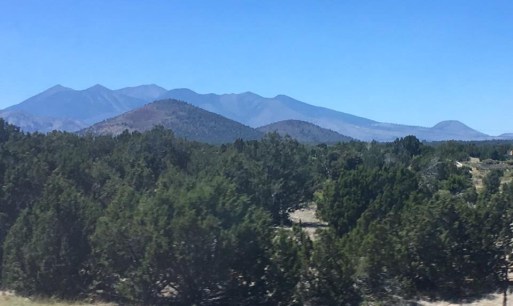
Our summer pilgrimages have become a bit of a thing by now. I don’t think anyone will ever succeed in talking me into going to Chatt in July ever again, but Coconino hasn’t let me down yet. It’s fun, it’s pretty, and the weather is amazing.
Of course, to get anywhere worth going, especially in the summer, we’ve got to drive at least 14 hours.

The hardest part of these long trips is getting the horses there in the best possible condition, feeling good and ready to show. This year’s trip is the first time that I felt like I’ve finally really and truly dialed in the best way for Henry to travel long distances like this. Before I dive into what we did this time, what’s worked for me, and what hasn’t worked for me, I have to put up a big disclaimer: every horse is different. What works for some doesn’t work for others. Some like riding a certain way, some need special care, some get more stressed than others.
Here are the main points I’ve learned when it comes to me and my horse:
Start gut support several days in advance. Because nobody needs ulcers, and travel is just about the biggest stressor there is for a horse. I’ve done omeprazole paste in the past, but this time I tried the ranitidine powder that my vet has compounded. We started it before we left and he stayed on it for the entire trip, it was easy to administer, and it seemed to work great.
Break up the trip. We did this our first time going to Coconino too, because 16 hours (which really ends up being 17+ with a trailer and gas stops) driving straight through is awful. I know because that’s what we did coming back from Chatt last year, and I will never ever ever do it again. My horse was miserable and so was I, both mentally and physically. Somewhere around 8-9 hours per day is the point at which we both seem ready to be done driving.

Take the weather into account. Most of the drive to Coco was HOT. The trailer has good ventilation and fans (Henry finds those to be vital in the summer), but still… roasting them all day isn’t ideal. Both mornings we left at the crack of dawn so that we could get most of the driving out of the way before the hottest part of the day.

Keep them moving. Some people like to stop every 4 or so hours and walk the horses around for a while, but that’s not always possible or safe, especially with young horses and remote highways. Since that wasn’t an option, we took advantage of arriving at our layover location early, let the boys settle in for a few hours, then got on to take them for a long walk. They got to stretch, clear their lungs and noses, and get everything circulating again. It really seemed to help, Henry arrived feeling REALLY good in his body.
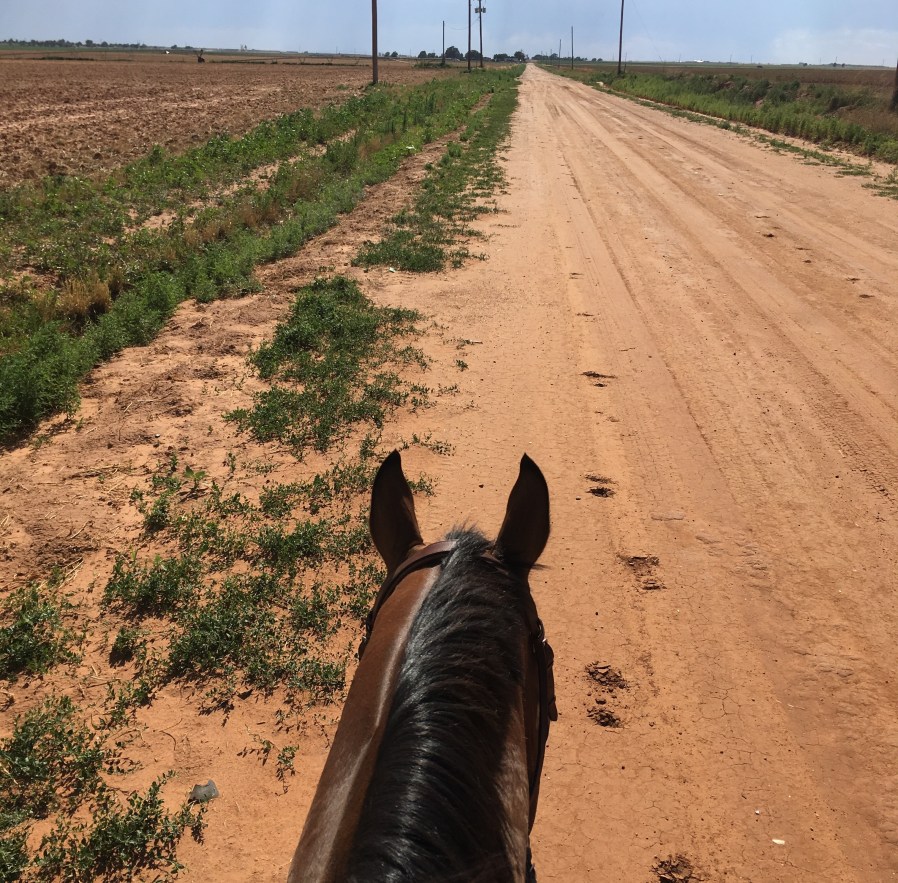
Control the dust. Maybe I’m hyper-sensitive about this after spending years traveling with Halo, who was very prone to pneumonia, but I always soak the hay and wet the bedding to keep the dust down in the trailer. Shipping fever is one of the bigger risks with a long haul, so the more you can do to keep their airways clear, the better. If you can, pick the poop out of the trailer at your stops, and check to make sure the horses are getting good ventilation. Another big part of it is making sure that they’re able to lower their heads enough to clear their airways as needed.
Know your horse’s preferences for comfort. I learned last year that my horse does not haul very well over long distances in a slant load. He was incredibly sore on his bracing leg for days after we got home. Some horses are the opposite and prefer to lean their bodies against a slant wall. You might not have an option, but knowing how your horse rides in that particular trailer will help you tailor the trip accordingly.

Be prepared. This includes everything from making sure your truck and trailer maintenance is up to date, to having spare tires, to carrying a first aid kit, to ensuring that you have the correct paperwork for travel. If you’re worried about truck or trailer problems, a USRider membership might not be a bad idea either. On this trip, for the first time ever for me, we got stopped in New Mexico and asked to show our horses’ health paperwork. Make sure you keep your coggins and health certificate on hand. I had forgotten to print hard copies and had to pull mine up on my phone, which was fine, but hard copies are easier.
Make a plan. In addition to finding a good layover facility, it’s not a bad idea to figure out if there’s a feed store near your destination(s) that carries the same feed and type of hay that you typically use, as well as basic supplies. You don’t want to change anything with your horse’s diet while you’re traveling, but if you can get the same feed there, sometimes it’s a lot easier to just buy it upon arrival rather than haul weeks worth of stuff along with you.
Provide plenty of water. I always pack water from home, since the horses are more likely to drink water that smells and tastes familiar to them. In the past we’ve offered water at stops (and Henry almost never drank), but this time we tried something a little different and hung buckets from the center dividers and kept them about 1/2 to 3/4 full. They didn’t slosh, and the horses actually DRANK! The last day especially, when we were getting into the hotter areas, both horses drank a full bucket during the drive. If you have a horse that is a particularly bad drinker you can add water to their regular grain ration to help get a little bit more hydration.
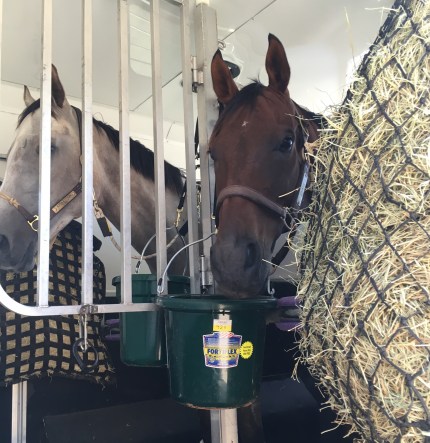
Use each stop to assess, and make changes as need. Every time we stopped for gas I opened the escape doors, checked each horse for injuries, made sure they weren’t too hot, gave them both a cookie, checked water, etc. The stops are a good time to see how the horses are traveling, see how the ventilation is, and open more doors/windows if needed. If you have trailer cameras (my favorite invention ever and worth every penny) it’s pretty easy to keep an eye on all of those things constantly, but if you don’t, the stops are really important and your best opportunity to get ahead of any potential trouble.
Really though, I think the most important thing is knowing your horse. Know how they prefer to ride, know what they might need help with, and be ready to provide them with extra support if needed. With the right kind of management and good plan, it’s entirely possible to make long trips without putting a lot of stress or wear and tear on your horse. This trip Henry traveled the best he ever has, and arrived each day feeling super fresh, happy, and loose.
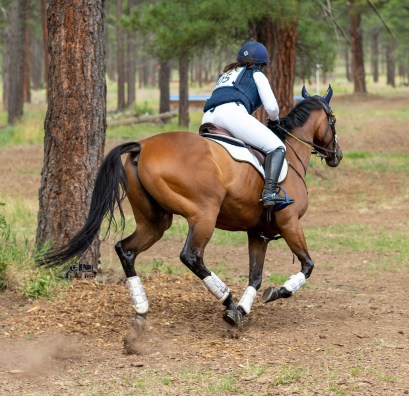
I’m sure there’s more I forgot to mention here, but these are the main takeaways I had, anyway. Making such a long trip can be really daunting, but with a little bit of thought, preparation, and good management, it can go just fine.
What are your favorite tips and tricks for hauling long distances? Or, if you haven’t made one before, what are your biggest concerns and hesitations?













 breedrideevent.com