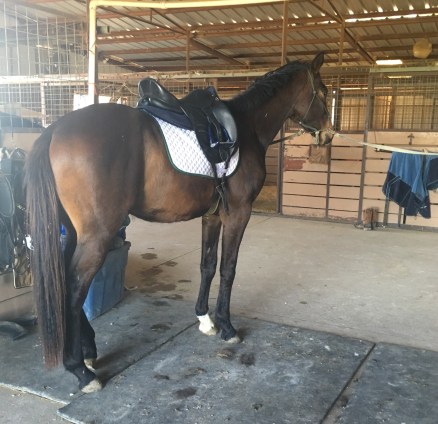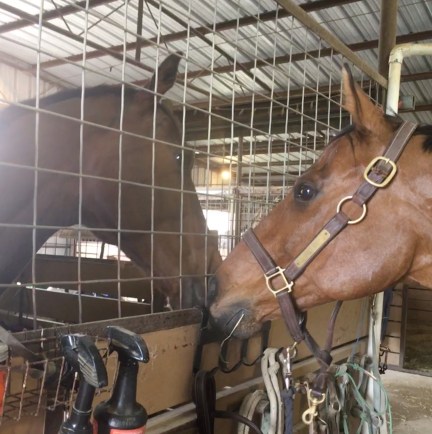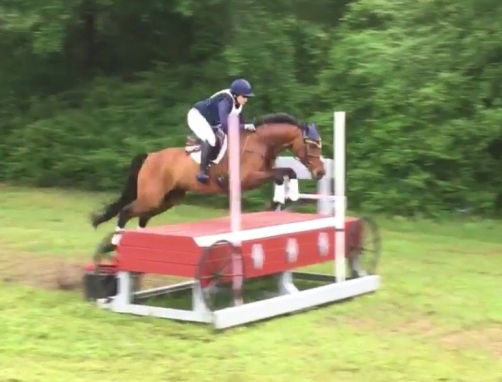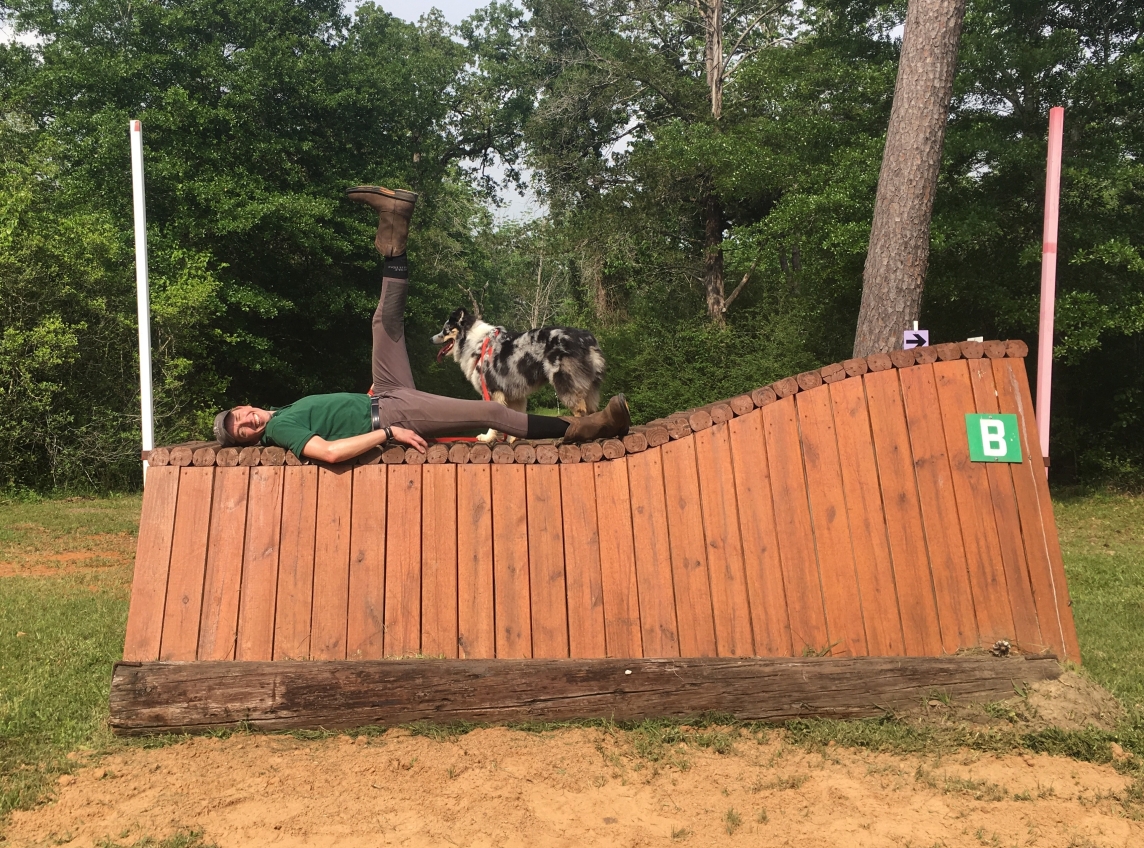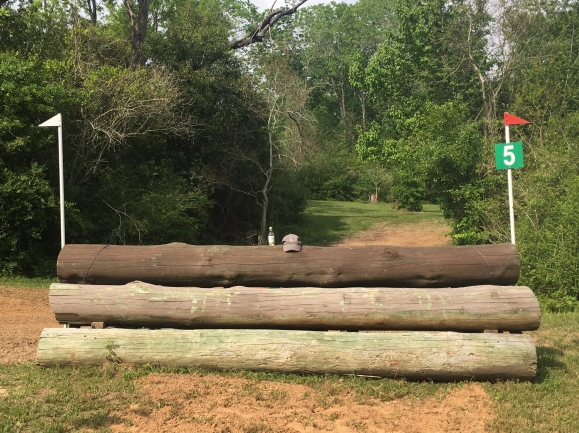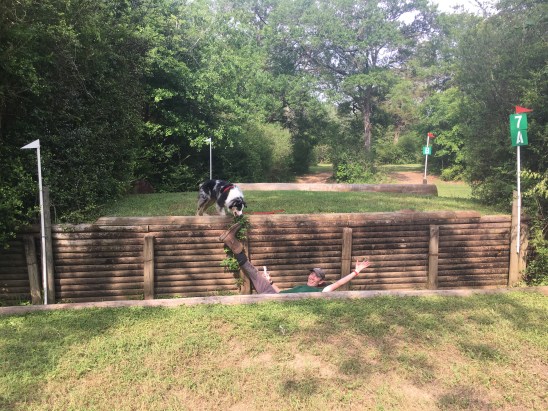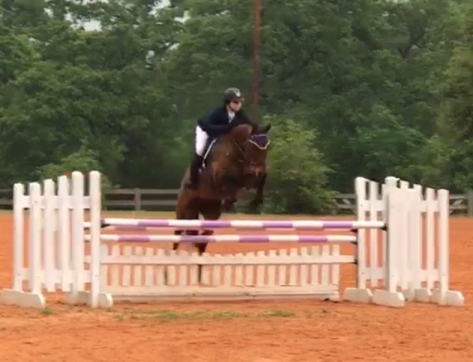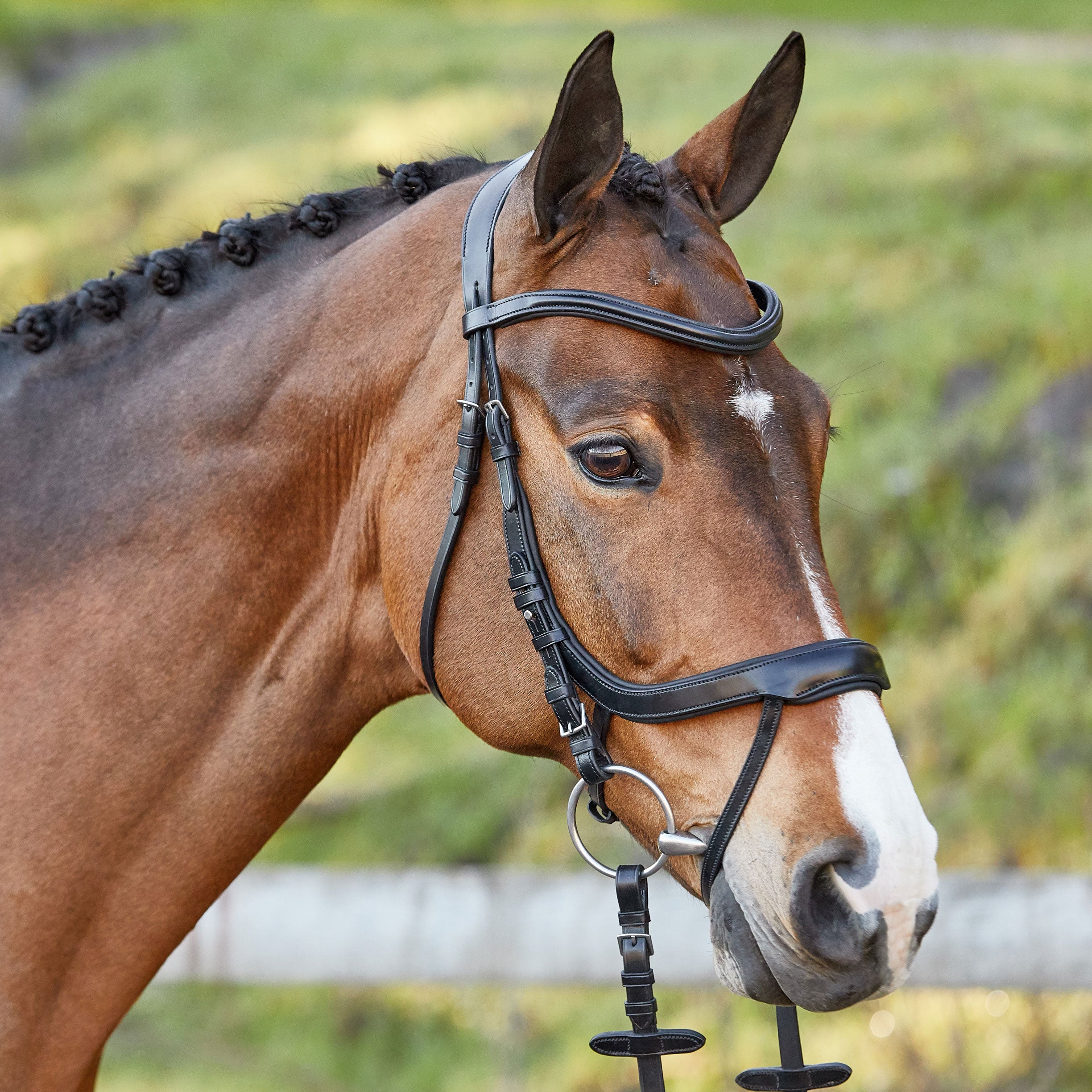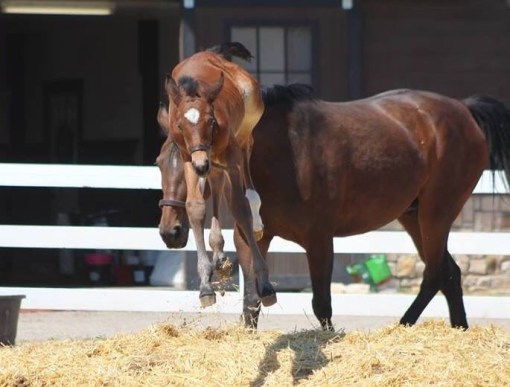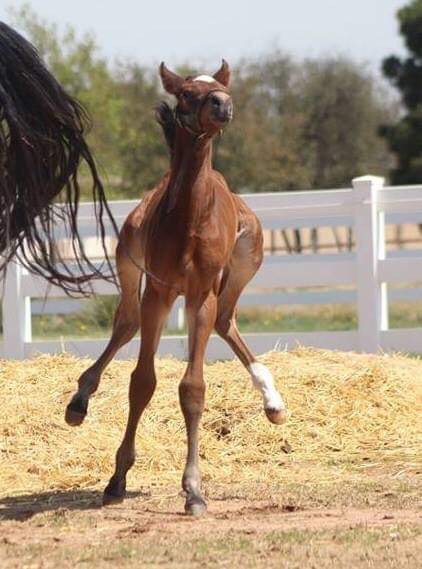
If you’ve read this blog for very long, you probably know that I’m really really really really (add like 200 really’s here) into horse fitness and conditioning. It is fascinating, and I think that it’s one of – if not the – most crucial aspects when it comes to enhancing a horse’s soundness and overall ability. I knew the basics, from way back in my working student days, following all the written notes for the conditioning rides on the 2* and 3* horses. Which, to show my age… back in those days eventing was still long format. I never really spent a lot of time thinking about it in depth, though, until Henry and I were getting ready for our N3D in 2016.

My horse is a little bit of a special case in that we know he has scar tissue in his lungs that makes it harder for him to get enough oxygen, especially when it’s humid. In 5 years of experimenting with the horse, the only thing I’ve found that helps him is to keep him really fit at all times. When we showed up at Coconino for that N3D 3 years ago, I basically had a horse that was Prelim fit. But given his issues, and the fact that it was summertime, and that we were showing at pretty high altitude, it seemed better to err on the side of too fit than not fit enough. It worked out well, and I’ve adopted the same approach ever since. He doesn’t need to be as fit as a 3*+ horse, obviously, but I try to always keep him a little fitter than he really needs to be. The fitter he is, the more sound he has stayed, too. He’s stronger and finds all of his other work to be much easier. Everything is better when he’s fitter.
Figuring out where to start can definitely be mindboggling. There’s a lot of good information about conditioning programs on the internet (I’ll put some links at the bottom of this post), among different videos and articles. I think those are a good starting point, but I also think it’s super important to have a professional who knows your horse well to weigh in on it too. Some horses hold their fitness better than others, some breeds and body types need more than others, some horses can’t mentally handle being overfit, while others really benefit from always having plenty leftover in the tank, different climates can mean different needs, etc. So you’ll never see any kind of “how to” or specific suggestions from me, since I think the right answer can vary widely. I still to this day always run changes by my trainer first, to get her opinion. She’s more experienced than I am, after all, and her thoughts matter a lot. The internet is a good starting point, but nothing you find will be a one size fits all.

I will say that there are a lot of things that I think are important when it comes to this whole fitness thing. 1) Knowing your horse’s TPR. You have to know what’s normal in order to gauge how fast they’re recovering and thus, how fit they are. 2) Varying the work. If you think I spend a lot of time galloping, you’d be wrong. I minimize the pounding as much as I can by varying the different type of fitness work that we do. 3) Strength is very important too. A horse that does all it’s fitness work on perfect, flat footing doesn’t do you much good when you get to the show and encounter lots of terrain or harder/deeper footing. Hills, polework, and varied surfaces are your bestest friends. Think of it as cardio vs weight training – each compliments the other. 4) There’s no way around it: a fit horse requires a lot of riding. 5) Recovery and aftercare – learn it. Do it. If you want a sound horse you have to figure out how to maintain it.
Figuring out Henry’s TPR and what’s normal for him was an interesting learning curve in the beginning. Because of his lung issues (and seasonal allergies on top of that, which just exacerbate his breathing problems) his respiratory rate is always the first thing to go up and the last thing to come down. It can be a bit deceiving, because he’ll get to puffing pretty hard sometimes, especially when it’s humid. It took me a while to learn what was normal for him in that regard, and I really had to go more off of his temperature and heartrate. It’s entirely possible for his respiratory rate to still be quite high while his temperature and heartrate have already returned normal. This is why I think it’s so important to know your horse.

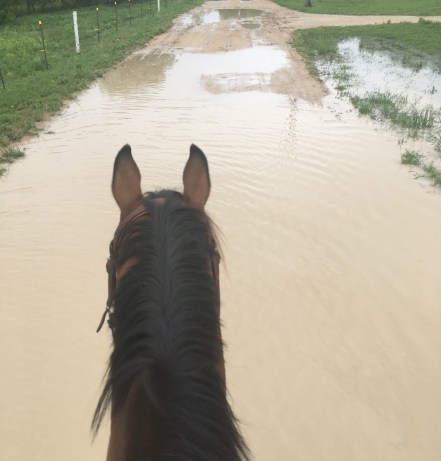
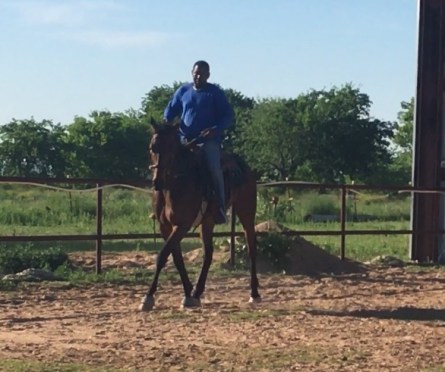
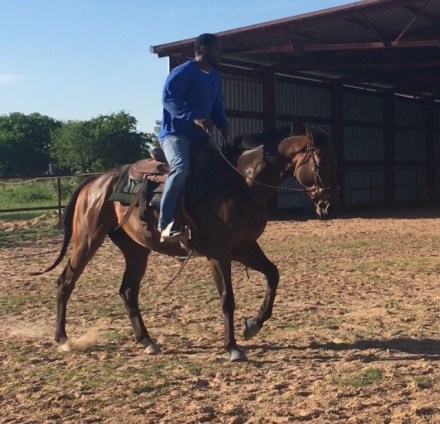
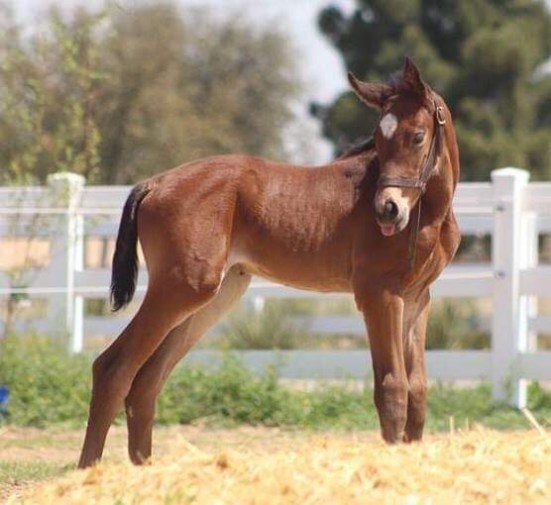
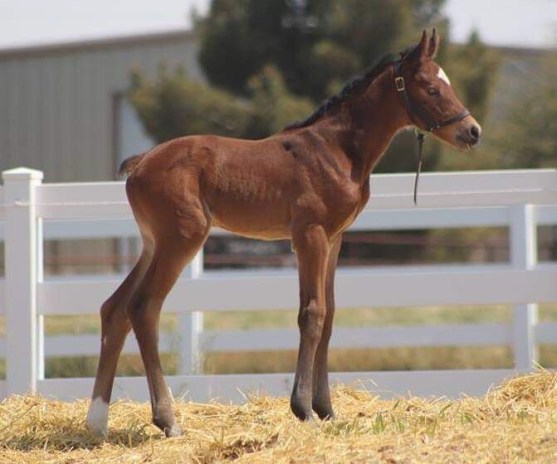
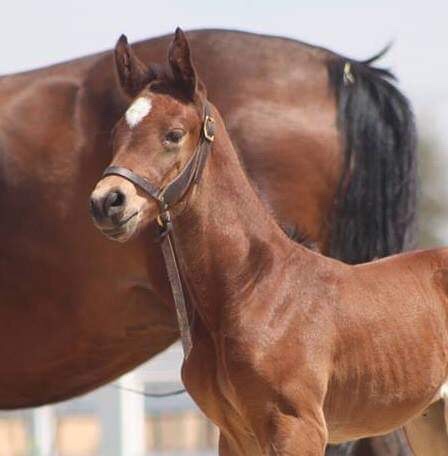
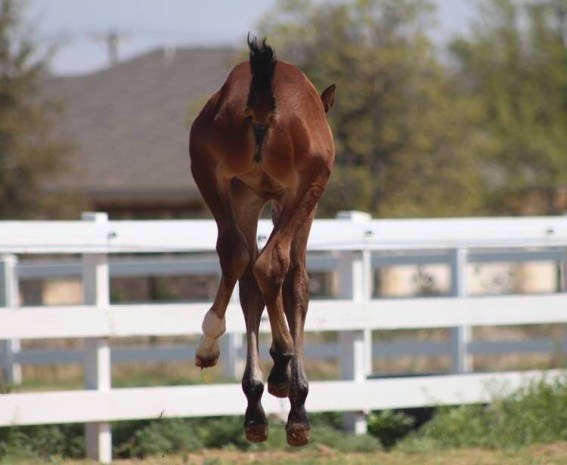
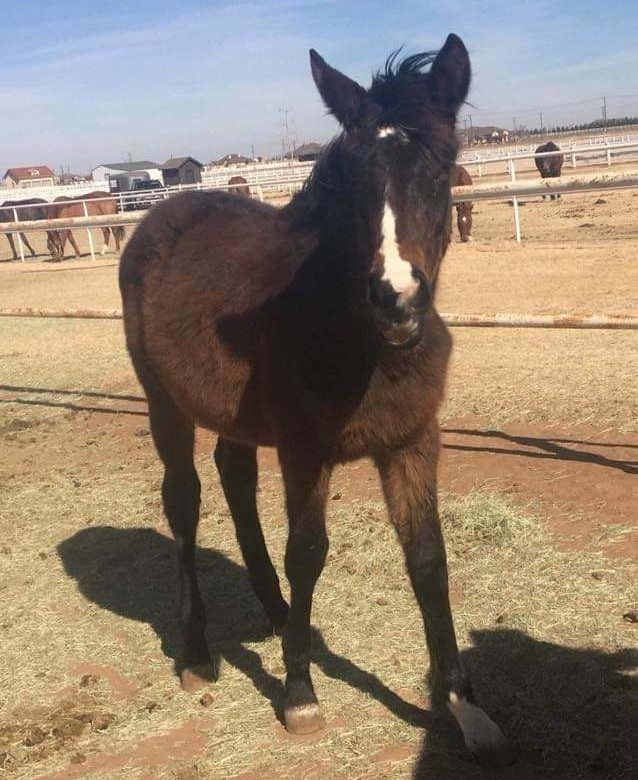
During the hotter times of the year (or if, like last fall, it will not stop effing raining), I really maintain Henry’s fitness almost exclusively with long trots and really long walks. The ground gets too hard to gallop much, but it’s still possible to maintain a pretty high level of fitness just with walk/trot work. Of course, when I say that I mean 35-45 min long-trots, at a forward pace, working (not bumming around with his nose up in the air) or 1.5hr marching walks (again, forward pace and working over his back). I have become a big believer in the long slow fitness work as being absolutely crucial to a horse’s overall base fitness and soundness. You can bet that Presto will be spending a lot of time going on long walk and trot hacks before he ever starts formal work.
I also ride at least 6 days a week, which has a lot to do with keeping him fit. I’m always on him for a minimum of 30 minutes, and sometimes up to 2 hours. I’ve learned by now the best way to vary his schedule to work best for Henry. I never do fitness days or jump days (the two most physically stressful) back to back, or after a day off. I never do intense dressage rides (the most mentally stressful for him) two days in a row. During show season I plan his work around the show days, since a show day counts as a fitness day. He does get an extended vacation for about a month in the summer, but still goes on long walk hacks at least 4 days a week during that time. This horse stays soundest when he stays moving and stays strong, so he gets ridden a lot… I’m just careful not do to too much physical or mental pounding.

I always walk for at least 10 minutes before we start any work, which I think is super important to warm up the soft tissue. I also walk for a while at the end, to let him cool down appropriately while he’s still moving. Sometimes on dressage days or polework days I’ll tack on a 10-15 minute hack at the beginning or end of the ride to get more saddle time logged too, if for some reason we’ve come up a bit short that week or if I’m trying to ramp things up. Expanding the fitness can be an everyday thing, it doesn’t just have to be limited to specific days.
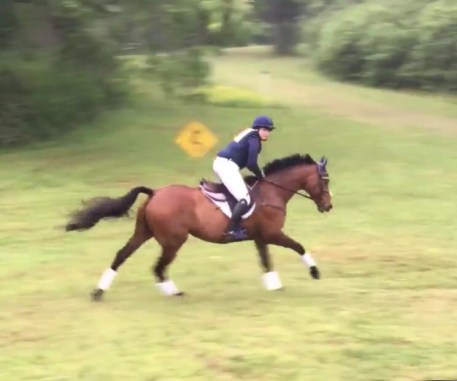
We do a lot of hill repeats, and our fitness work all takes place in a hilly field. Sometimes I use my Seaver to monitor his heart rate (which was really helpful when I was first playing with it) and I’ve got my timing down to a science by now. When we do gallop I will vary the speed a bit, sometimes only 375-450mpm and other times more like 500-550mpm. It depends on the footing and what we’re doing. Learning to gauge your pace by feel is essential too, and something I think every eventer must learn early on, otherwise you’re always just taking a stab in the dark.

The gallop work is a lot like the walk and trot in that I don’t just sit up there and let him toodle along. We leg yield, we stretch, I’ll switch back and forth from sitting to 2 point to 3 point. I vary my rein length. I’ll move his haunches in or out. We lengthen and shorten in rapid succession, seeing how quickly I can bring him back or push him forward just from seat and leg alone. I’ll find specific shadows or blobs of grass that I want to ride over and pretend it’s a skinny, trying to get his feet to a very specific place. Part of it is to keep myself from getting bored, but mostly it’s because I always want to be working on his rideability. Just because he’s galloping doesn’t mean he gets to do it on his own terms. He MUST be rideable at speed in order to be a safe cross country horse, and he MUST do it from seat and leg, so we work on it All The Time.
Aftercare is another thing that I think can be pretty individual. I know some people that ice after anything remotely fitness-related, and other people that never ice. I personally feel like turnout is the most important factor for my horse, so I try not to do hard rides on days where I know they’ll be stuck in their stalls due to weather. Ours are out 22 hours a day when the weather is good, which is ideal to me. Movement is crucial for Henry. After a harder ride I usually cold hose his legs for a bit (which is where I take a good hard look at them to make sure there’s no filling or heat or anything out of the ordinary), do a liniment brace, and then turn him out. If the ground is hard I put some Magic Cushion in his feet. If he’s going to be stuck in his stall I’ll poultice. Everything depends on the conditions, really. There can be a lot of right answers, depending on your horse and your workload.

Since the plan right now is to run Prelim at Coconino in July (so – Prelim plus high altitude plus summer), we’ve spent the past few months ramping things up a bit. Right now he’s doing 45 minute long trots or 2 sets of 10 min trot then 4 sets of 4 minute canter with 1-2 minutes rest in between. Yesterday we did the latter and his vitals were back to normal by the time we got back to the barn (and he stood in the washrack snorting like a loon at the hose, clearly he was not tired), so I’m happy with where he’s at right now. Trainer thinks that’s plenty, and I do too, so hopefully we’re right. Soon it will be hot and we’ll switch to maintenance mode. He’s a thoroughbred so luckily he holds it pretty well.
The way I see it is, there are certain things I can control and certain things I can’t. I am very aware of the fact that every time we move up a level, the margin of error shrinks and the consequences of making a mistake get more serious. Let’s face it, I’m not always right on cross country, I don’t always make the correct split second decision. Mistakes will happen sooner or later – that’s a given. What I can control is preventing mistakes that happen because of a tired horse or tired rider. Or mistakes that happen because a horse isn’t rideable in the gallop. Those are 100% preventable if I do the work at home. I’m all about minimizing my risk wherever I can, considering that I certainly don’t bounce the way I used to.
Is anyone else as geeky about horse fitness as I am? What does your horse’s fitness routine look like?
Some useful articles:
https://www.focusedriding.com/files/CONDITIO_bn.pdf
http://mastersonequestrian.org/fitness-training-a-must-for-event-horses/
https://useventing.com/news-media/news/the-art-of-conditioning-an-event-horse