I feel like, as an equestrian, one of our main pursuits is knowing when to apply pressure and when to take it away. That can be true with anything from loading a horse in a trailer, teaching it something new, deciding if/when to retire them, or even evaluating soundness and fitness. Our lives can often feel like one big game of “do I push with this, or do I back off?”, and I’d even go so far as to say that it’s a big part of what makes a horseman versus a rider. It’s something that we all share in common, amateur or pro, across every discipline. It’s also one of the hardest things to get right, constantly trying to think from the horse’s perspective instead of our own, and something that usually takes a whole lot of mistakes before we start to get it right more often that not. And I still have yet to see anyone who manages to get it right all the time.
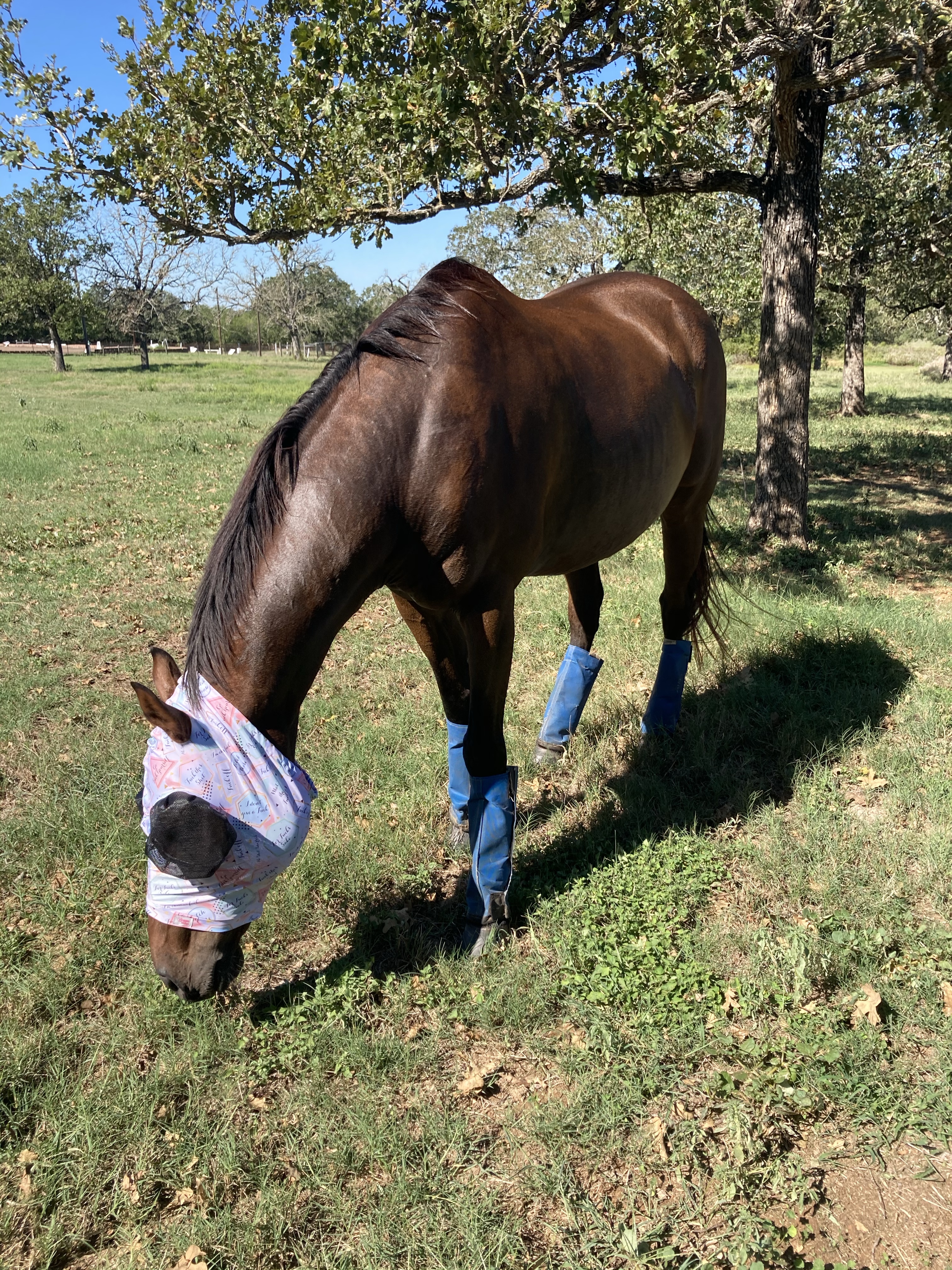
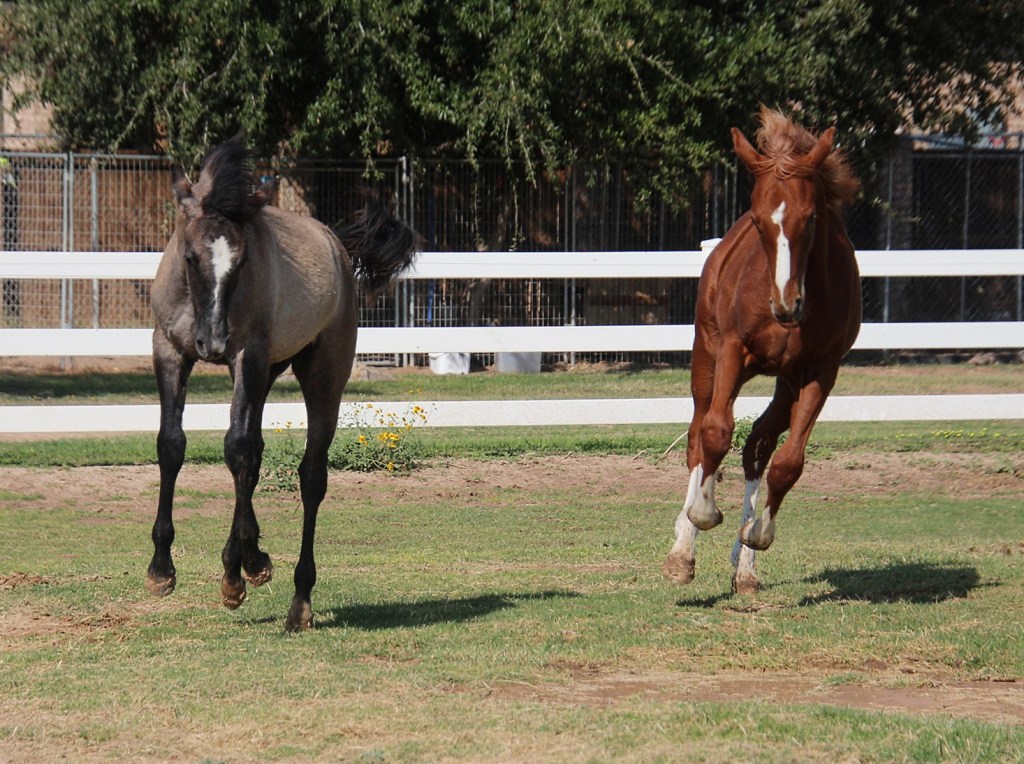
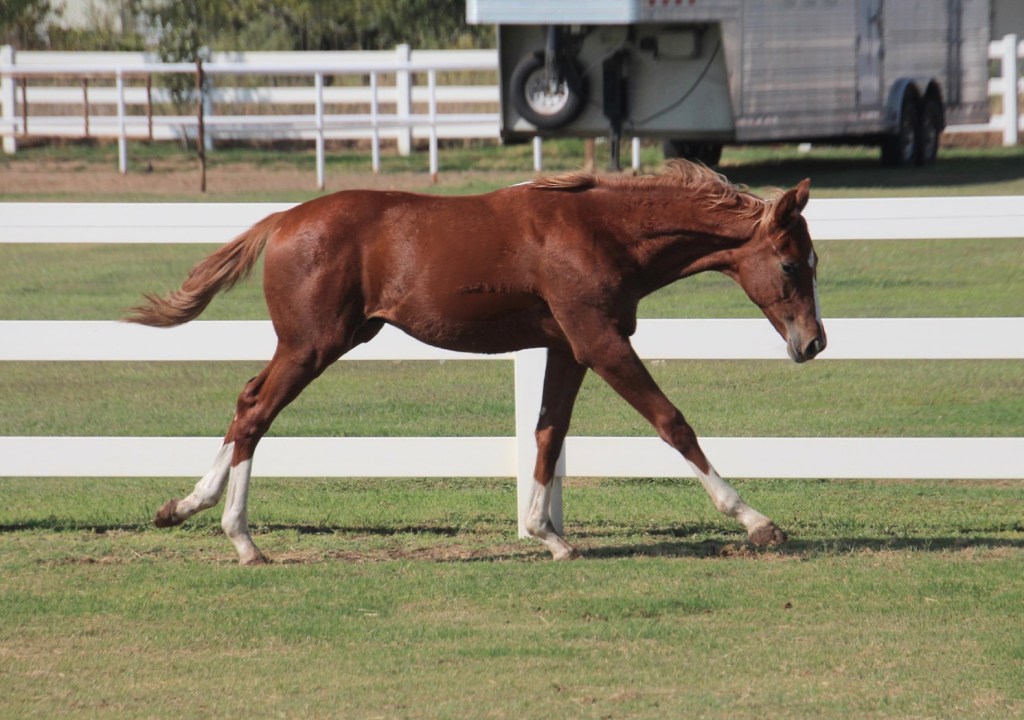
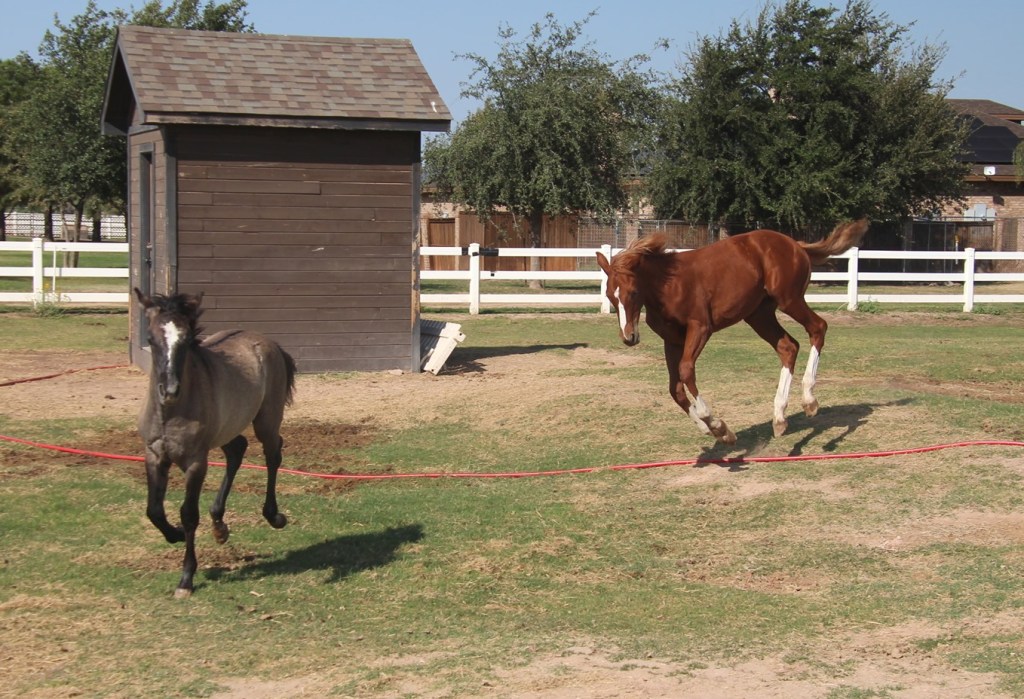
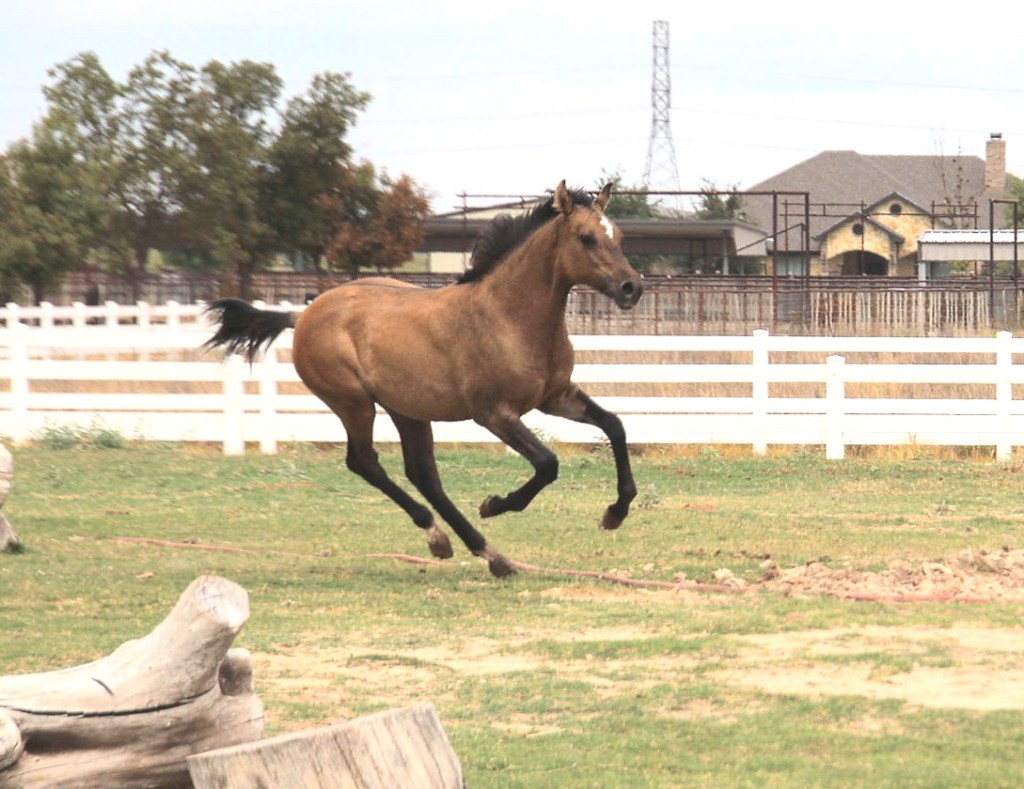
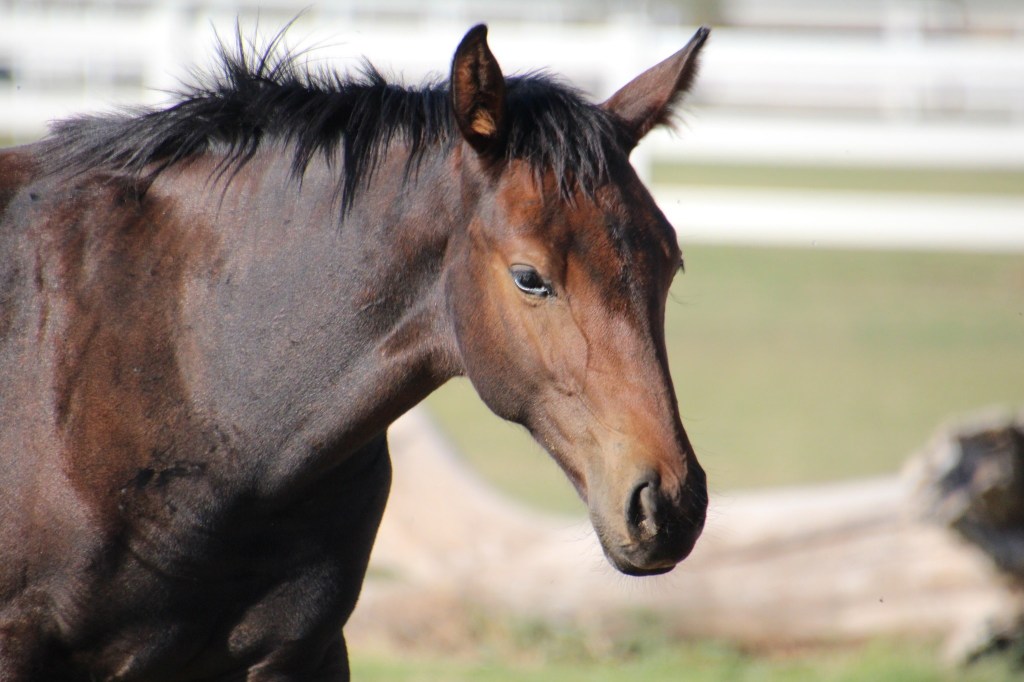
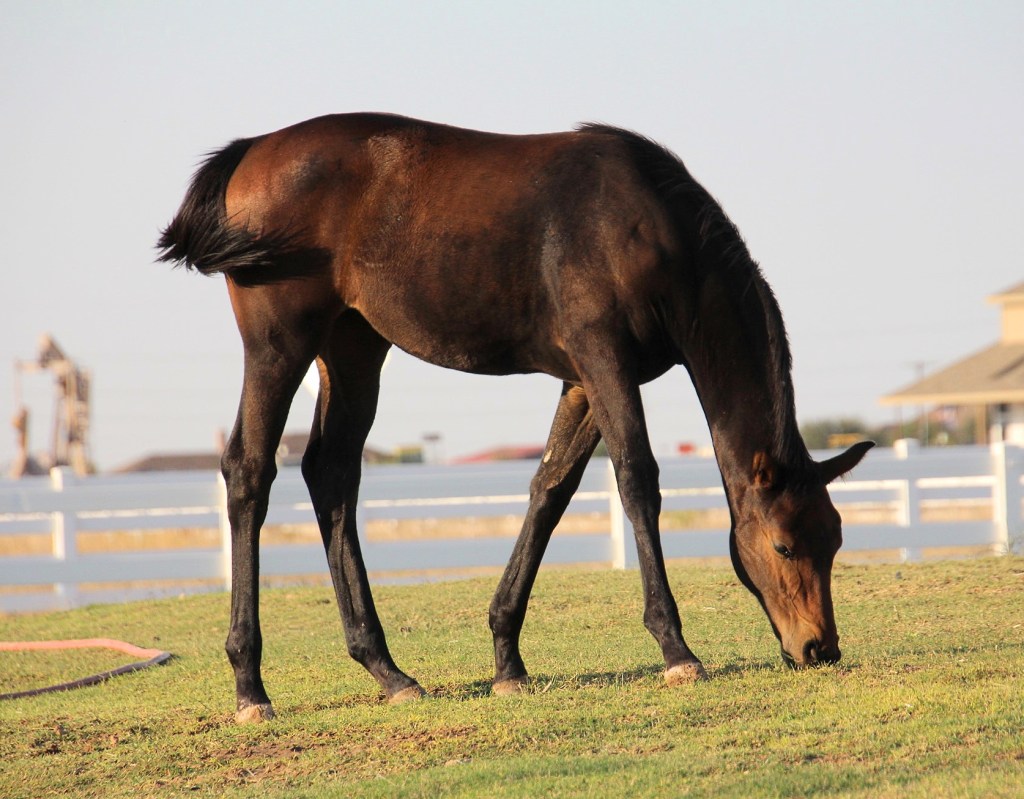
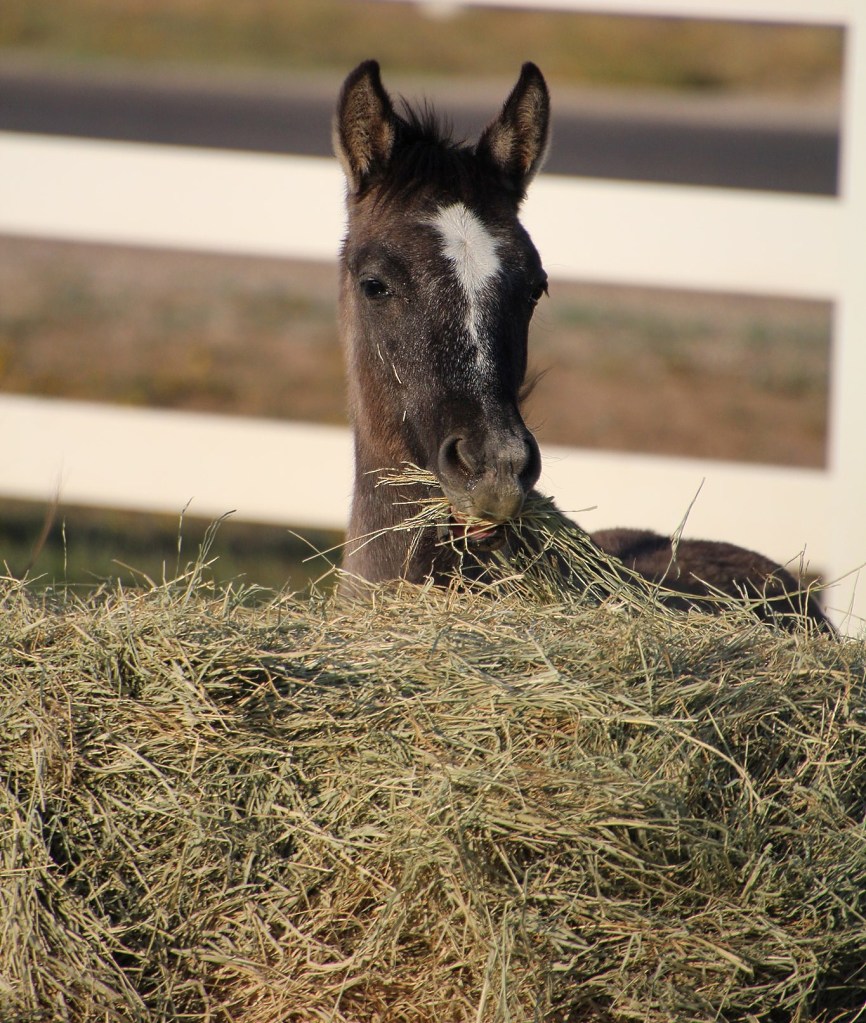
It’s something I spend a lot of time thinking about. I try not to think about it so much that I become paralyzed into indecision, but I also want to be flexible and willing to re-think and re-evaluate constantly. Horses aren’t machines, after all. I especially feel the weight of that responsibility with having such a young horse. They change and evolve so fast, and the things you do in the beginning can carry weight for the rest of their lives. Admittedly, I tend to err on the side of “When in doubt, back off”. For me it’s the bigger sin to push when I shouldn’t as opposed to not pushing when I should. There are probably those out there who would disagree, but that’s just been my own experience and preference.
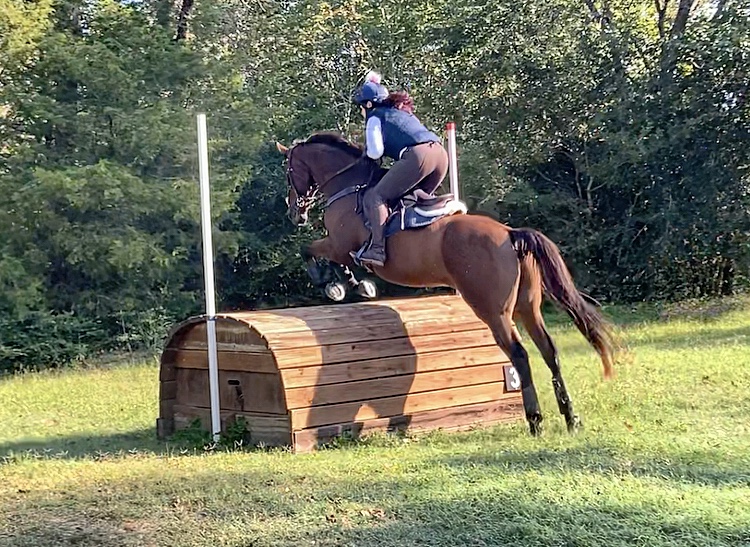
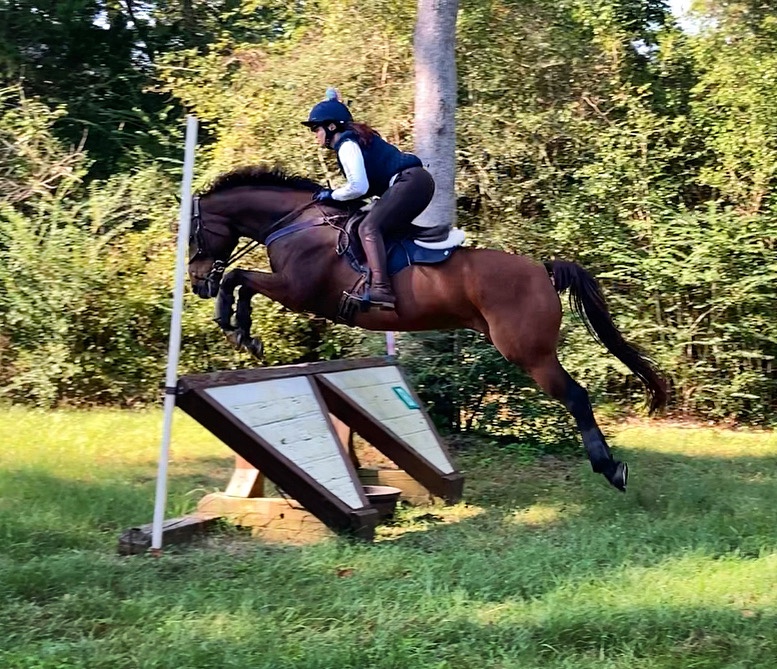
While I’m especially mindful of this with Presto, I think about it a lot with Henry too, albeit more from a performance perspective than a training perspective. The very last thing I want to do is ask too much of him, or use him up. Having a happy, healthy, sound Henry is my #1 priority, more than any riding goal or horse show or level achievement.
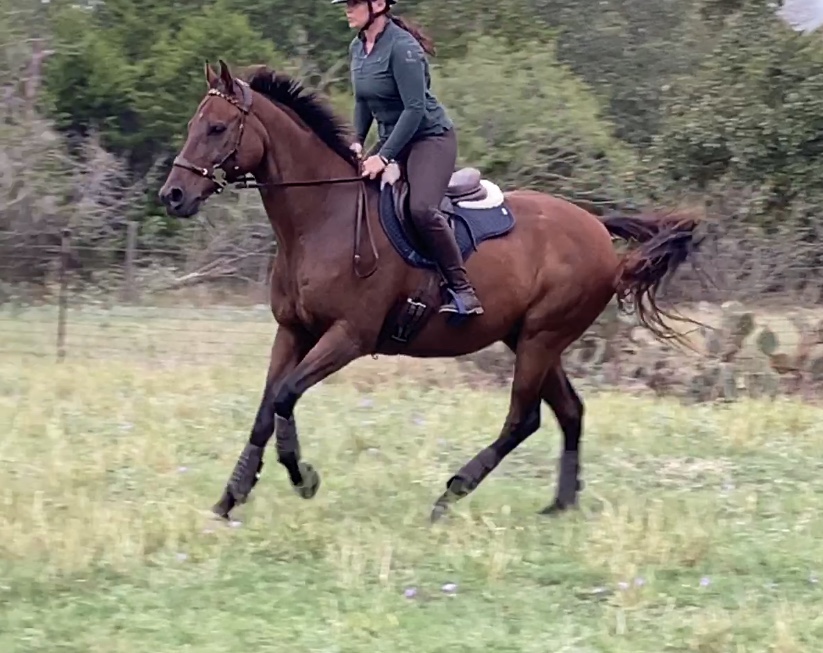
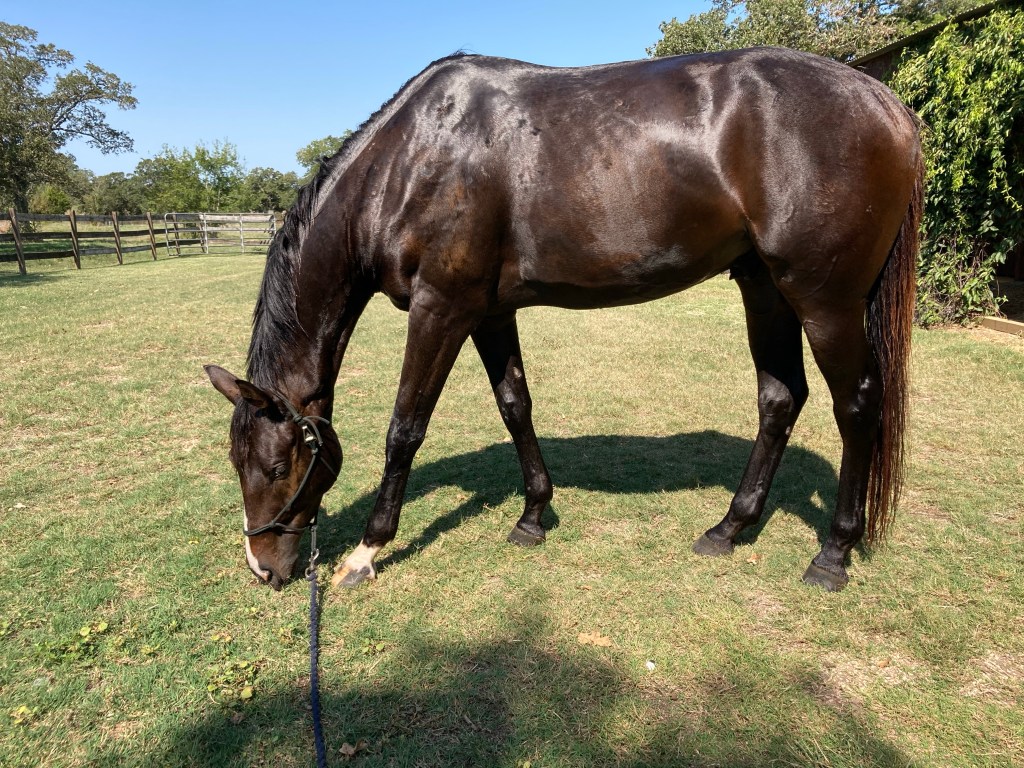
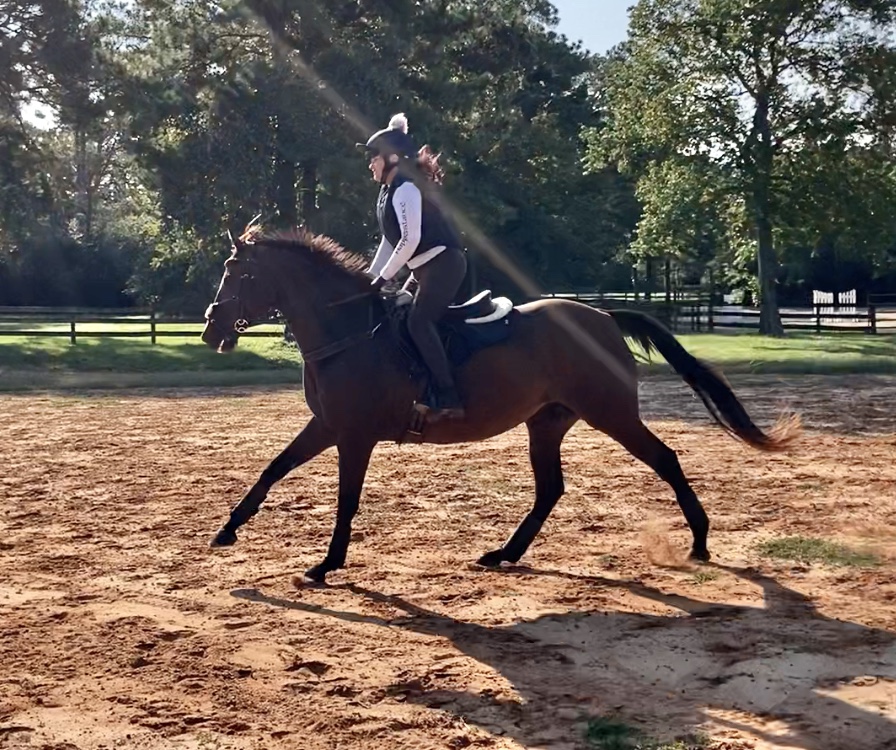
I’ve also never forgotten what he is, as a horse. An ideal eventing specimen, he is not. He’s built downhill, naturally travels a bit croup high, has crooked legs, a jumping style that really uses his whole body, a middling amount of scope, and his gallop is not exactly the most efficient thing in the world. He also has a respiratory condition that means his fitness needs to be maintained at a higher level than most horses at his same level would require. Those things all make his job harder. Yet despite them all, he’s managed to be a successful event horse – mostly because he loves the game and his heart is 110% in it (well, the cross country at least, he could do without the other two phases). But to find that success, he has to work extra hard to make up for his natural deficits, putting more wear and tear on his body than another more naturally suited, more talented, better-built horse might. None of these facts have ever escaped me, especially as we started to make the trek up the levels to Training and then Prelim.
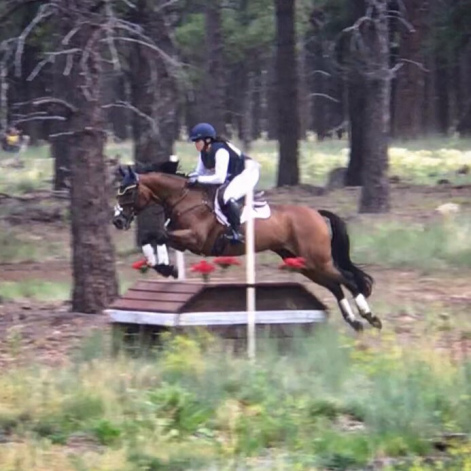
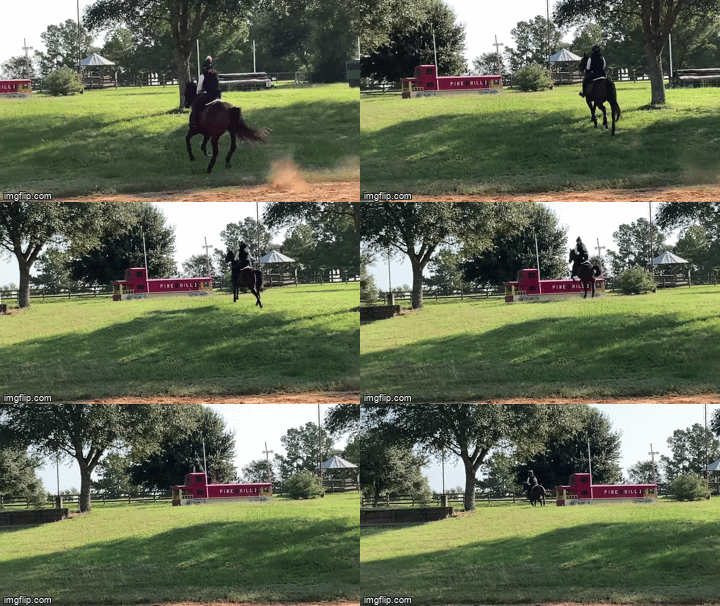
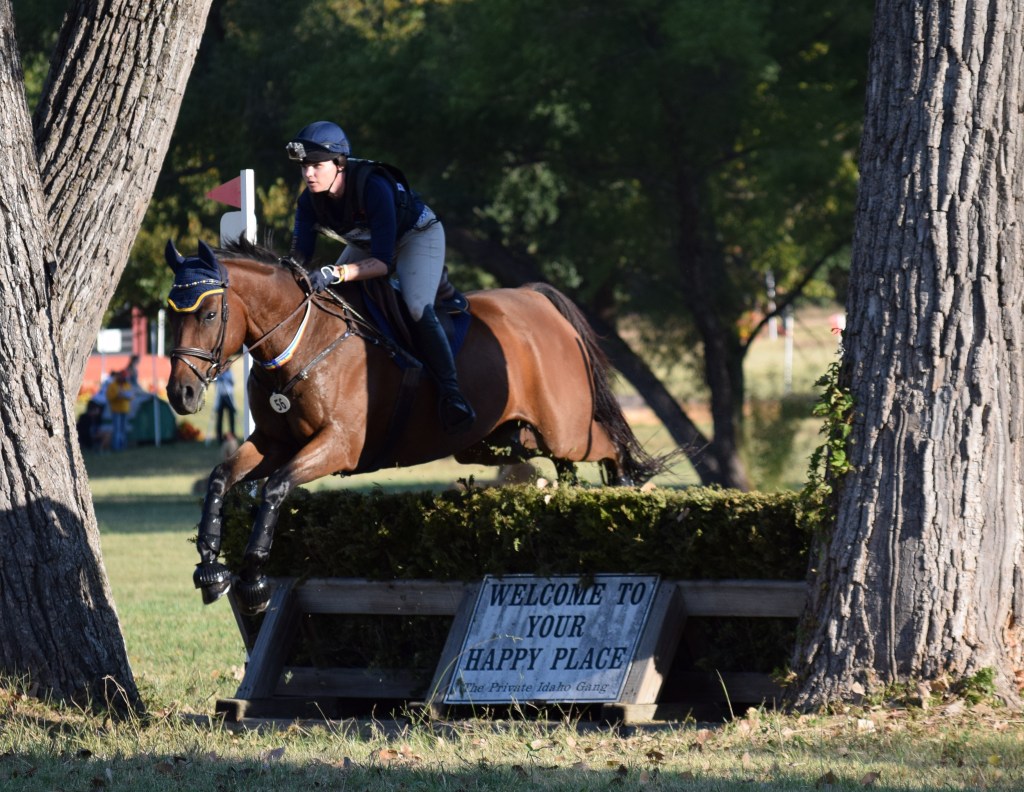
He’s got 4 successful Prelim XC runs under his girth now. No XC jumping penalties at any of his 4 starts at the level. It’s something that makes me immensely proud of him, and if you just looked at it on paper you’d probably be like “Rock on, this horse seems suited to the level”. But what I can’t ignore, as someone who sits on him every day and is responsible for his well-being and care, is how much competing at that level takes out of him. The conditioning work in particular that is required to keep him at Prelim – it’s a lot for his body. It’s too much.
I really came to terms with that fact starting last fall. Then covid hit, and all the pressures were taken away, and his conditioning schedule has stayed much more scaled back, and I couldn’t deny it. Physically he feels better. Cutting a chunk of that fitness work out of his weekly schedule suits him much better. He still needs to be conditioned and fit enough to be a healthy and sound riding horse, of course, but there’s a difference between more basic conditioning and the serious stuff. The writing has been on the wall for a while now – I don’t think I would have a sound horse for more than a couple more years if I tried to keep campaigning him at the upper levels.
It’s a reality that maybe should bother me, but it doesn’t. Not at all. The horse owes me nothing. He’s far exceeded anything he was ever meant to accomplish, and he’s already taught me so much and given me so much confidence, and he still has so much more left in him. He feels better now than he has maybe ever, and he hasn’t had any maintenance of any kind (no chiro, no acupuncture, no massage, no injections, no magnawave, no ulcer meds, etc etc) in a year or more. Trainer solidified my thoughts last Sunday, when, while we were warming up, she watched him trot and said “this might be the best I’ve ever seen him look” and the thought I’ve been having all year finally spilled out – “I don’t think he’s meant to be a Prelim horse”. We discussed it briefly, agreed that he can school bigger questions and lesson over bigger fences, but as a show horse he’s best at Training or below, at least if I want him to last. The difference between Training and Prelim is a big one, especially the fitness work and the speed, and it’s just not worth it to try to push it when it really toes the edge of his natural capability.
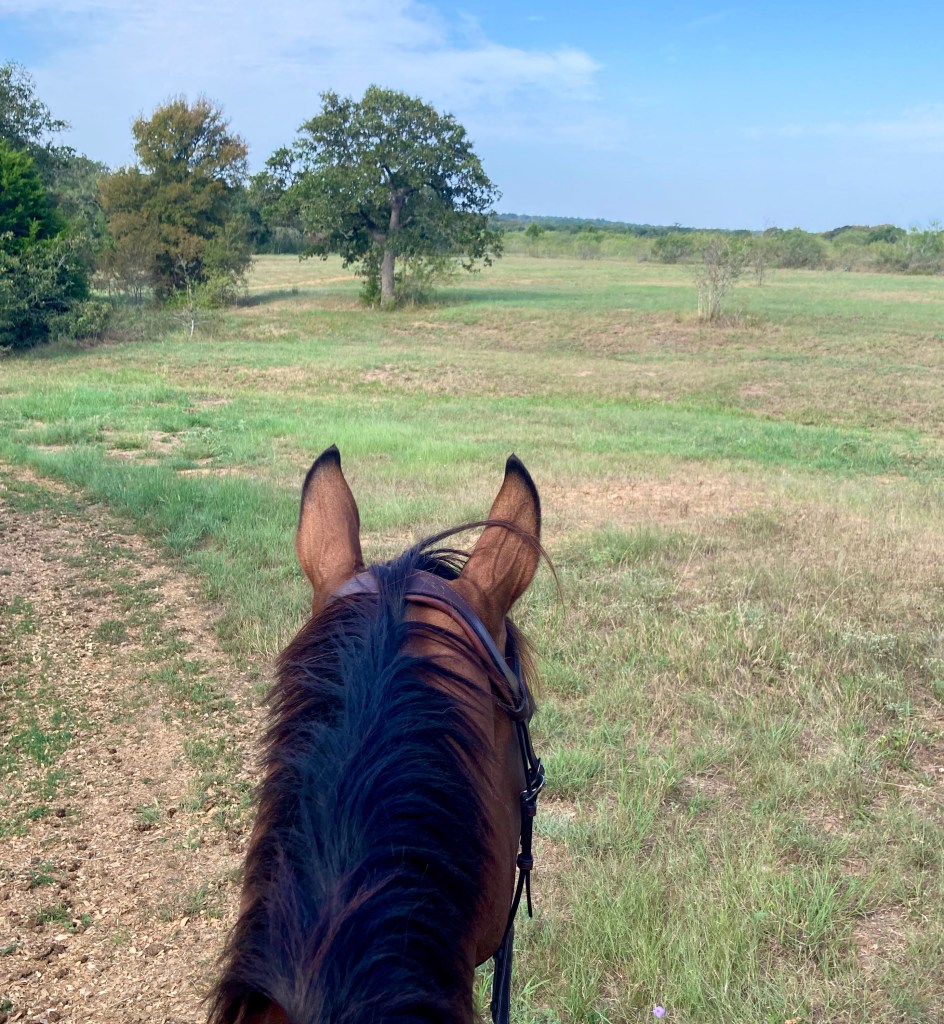
What it really comes down to is that I don’t want to have to be writing a post in a couple years about his retirement. I want Henry to be his happiest self, hopping around cross country at whatever level until he’s old and gray. And hey, maybe I’m wrong. Maybe he could have a long career at Prelim and I’m taking my foot off the gas pedal for no reason. I don’t think I’m wrong though. I feel it in my gut, and I can’t ignore it. I’d rather back off before there’s a problem, when he’s still feeling great and capable of doing so many other things for hopefully a long time. I owe him that much.
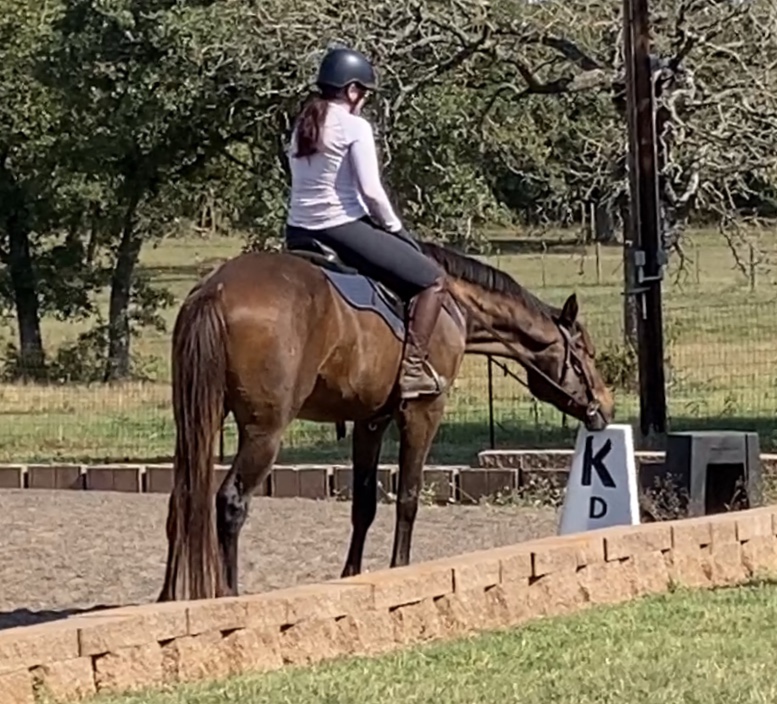
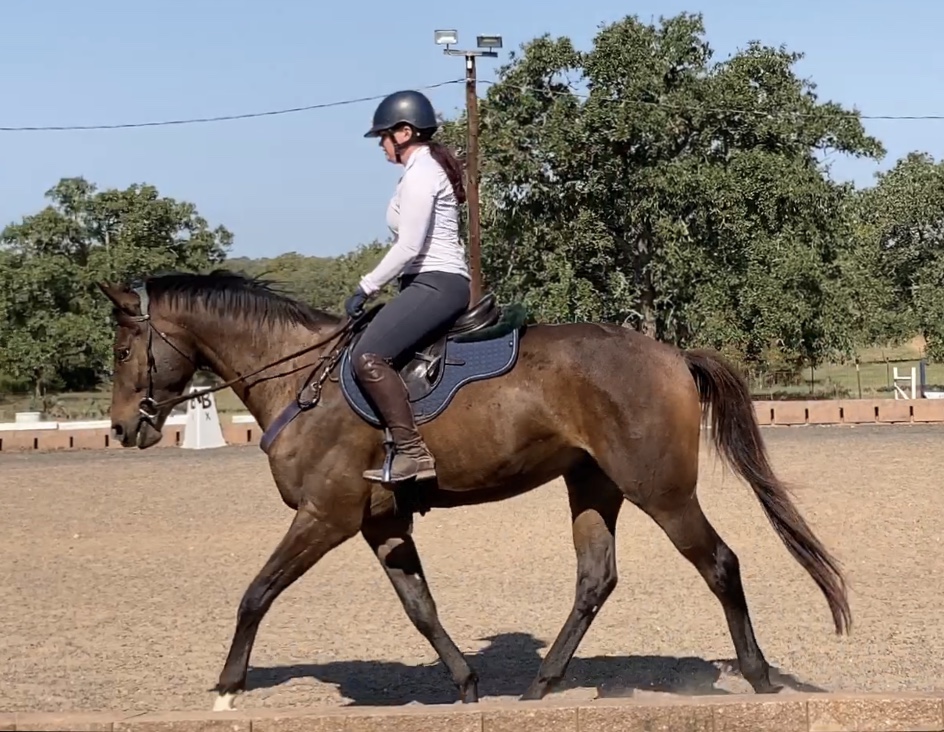
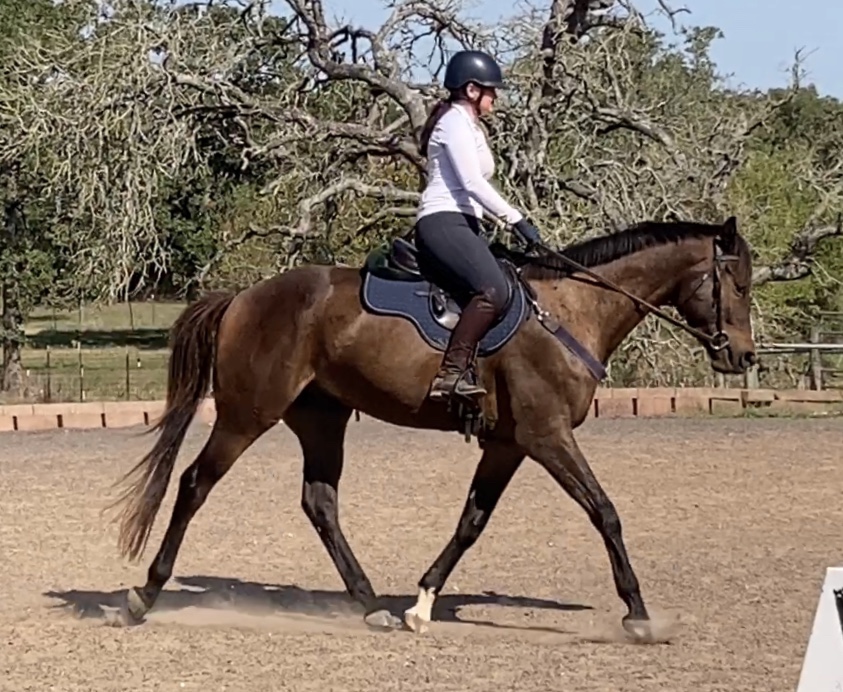
So while you won’t be seeing anymore P’s on Henry’s record, he’s far from finished. Scaled back, perhaps, but certainly not out of the game.





 breedrideevent.com