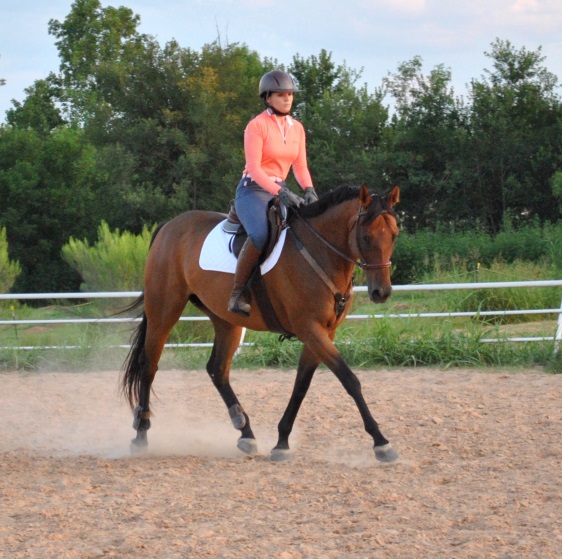
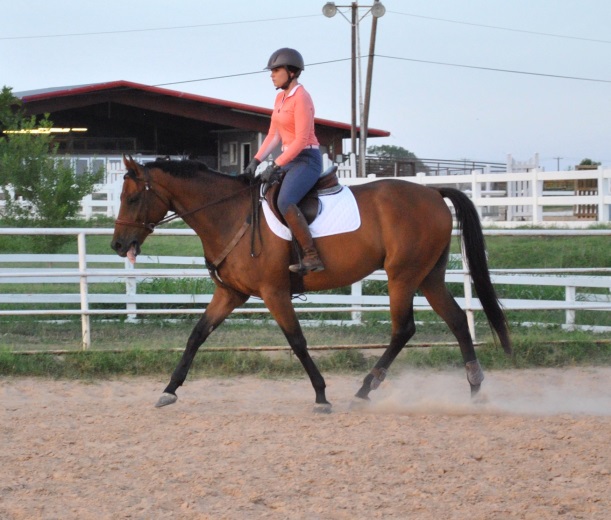
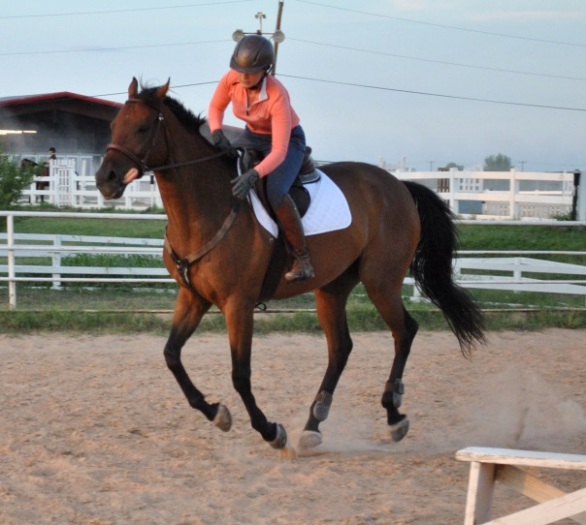
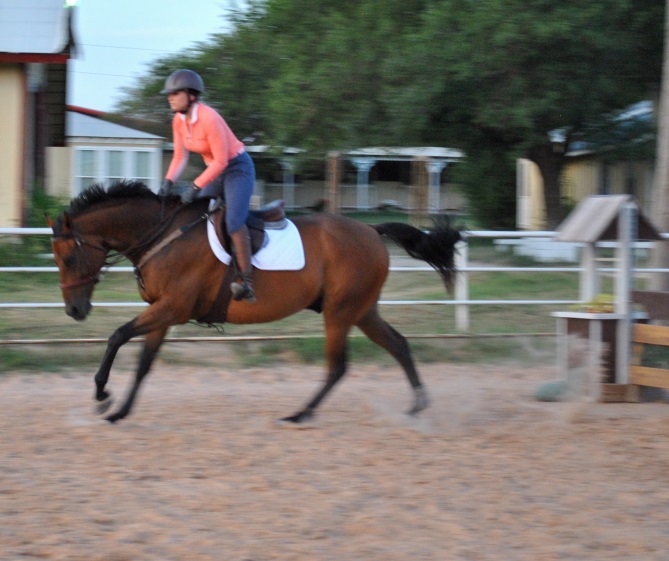
I should preface this post by saying that I’m really picky about breeches. The fit has to be perfect, the fabric has to be perfect, they have to wear well, they have to be comfortable, they have to be flattering, they have to wash well, they have to be attractive and they have to hold up to a lot of abuse.
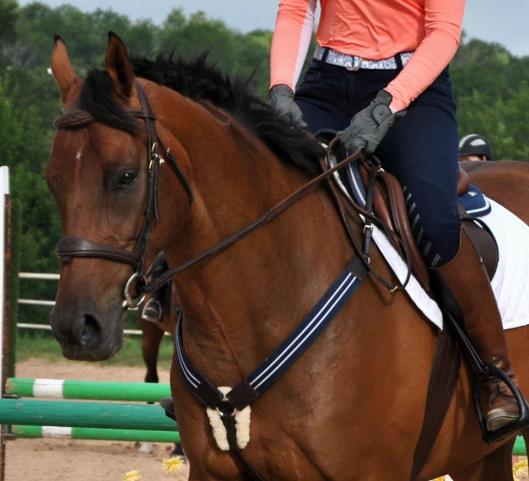
Over the years I’ve tried so many brands it’s ridiculous: SmartPak, TS, Pikeur, Ovation, Grand Prix, TuffRider, Equine Couture, Kerrits, Tredstep, Ariat, Tropical Rider, Animo, Riding Sport, Trainer’s Choice, Goode Rider, etc etc. Most never made it out of the dressing room. The vast majority of those that did were either taken back or resold.
The top three?
Animo, TS, Pikeur. I consider TS and Pikeur to be pretty interchangeable for me. I might like the Pikeur a little more but I like the price tag and colors of the TS better, so in my mind they equal out. However the Animo are head and shoulders (and torso) above the rest.

I know what you’re thinking… “$400 breeches are not happening”. Give me a minute to make my case.
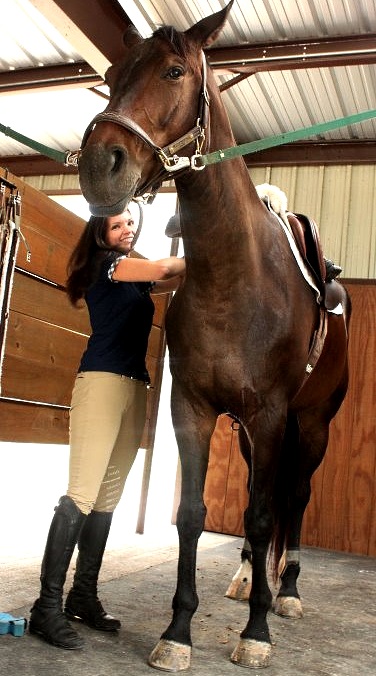
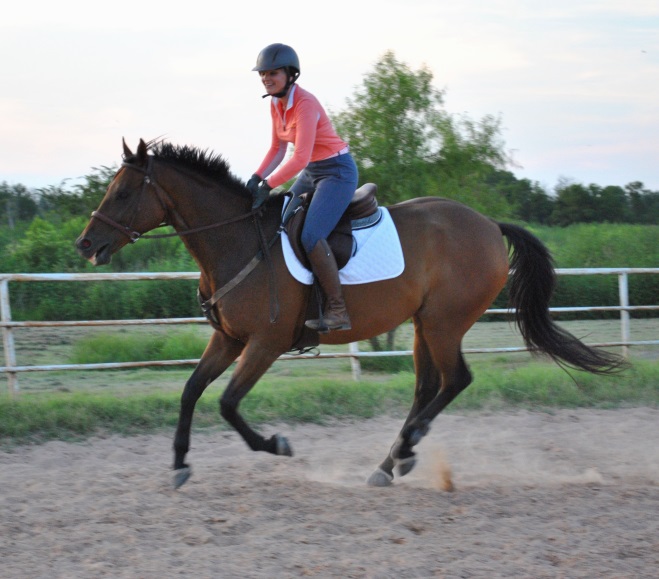
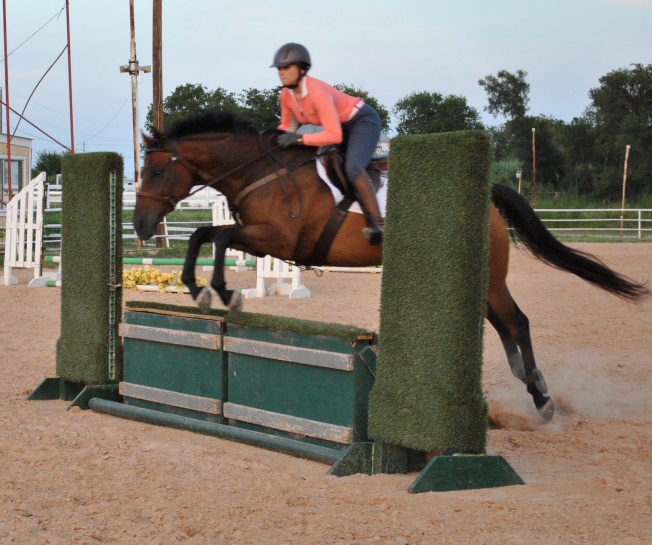
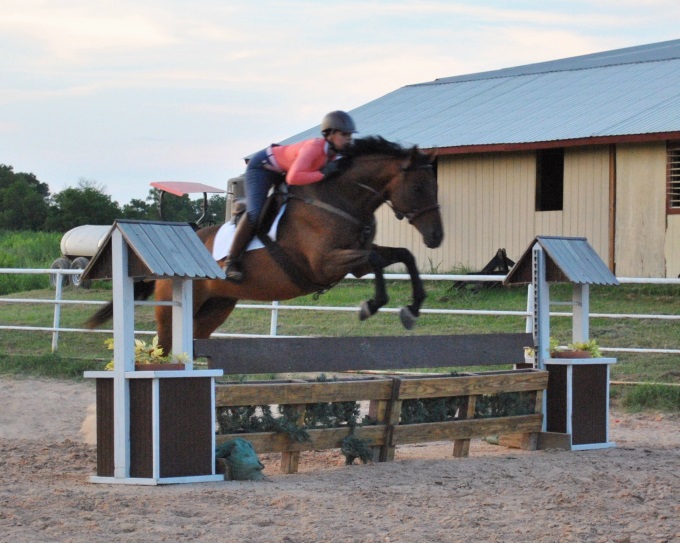
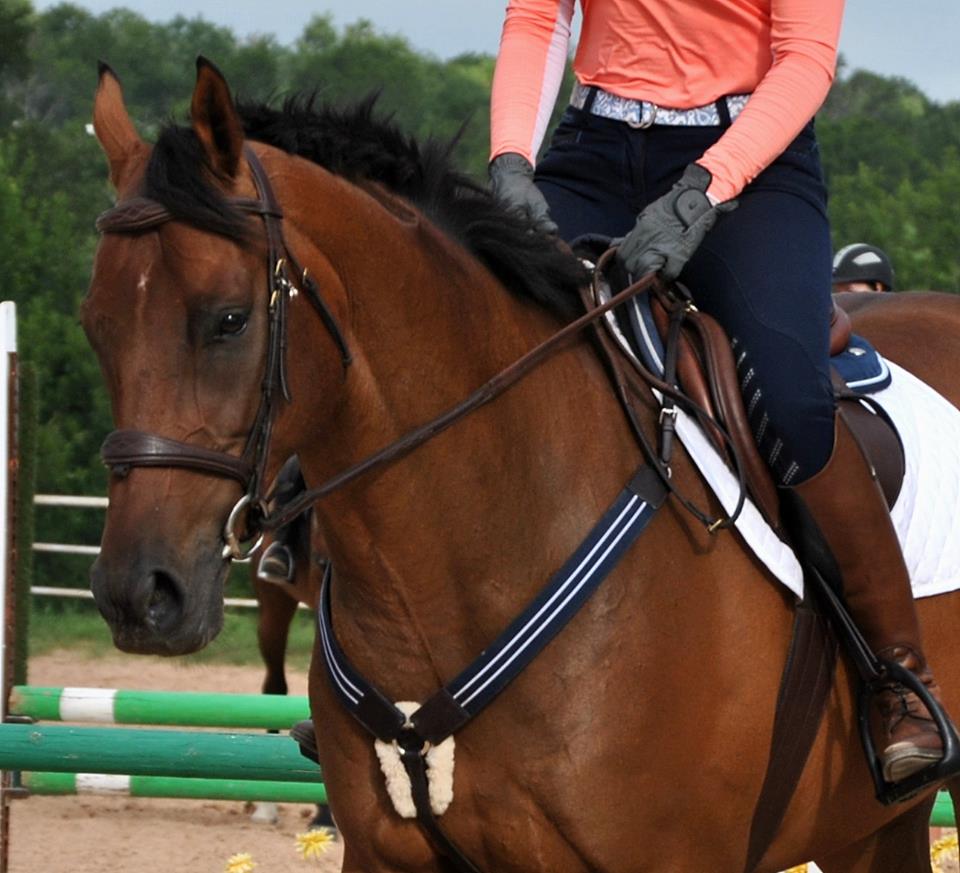
My oldest pair of Animo breeches are my navy ones, which are now almost 3 years old. First, I bought them on sale for around $250… still pricey, but let’s keep talking. They are BY FAR my most worn breeches – honestly I wear them probably twice as much as any of my TS. It’s fair to say they’ve seen a lot of action by now. I’ve shown in them, I’ve fallen in them, I’ve mucked stalls in them… you name it, they’ve done it. Literally the only wear they show is some pilling of the fabric behind the knee, which mostly occurred when I spent several months riding in too-tall boots that rubbed the back of my knee area.
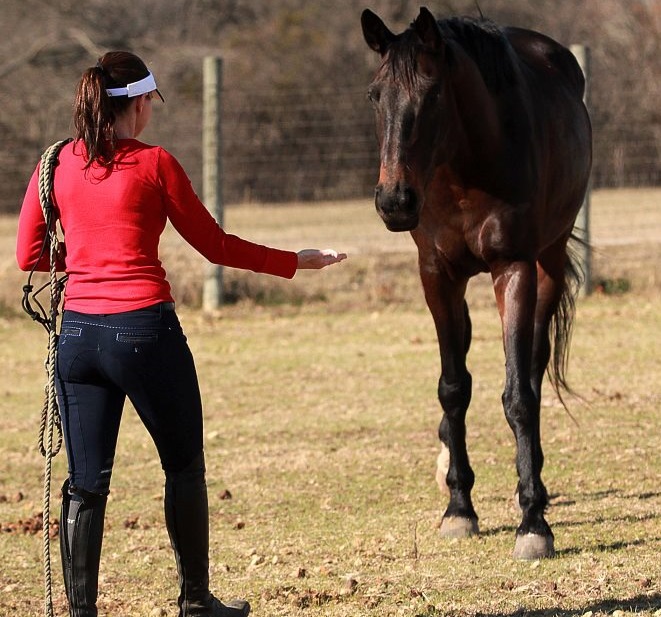
Other than that, they still look just as good as the day I bought them. The stitching is all still flawless, the buttons are firmly attached and the zipper has given me no problems. The fabric has not changed since day 1. No fading, no thinning. I also can wear them probably 3-4 times between washings (in the machine!) – stop saying ew and hear me out. The fabric does not hold moisture or any kind of scent. They don’t smell like a dead animal after a particularly sweaty day. I can also take a wet rag and just wipe the fabric down to get rid of any dirt that’s showing. Literally – I wet the rag that I also use to clean my horse’s bit and wipe off my thighs. It happens. And it works. The best thing though? They don’t show moisture. This is great if you’re like me and have a pretty raging case of swamp ass in the summer. Being able to go somewhere after the barn without looking like you peed yourself? Awesome.
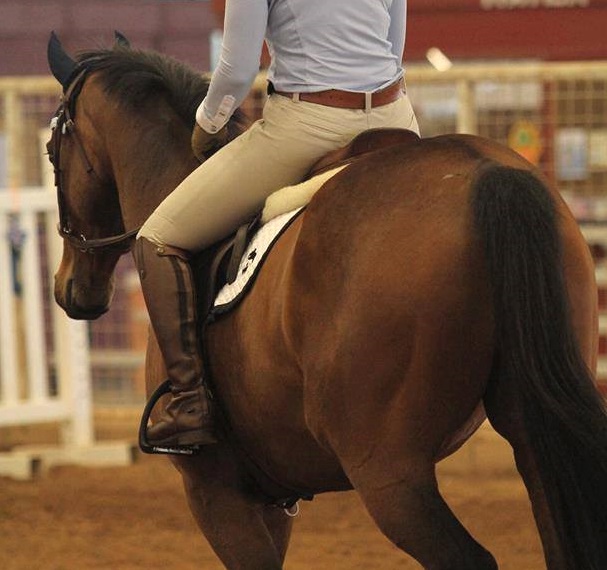
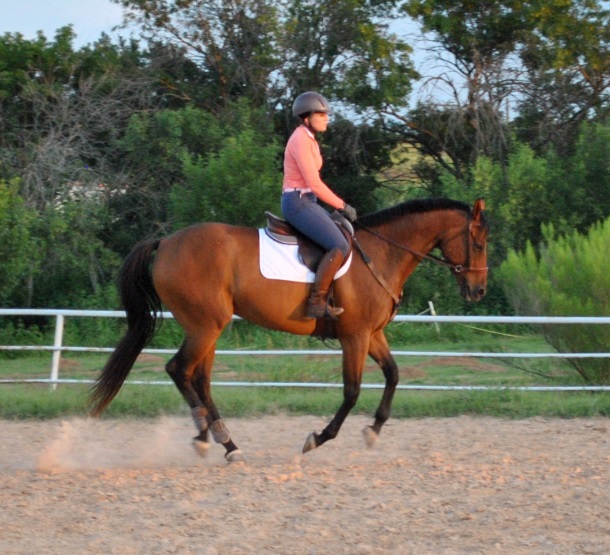
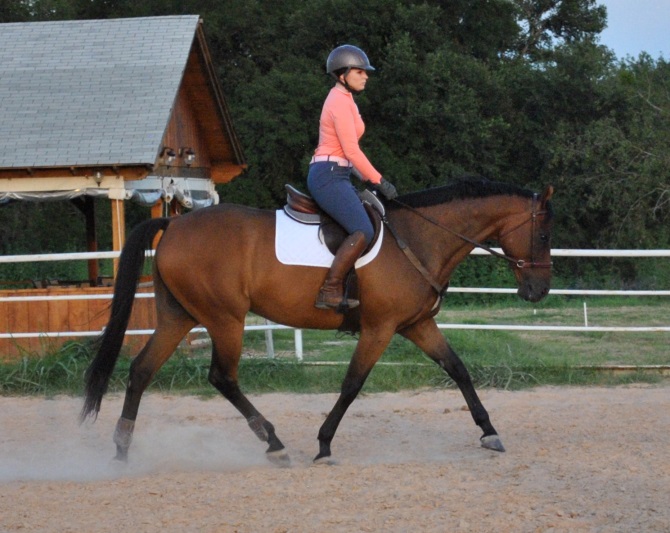
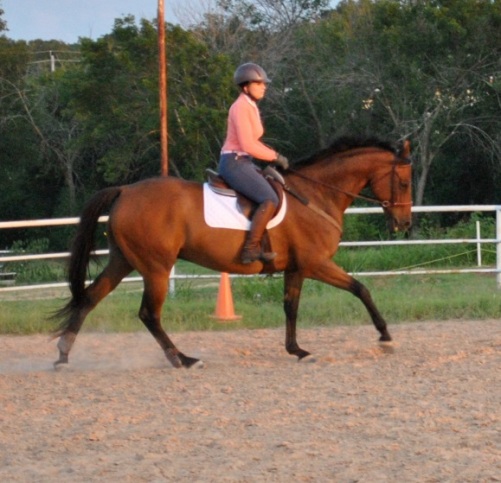
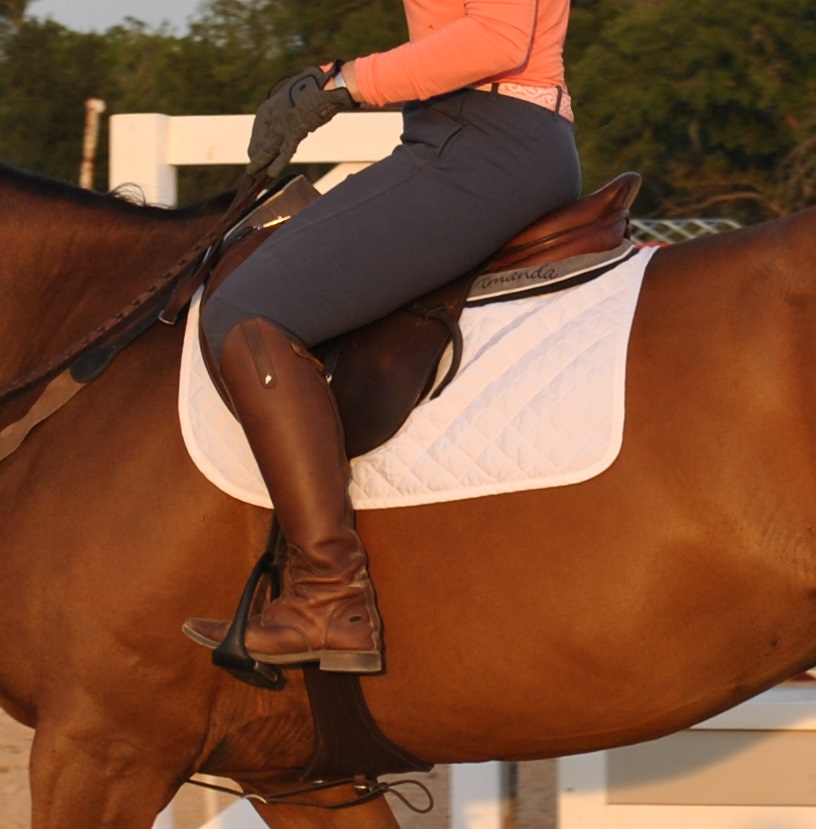
The fit is fantastic. They’re the most flattering breeches I own and also the most comfortable. The cut of the knee area is genius and I absolutely love the sock bottom. Far superior to velcro in every way. My favorite feature though is also the one I was originally the most skeptical about: the silicone knee patches. If you need grip, those things are unparalleled. I used to have a jumper that literally felt like being strapped to the back of a coked up deer sometimes. If I wasn’t wearing the Animos I would add a little sticky spray to prevent being launched into orbit, but I found that with the silicone patches I didn’t need it. I never felt “stuck” to the horse, but if a time came where I needed some extra grip, they provided it. They’ve helped me out on a couple of particularly naughty horses as well.
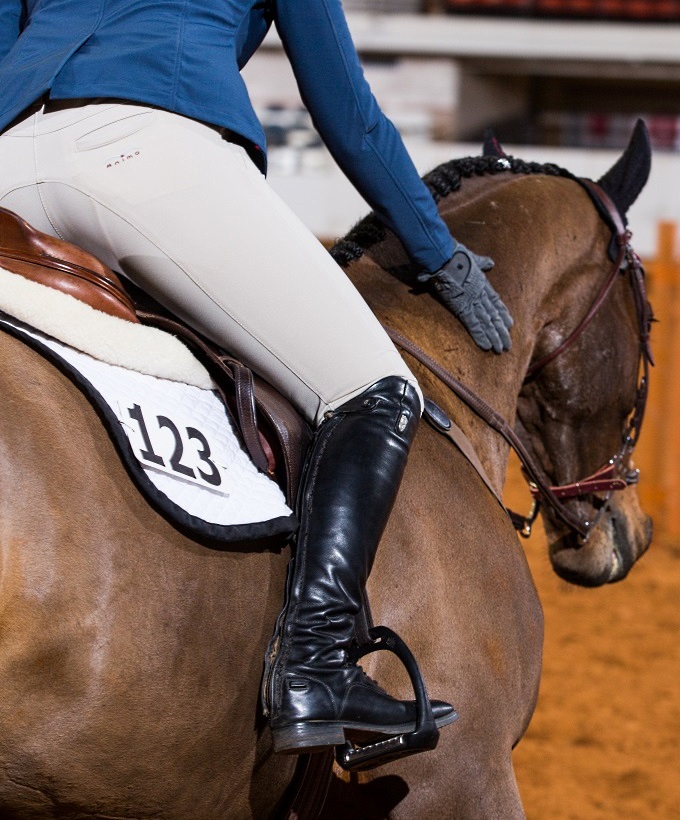
So what’s a gal (or dude) to do if (s)he wants Animo but doesn’t have the money to drop on retail price? My advice – shop sales and shop used. Pretty much every Animo vendor I know has regular sales or periodic end of season clearances. Mine have all been purchased for under $250. My tan ones that I use for showing were a whopping $111 during a Selwood Equine sale. No that’s not a typo. They can be very affordable if you know where to look and are patient.

For the sake of curiosity, let’s do some math. Let’s just say that you pay $300 (on the high side of sale price) for a pair of Animo. You then wear said breeches twice a week every week for, let’s say, 5 years (I feel like that’s being conservative on the life span). That’s 58cents per wear. My $110 Grand Prix breeches lasted a year and a half, at around 1 wear per week because I didn’t love them that much, before they sprung a hole. That’s $1.41 per wear. Which one is really the better deal? Quality costs money but a) it’s far more enjoyable on a daily basis b) it’s cheaper in the end.
I’ve discovered that Animo has so thoroughly spoiled me that I find a lot of breeches totally intolerable now, with my main complaint being the fabric. The only other brand I own is TS and that’s largely because the fit is so good for me and they’re comfortable. They still aren’t Animo but they work. Eventually I’d like to empty my closet of everything else and fill it only with Animo. That’s how obsessed I am. It will happen eventually, one sale at a time.