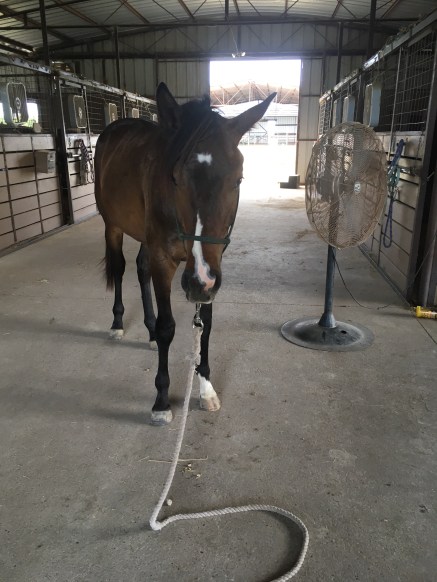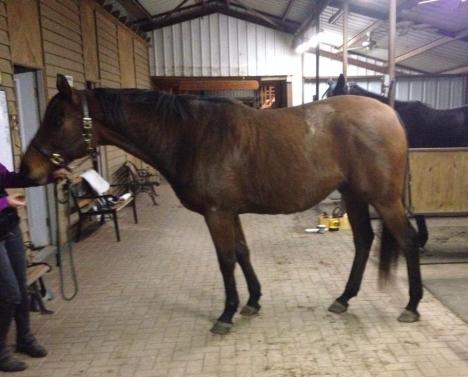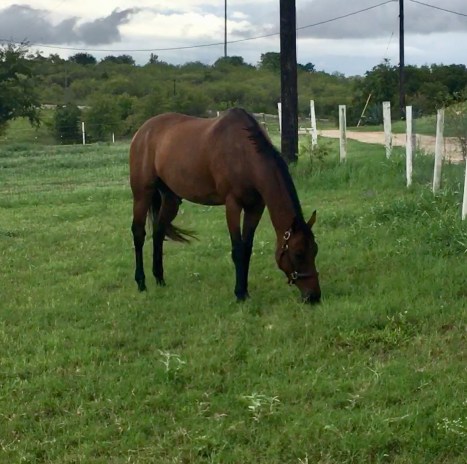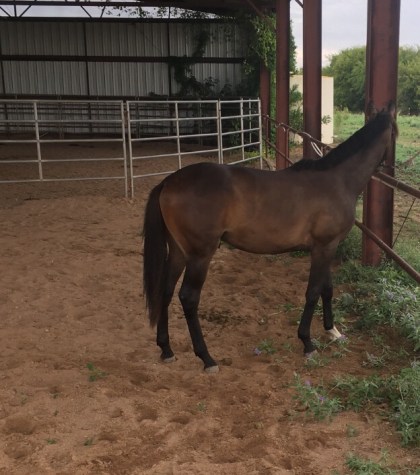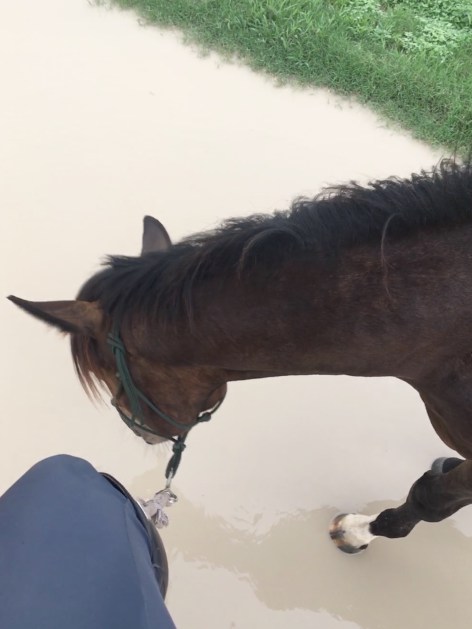
So, I’m not sure if y’all know this, but Henry is a delicate flower. Shocking, I know. If you so much as look at him wrong he’ll end up with a bald spot or a swollen bump. Summer (or should I qualify that as “Texas Summer”, which is like mid April to mid October) is an especially hard time of year for him. He has a harder time breathing in the heat and humidity, and various plants or things in the air seem to set him off fairly regularly. He never has any kind of extreme reactions, just a more mild persistence with the occasional extra flair. Skin funk, hair falling out, major itchiness, goopy eyes, some random bumps or raised skin, etc. I’ve always kind of been curious about what all could be bothering him, but none of his reactions have ever seemed severe enough to pursue the more invasive intradermal testing. When I saw Affordable Pet Testing, though… I was intrigued.

APT uses bioresonance testing on hair samples from your animal. They’ve been doing cats, dogs, and humans for a while but this year expanded to offer testing for horses as well. Basically you yank out a little chunk of hair, send it in, and they test it for intolerances to 63 different food items, 28 environmental items, 31 nutritional deficiencies, and 8 heavy metals. Full list here.
Notice that I said “intolerances” and not allergies. They’re pretty clear about this in all of their disclaimers, saying:
As a reminder, 5 Strands® Affordable Pet Testing only tests for non-IgE mediated reactions or “intolerances.” This type of reaction may have a delayed onset with symptoms appearing several hours or days after ingestion or exposure and lasting a longer period of time.
IgE (Immunoglobulin E) allergies, which are caused by the body’s immune system, are NOT measured by 5 Strands® Affordable Pet Testing. These reactions occur within minutes of ingestion or exposure and are diagnosed through a blood test or skin prick test by veterinarians.

I’m not totally sold on the validity of this kind of thing, but figured “why the heck not” and sent Henry’s sample in. They emailed me when they received it, and then I had the results back in my inbox 4 days later. All told it was about a week from when I put in the mailbox to when I had the results.
The first attached document was the “How to Interpret the Results” page. It explained the three different levels that show up on the various results pages:
Level 3 (Stop)
Level 3 intolerances are considered items that the body registered an imbalance to and may be very likely to cause noticeable symptoms. Reactions may show up as inflammation, digestive issues, skin problems, fatigue, etc. Level 3 items should be eliminated from the diet. Your main focus should be on level 3 items first.
Level 2 (Slow down)
Level 2 intolerances are items that the body has registered an imbalance to that may result in reactions such as itchy skin, runny nose, watery eyes, etc. Level 2 items should be avoided or reduced at least for a short period of time.
Level 1 (Be aware)
Level 1 intolerances are items that the body registered a low level imbalance. While there may be no noticeable symptoms, they may potentially cause issues with ingestion or exposure over time.
First up, the heavy metals test.
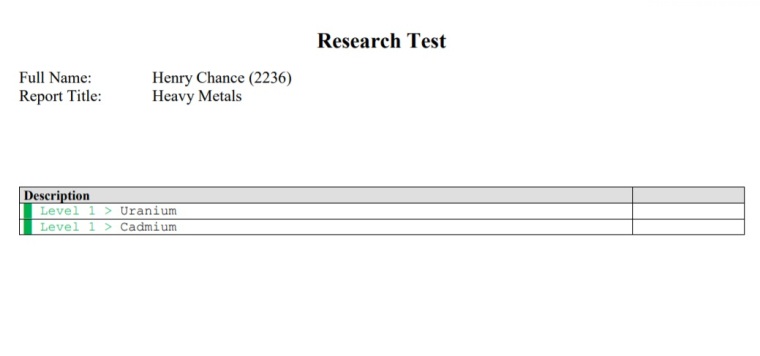
I’ll be honest, I’m not really sure what to make of this. Seems like everyone is intolerant of Uranium, right??? I kinda wish they explained this one in more detail, because I really don’t know what to do with this information.
After that was the deficiencies.

I’ve been pretty meticulous and intentional with Henry’s diet, although I can see his lysine being a bit low due to the type of forage we have here. The rest… I dunno. I’ll have to look at it more closely.
Next up was the food intolerances, which literally made me laugh out loud when I opened the document. Out of 63 food items, he had some level of intolerance to 22 of them. Honestly, that sounds about right. 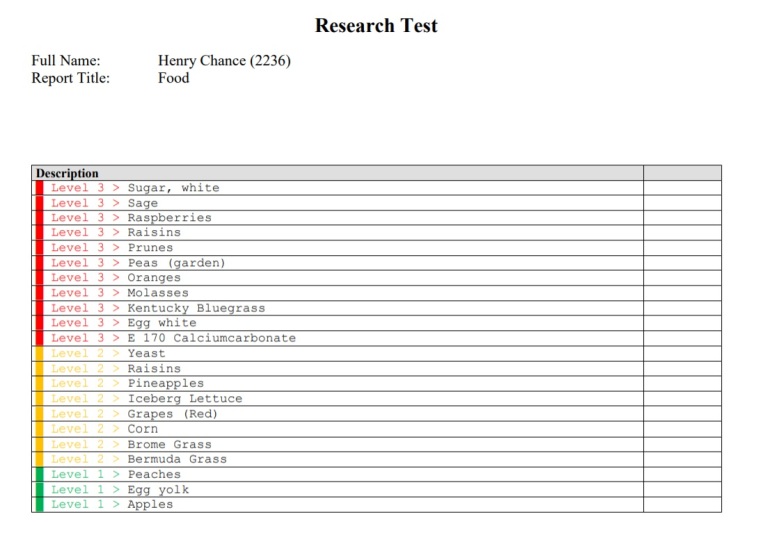
Granted, most of this is stuff he would never eat anyway… not really sure how they decided on some of these things on the test, they seem a bit random. Except, ya know… SUGAR… and MOLASSES… and CORN… and BERMUDA GRASS. He’s on a low-sugar, no-corn feed, but pretty much all we have in Texas is coastal bermuda hay. That’s what his pasture is, too. Not much I can do about that. He does get alfalfa as well, but clearly I’m not going to feed him only alfalfa. He hates apples, so that one isn’t an issue at least.
Last up was the environmental factors, which is the part I was most interested in. Out of 28 possibilities, he tested with an intolerance to 7 of them. Honestly I kind of expected more.
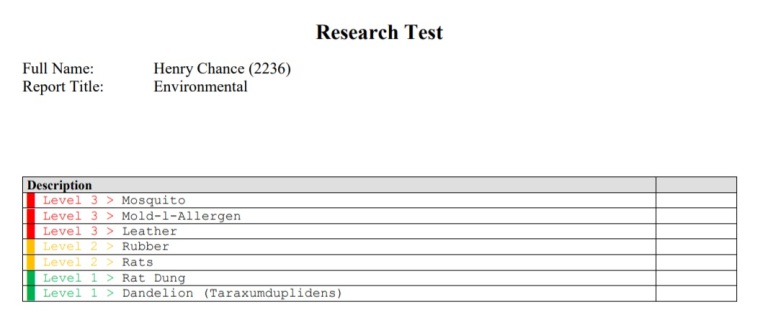
Mosquitoes and mold are easy to believe, I’ve seen those reactions in him before. But… leather? Rubber? Whaaaaa? Clearly the horse has leather on him daily, and I have to say I’ve never noticed any specific issues. Granted… I don’t know how I would necessarily tell, unless he had some kind of extreme reaction, which intolerances don’t generally create.
The test results are definitely interesting, although I’m still kind of left wondering what to do with this information. How valid is it? How much of an impact would any of it have on him? How would I really change any of this? I don’t know. I’m still thinking about it and talking to my vet about it. If I lived in an area where I had easy access to another type of hay, I’d be tempted to change him over for a couple months and see if I noticed any change. That’s pretty much impossible though, so… again… not totally sure what to do with all of this. I can’t really put the horse in a mold, bermuda, and mosquito free environment… welcome to Texas!
But, while I’m sitting over here stewing over Henry’s results, Affordable Pet Testing has been kind enough to offer a free test to one of my readers – a $189 value! To enter here, leave a comment on this post (be sure that you leave a link or an email so I have some way to contact you if you win). I’ll also be running the giveaway on Instagram, so check out my post there for more ways to enter! Winner will be chosen on 9/24.